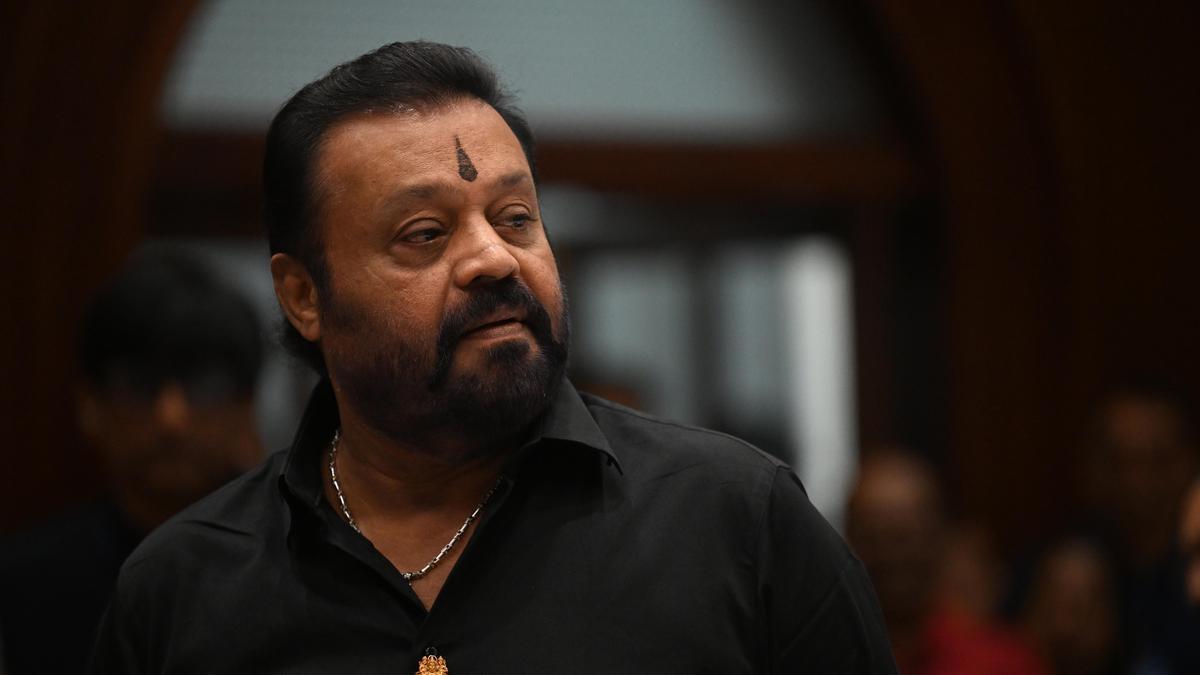
Keralam power crisis: Suresh Gopi says previous governments too responsible, asks public to ‘wait’ before judging UDF
He rejects allegations of a deal between UDF government and BJP
In 2014, the Oommen Chandy Cabinet in Kerala approved the recommendations of the Gita N. Potty committee, which included setting up a dedicated veterinary public health wing to tackle zoonotic diseases. However, over a decade later, this proposal has yet to materialize. The wing was intended to include a food safety unit and animal management and welfare units, responsible for animal tranquilisation, ABC (animal birth control) squads, welfare work and the control of zoonotic diseases.
The committee's report was approved two years later, in 2016. However, sources within the department indicate that repeated outbreaks of zoonotic diseases in Kerala have strained the capabilities of the existing veterinary staff. Notable outbreaks include Nipah infections since 2018, with case-fatality rates reaching 89-91%, and Highly Pathogenic Avian Influenza outbreaks in Kuttanad and the backwater belt, which have led to the culling of hundreds of thousands of birds over the years.
Additionally, Kerala has faced outbreaks of African/classical swine fever, Anthrax, and Kyasanur Forest Disease. Stray dog attacks and rabies cases have also been on the rise, with the number of stray dog bite cases increasing from 1.35 lakh in 2017 to 3.69 lakh in 2025, and confirmed rabies deaths rising from eight to 33 in the same period. Child fatalities due to rabies have also continued to be reported despite post-exposure vaccination.
T. Kuriakose Mathew, State general secretary of the Kerala Government Veterinary Officers Association, emphasizes the importance of establishing the veterinary public health wing to address these issues effectively. He believes it will ensure timely and quality services in veterinary hospitals and facilitate educational programs to raise awareness among farmers.
A senior veterinary official from Kozhikode agrees, noting that the department is already responsible for various disease control measures, including ABC programmes, vaccination drives, and rabies-free initiatives, but lacks a dedicated, adequately staffed structure to carry out these responsibilities.
Written by urgent.news from The Hindu's reporting — not their text. Machine-written — may contain errors; check the original before relying on it.
This story
This is one outlet's version. Read the fullest account.