Is China’s fabled Empress Dowager Huayang buried near an airport? A study says yes
An airport is an unlikely place to search for national origins but researchers say they have uncovered the tomb of the woman behind the man who unified China – next to a major city runway. The researchers said the tomb was believed to belong to Empress Dowager Huayang, the adoptive grandmother of Qin Shi Huang, who unified the warring states more than 2,200 years ago. “I believe the most likely…
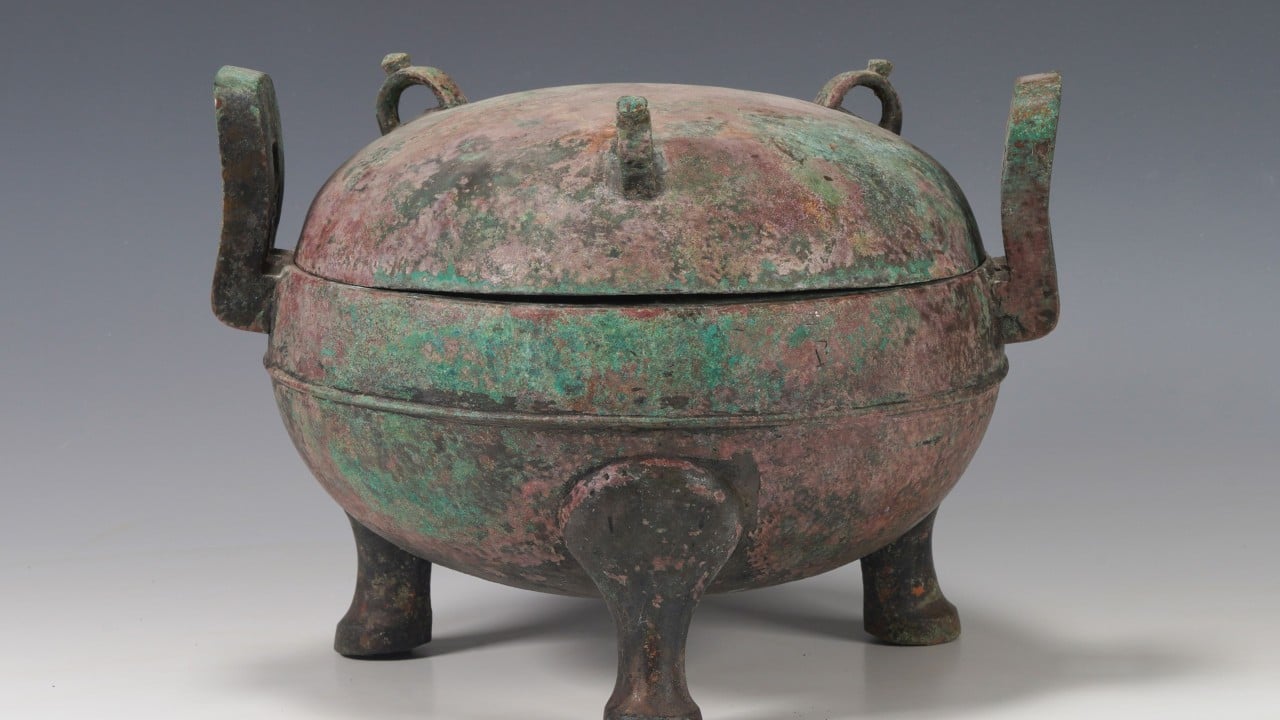
Researchers claim to have discovered the tomb of Empress Dowager Huayang, the adoptive grandmother of Qin Shi Huang, China's first emperor, near Xian Xianyang International Airport. Zhao Hanqing from the Shaanxi Provincial Institute of Archaeology stated in a July paper published in the journal Archaeology and Cultural Relics that the tomb is most likely that of Empress Dowager Huayang.
Empress Dowager Huayang played a crucial role in Qin Shi Huang's rise to power when she adopted his father, Ying Yiren, a prince from a rival state, after her husband, the King of Qin, died shortly after ascending to the throne. This led to Ying Yiren becoming King Xiaowen, followed by Qin Shi Huang, his son. The tomb, found within an area slated for airport expansion, yielded numerous artifacts such as pottery, bronze, iron, jade, agate, and glass items, despite severe looting.
Radiocarbon dating of bones from the tomb indicated a time range of 389-208 BC, approximately 2,250 years ago. Archaeological surveys conducted between 2018 and 2022 revealed a large tomb and an adjoining cemetery. Initially believed to belong to an emperor from the Northern Zhou era (557-581 AD), archaeologists concluded that the tomb was a royal tomb from the Qin state.
Although Empress Dowager Huayang was traditionally buried with her late husband, historical records suggest that the burial system of the Qin state during the Warring States Period allowed for separate burial of kings and queens, potentially indicating the king and queen were interred in two distinct yet nearby cemeteries.
Written by urgent.news from South China Morning Post's reporting — not their text. Machine-written — may contain errors; check the original before relying on it.
This story
This is one outlet's version. Read the fullest account.