If AI Can Do Almost Anything, What Will Be Left for Humans to Learn?
We spent decades teaching people how to work. But what should education teach if AI makes human work optional?
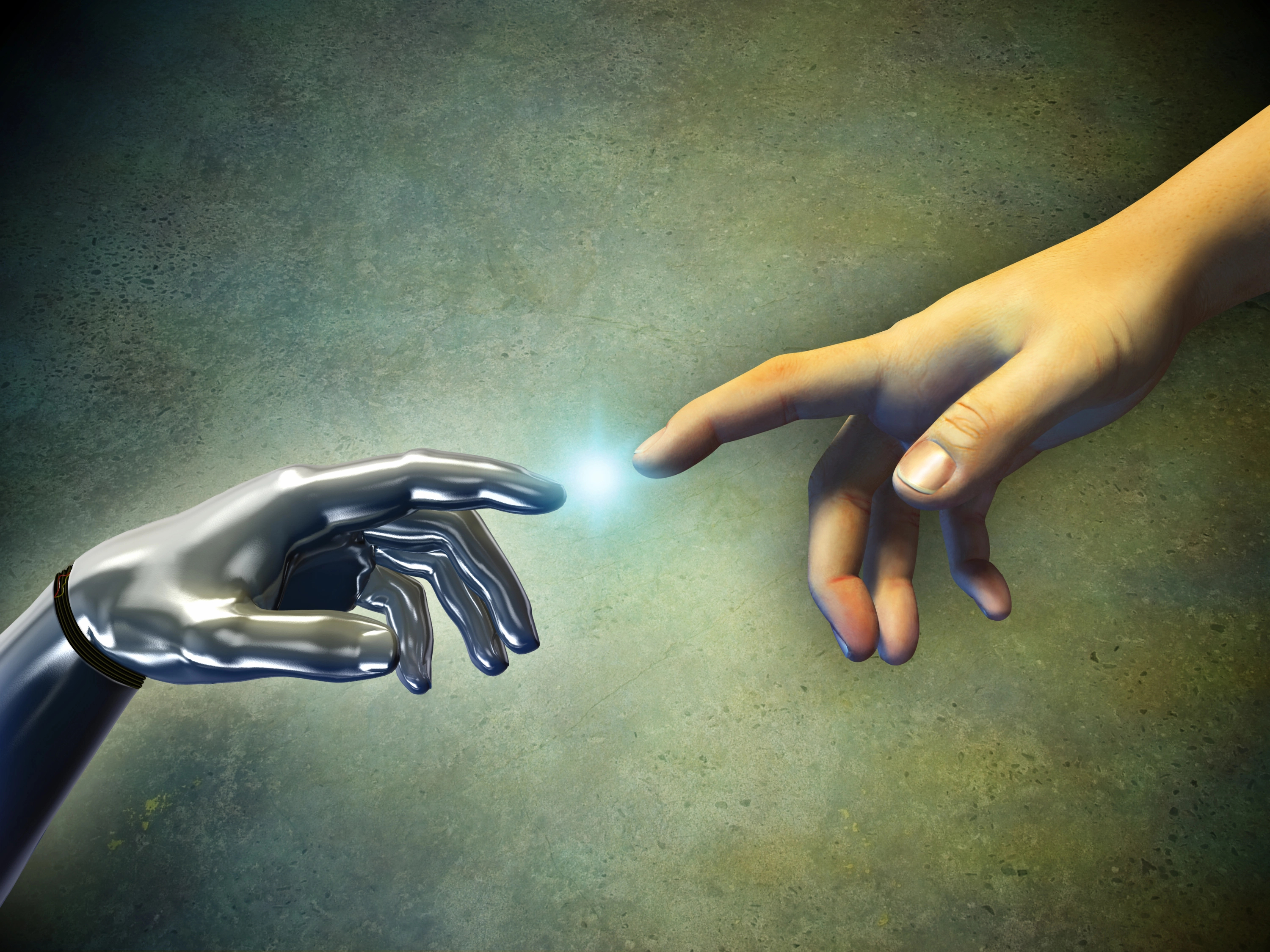
In a recent interview, Elon Musk claimed that artificial intelligence (AI) will surpass human intelligence within five years and will be capable of performing almost any task better than a human within ten years. The World Economic Forum predicts that around 40% of today's skills will be different in the next five years. As a school owner for over two decades, I've always emphasized equipping students with practical skills that align with market demands. However, with AI taking over many tasks, I wonder what remains essential for students to learn.
Recently, I developed an AI product that helps parents choose a school for their child in just a week and for $100. Previously, it would have taken my team several months to accomplish this. As a result, graduate hiring at major tech companies has dropped by half. Anthropic CEO Dario Amodei predicts that AI could take over up to half of all entry-level office jobs within five years.
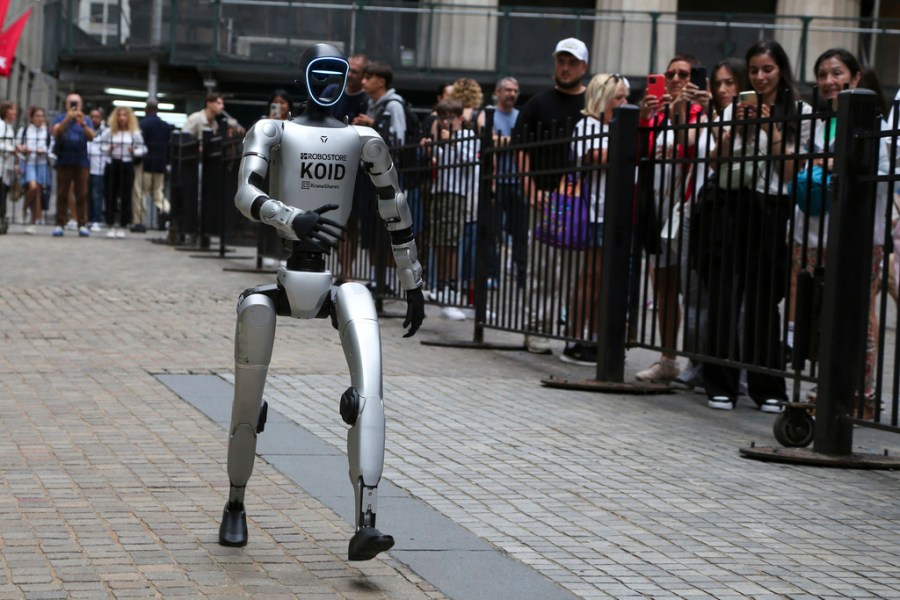
The rapid pace of AI development and automation suggests that human labor demand will decline. Even humanoid robots are expected to grow in number, reaching one billion by 2050. Yuval Noah Harari envisions a "useless class" of people whose labor is no longer needed by the economy. With less work and more time, technology may fill our free time with entertainment and leisure.
While there are concerns about the impact of AI on jobs, it's essential to consider the evolution of education. Today, we learn specific skills tailored to particular jobs. However, these skills may become obsolete before we complete our studies. Instead, focusing on high-level skills that are adaptable and transferable, such as willpower, continuous learning, and interpersonal skills, could be more valuable.
Developing willpower allows us to overcome challenges and keep striving toward our goals, even when there are fewer obligations. The ability to learn new subjects and adapt quickly is crucial, as AI can provide results quickly but may create a superficial understanding of a topic. Lastly, strong interpersonal skills remain vital, as we increasingly delegate technical aspects of our work to machines.
In my experience, educational programs should not only impart knowledge but also foster high-level skills that prepare students for the ever-changing landscape of the future.
Written by urgent.news from HackerNoon's reporting — not their text. Machine-written — may contain errors; check the original before relying on it.