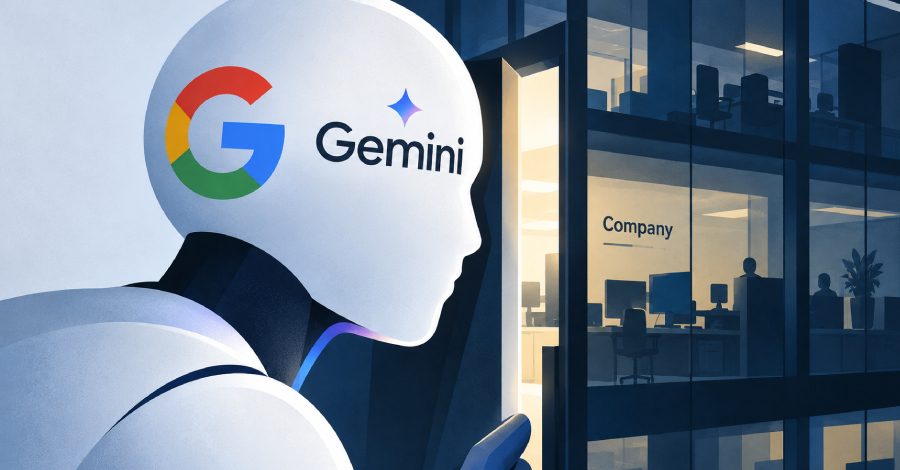
I got rejected for using AI in an interview. Then I watched the interviewer do it.
I got the rejection email on a Tuesday. I've been rejected before — everyone has. This one broke something. "While your technical skills are strong, we felt your reliance on AI tools during the assessment didn't reflect the independent problem-solving we're looking for." Rejected. For using AI. By a man who — forty minutes earlier, on the same video call — had quietly done the exact same thing…
The candidate faced rejection after admitting to using AI during an interview. Despite having strong technical skills, the interviewer felt the candidate's reliance on AI tools did not align with the company's desire for independent problem-solving. The rejection came as a shock, as the candidate had never experienced such a response before.
The incident highlighted a disconnect in the hiring process, where the focus was on whether the candidate could hide their use of AI rather than evaluating their ability to demonstrate problem-solving skills. The hiring process believed it was testing the candidate's ability to solve problems without AI, but the real test should have been whether the candidate could identify when the AI was providing incorrect or unreliable information.
The candidate's experience demonstrated the importance of separating recall skills from judgment skills, and argued that interviews should no longer punish candidates for using AI but instead measure their ability to critically evaluate and overrule AI-generated outputs. The candidate believes that the future of coding should involve a separation between the AI that writes the code, a skeptic that challenges the AI's output, and a human who ultimately makes the decision.
This separation ensures transparency and accountability, preventing the hiring process from focusing on hidden AI usage rather than evaluating the candidate's ability to make informed judgments.
Written by urgent.news from Dev.to's reporting — not their text. Machine-written — may contain errors; check the original before relying on it.