Hung Parliament threatens Mindanao's autonomy progress
Twelve years after the 2014 Comprehensive Agreement on the Bangsamoro (CAB) between the Philippine government and the Moro Islamic Liberation Front (MILF) —which was facilitated by Malaysia —the Bangsamoro Autonomous Region in Muslim Mindanao (BARMM) held its first parliamentary election on Sept 14.
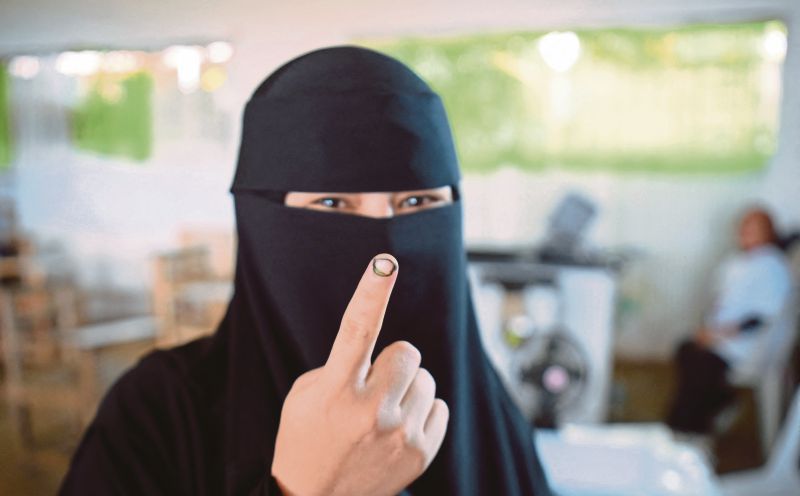
Twelve years after the 2014 Comprehensive Agreement on the Bangsamoro (CAB), the Bangsamoro Autonomous Region in Muslim Mindanao (BARMM) held its first parliamentary election on September 14. The election, delayed four times since 2022, was peaceful with over 80 percent voter turnout. However, it resulted in a hung Parliament, with the two main parties securing 31 and 30 seats.
Either the Bangsamoro Federalist Party or the United Bangsamoro Justice Party, backed by Manila and the MILF respectively, will need to form a coalition with minor parties to govern BARMM by the end of the month. The delayed election highlights the slow progress in achieving normalcy following decades of political and clan strife.
The past twelve years may have been largely wasted, with the decommissioning of MILF combatants incomplete and a lack of economic incentives for insurgents to return peacefully to civilian life. The election's fractured results raise doubts about its ability to tackle BARMM's challenges. The CAB and its Organic Law intended a parliamentary system modeled after Malaysia's, to produce more effective and accountable governments.
But in BARMM, this may only work if a majority of elected leaders can set aside sectoral and political divisions to address the region's issues. Priorities include disarming armed groups and boosting the regional economy. The fledgling Parliament's success will determine if regional political autonomy is more than a slogan.
Written by urgent.news from New Straits Times's reporting — not their text. Machine-written — may contain errors; check the original before relying on it.