How ADHD symptoms change from childhood through adulthood
Researchers are learning more about the ways symptoms can emerge, disappear and evolve.
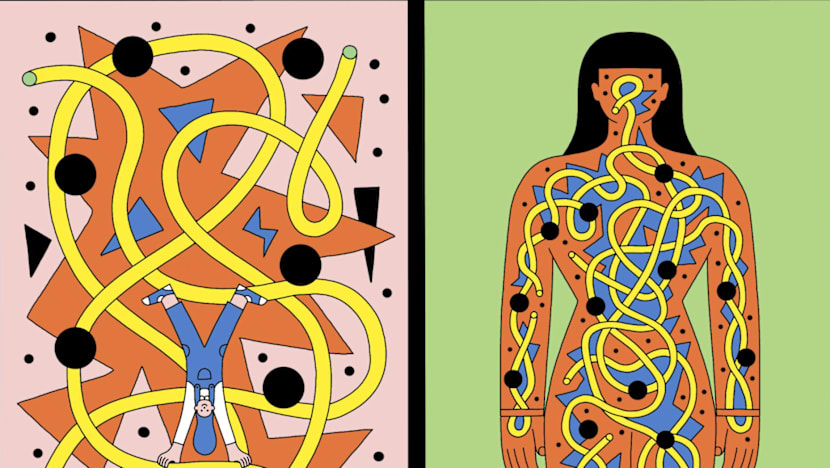
ADHD, or attention-deficit/hyperactivity disorder, is a complex condition that can manifest differently across various stages of life. Elizabeth, a 37-year-old mother of two, has experienced this firsthand. She and her husband, both diagnosed with ADHD, have employed various strategies to manage the condition, including medications and organization systems.
Elizabeth herself was diagnosed two years ago after recognizing her own symptoms in her sons and her husband. The condition can be challenging to diagnose and track throughout one's life due to its wide range of symptoms and overlap with other disorders. While about 50% of children with ADHD may continue to experience symptoms as adults, this figure can range from 10% to 90%, depending on the severity and presence of other conditions.
In children, hyperactive-impulsive symptoms often appear first, but by adolescence, inattentive symptoms become more prevalent. Adults with ADHD may present an inner restlessness and have trouble with life logistics and completing tasks without deadlines. Environmental factors, like family stressors, can also impact symptom severity. The condition's evolution over time highlights the need for ongoing management and support.
Written by urgent.news from Channel News Asia's reporting — not their text. Machine-written — may contain errors; check the original before relying on it.