Fossil fuel emissions set to fall in after oil shock
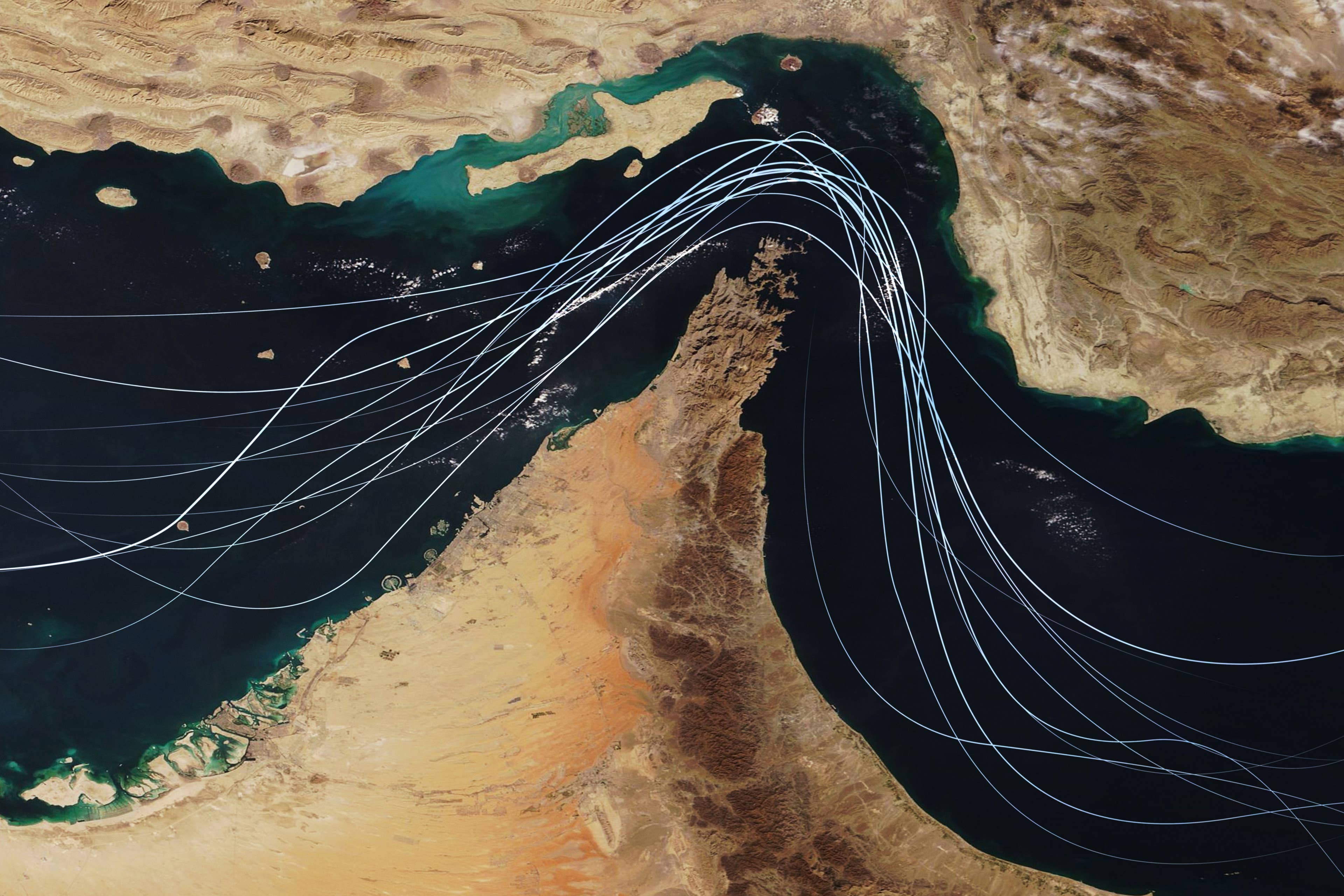
Oil consumption is expected to decrease by 2.5 million barrels per day in 2026, marking the first annual decline since 2020, according to the International Energy Agency (IEA). This drop is attributed to expensive fuel prices, which led to reduced demand for oil and gas. The Iran Strait of Hormuz, a critical shipping route, became blockaded in late February, causing a significant dip in global oil prices.
Brent crude settled at $104.82 a barrel, while diesel in California averaged $8.3496. This situation forced airlines to alter schedules, petrochemical plants to idle, and car buyers to seek alternative transportation. Global coal demand is projected to rise by 1.2% in 2026, reversing a slight decline, as power systems reverted to coal due to expensive gas prices.
The record high emissions from fossil fuels, at 38.1 billion tonnes in 2025, are the highest since the 2009 pandemic year. Energy equities have been focusing on the supply shock, ignoring the demand decline. The sector's valuation is based on barrel counts that the IEA no longer forecasts upward. The global carbon budget for 2027 will reveal whether the 0.5% emissions reduction is a temporary blip or a lasting change.
Written by urgent.news from Yahoo Finance's reporting — not their text. Machine-written — may contain errors; check the original before relying on it.