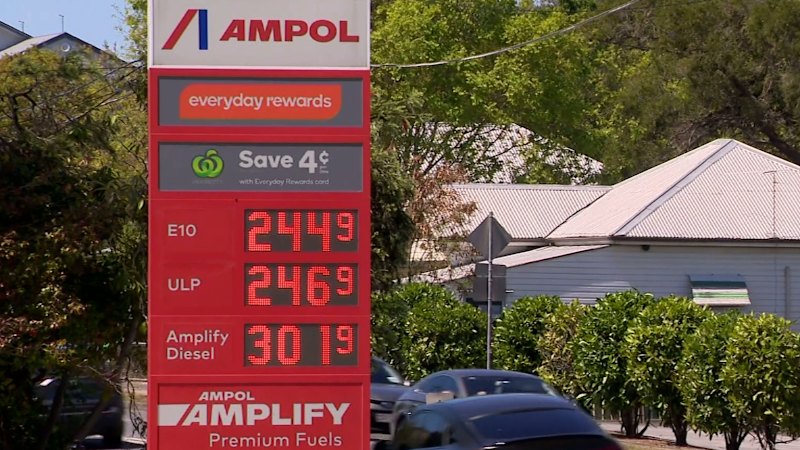
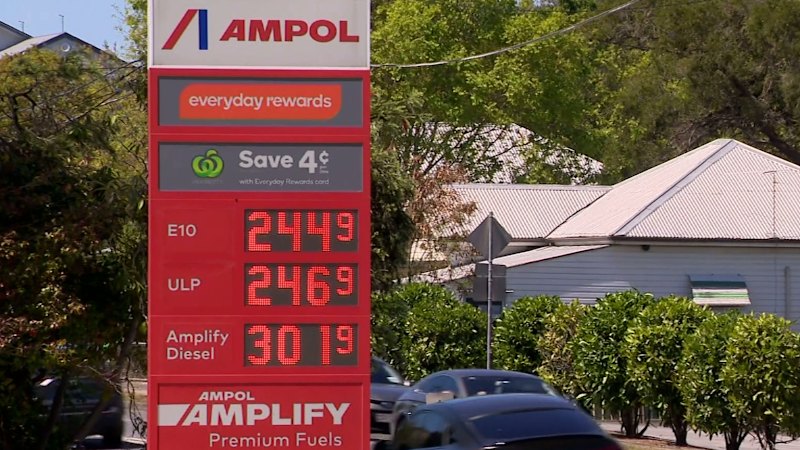
Diesel's record US surge drives more uncertainty for heavy-duty fuel
The price of diesel in the US surged to a record high this week of $6.31 per gallon. Diesel is still relatively cheap in the US compared with most other nations. But the rise will still affect a significant portion of the economy as it fuels logistics, operations and transport. The continued rise of the fuel's price poses a major headache for economies around the world. With the situation in the…

In a recent development, the price of diesel in the United States has reached a record high of $6.31 per gallon. This surge in diesel prices is driving uncertainty for the heavy-duty fuel industry, as it plays a crucial role in logistics, operations, and transportation. Although diesel is relatively inexpensive compared to other countries, the escalating costs still impact a significant portion of the economy.
The ongoing tensions in the Middle East, particularly the Iran and Ukraine conflicts, have caused crude oil prices to plummet, leading to an uncertain future for diesel.
Global diesel markets are experiencing immense pressure due to the supply disruptions caused by conflicts in the Gulf and Russia. The US has become a crucial supplier of distilled petroleum products, but the depletion of domestic stockpiles has exacerbated the situation. As diesel is a critical component in various sectors, including agriculture, transportation, and the military, the rising prices are expected to contribute to consumer price pressures.
Unlike other benchmarks, diesel's cost varies greatly by region due to factors such as supply and demand trends, logistical costs, and local taxes. Conflicts further complicate the situation, with the closure of the Strait of Hormuz, ongoing attacks, and the halt of exports from Russia adding to supply concerns. These factors have caused diesel prices in the US and Europe to soar above $220 a barrel, a 95% increase from prewar levels.
In Southeast Asia, the Philippines is expected to increase its diesel prices by 9.50 pesos ($0.15), while other countries face varying increases. Meanwhile, some nations, such as those in the Gulf, have the lowest diesel prices. However, the US remains in the middle of the pack with a per-litre equivalent of $1.66. China's diesel costs $1.187 a litre, and the country's state-owned suppliers have seen a 15-month low in inventories, prompting concerns about Beijing's potential export restrictions.
The economic implications of high diesel prices extend beyond energy markets, affecting transportation costs and consumer prices. The uncertainty surrounding the endgame of the Iran war casts a shadow over the promises of low energy prices in the US. The US Energy Information Administration has raised its 2027 retail diesel price forecast by 8.2%, predicting a 33-cent jump in diesel prices by 2027.
For 2026, they forecast an 8.4% increase to $5.07. Tightness in the global distillate market has led to a drop in domestic inventories, incentivizing US exporters to increase distillate exports. However, the International Energy Agency believes that global production will remain below last year's levels, contributing to low US diesel inventories and high prices.
Written by urgent.news from The National UAE's reporting — not their text. Machine-written — may contain errors; check the original before relying on it.
This story
This is one outlet's version. Read the fullest account.
- Diesel's record US surge drives more uncertainty for heavy-duty fuel thenationalnews.com