Dag krever 460.000 i overtid – kan få betydning for mange
For første gang skal Høyesterett ta stilling til hva «særlig uavhengig stilling» innebærer.
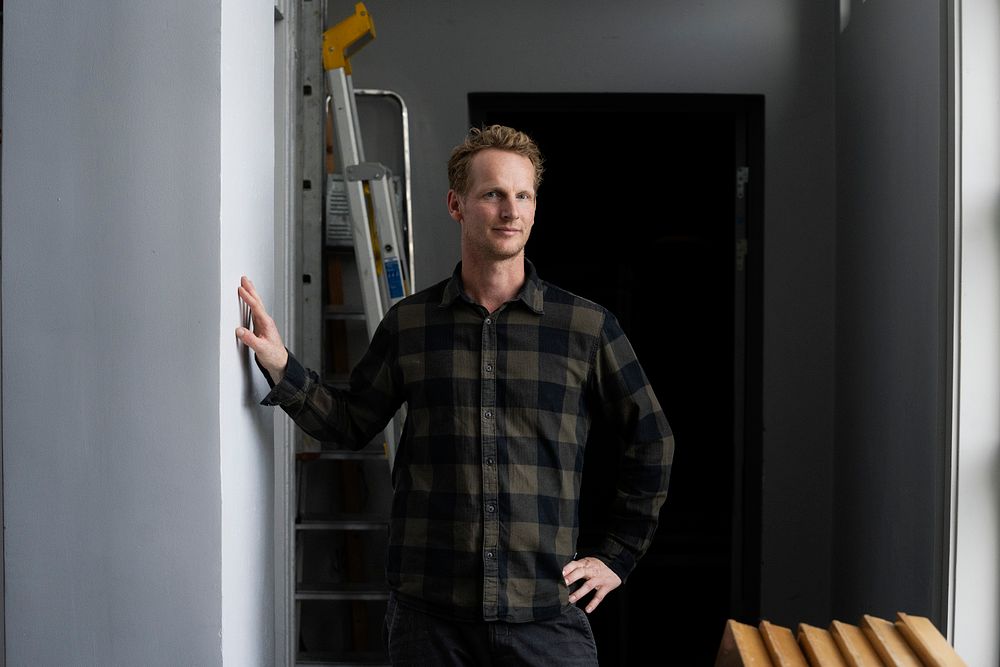
Dag Werner Blaich, an engineer, is seeking compensation of 460,000 kroner for over 1,000 unpaid overtime hours worked by his former employer, the director of a construction company that has since gone bankrupt. The central question in the case is whether Blaich's project management position could be considered "special independent status."
This status would exempt him from some of the rules in the labor environment law, particularly those that set limits on daily and weekly working hours. The number of people in Norway who benefit from this exemption is unclear. A 2014 report estimated that about 20% of all employees use this exemption, while the Norwegian Engineers and Technologists Association believes the figure is higher.
The association argues that the exemption is used too frequently. Linn Marie Schilling Tjensvold, director of labor affairs at Nito, believes that even young and newly trained workers are being placed in positions with special independent status, which is clearly wrong. The contract with Blaich did not include the phrase "special independent status," but stated that he had a standard workweek of 40 hours, while also explicitly including normal overtime in his compensation.
Blaich claims that his former boss assigned him numerous new projects, despite telling him that the workload was too heavy. At one point, he was leading five projects and working up to 60 hours a week. He asked for relief, but was largely denied. E24 has not received a comment from Blaich's previous employer or his lawyer. The case has been under review in the Labor Court three times, most recently in the Supreme Court.
This is the first time the issue of special independent status is being reviewed at the highest court level. The judgment is expected in the coming weeks. Blaich has so far lost the case but received assistance from Nito. The organization hopes the Supreme Court sets clearer parameters for when employers can use special independent status.
Nito argues that many flexible solutions for working hours exist under the labor environment law, and it is not as if employees are forced to work eight to five every day. The law allows for flexible arrangements for working hours; it is not as if employees are locked into working nine to five. According to Arbeidstilsynet, a lot is needed before an employee can be considered to have a special independent status.
The court placed great emphasis on the extensive responsibility Blaich had as a project leader, that he had considerable control over when and where he worked, and that he organized work between multiple projects. Blaich, on the other hand, argued that he could not influence his own workload and, therefore, his own working hours.
He pointed out that he had to be on the construction site to see that things were being done, plus there were numerous meetings, so he had to be somewhere at certain times. He argued that this was not autonomy, and there was no basis to classify him as special independent.
Written by urgent.news from E24 Norway's reporting — not their text. Machine-written — may contain errors; check the original before relying on it.