College Sports Are Great
The accomplishments of athletes are every bit as impressive and legitimate as those of dancers, debaters, and oboists.
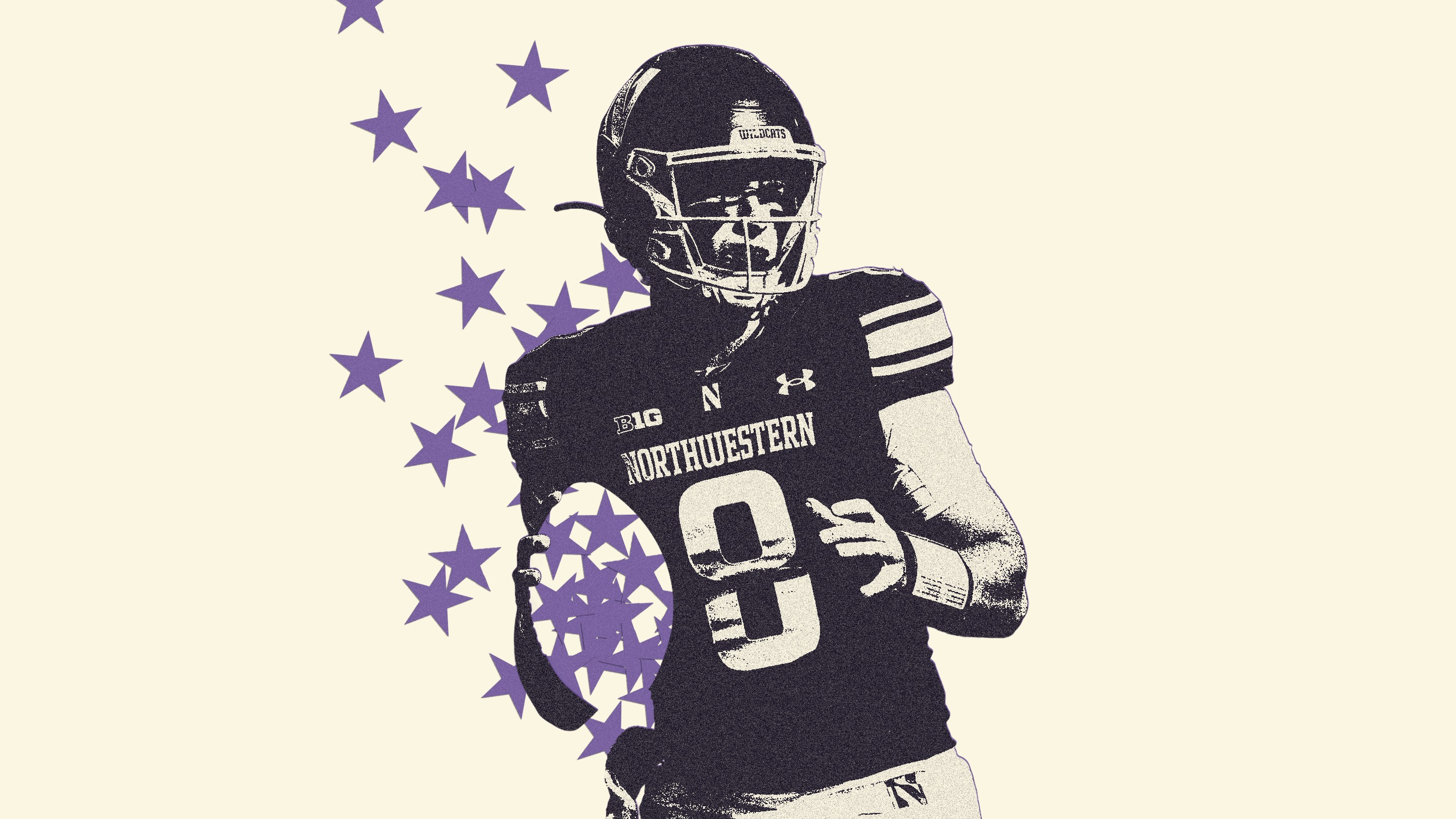
For a decade, the reporter has been part of a faculty committee working closely with Northwestern University's athletics department. A professor once complained about athletes receiving special admissions considerations, suggesting they could admit more oboists if athletes didn't get as many spots. At the time, the university was involved in scandals related to sexual harassment, hazing, and faced a lawsuit.
Meanwhile, the university announced the construction of a new, most expensive football stadium for a college team, which was a lot to process at once.
The reporter nodded in agreement with their colleague, pondering the university's mission: helping students decide what they want to do after college, cultivating knowledge and skills, supporting faculty research, and raising capital to continue this work. However, as the reporter reflected on the university's purpose, they became less convinced that oboists were more desirable and qualified for admission than athletes.
The reporter questioned why people believed that oboists would make a greater contribution to society than athletes over the course of their lives. They emphasized that many people remain skeptical about the alignment between Northwestern's athletics and academic missions, especially as football becomes increasingly commercialized within the university.
Critics lament the professionalization of college sports, but many student athletes prioritize their sport over their classes. Some academics view sports as frivolous and corrupting, as a distraction from moral and intellectual formation and the commercialization of modern universities.
The reporter argued that many criticisms of athletics held by colleagues and others may be based on misconceptions. For instance, the claim that student athletes are paid overlooks the fact that other students have opportunities to earn money for work they do for the university or on their own behalf. The reporter highlighted that college athletes are not "dumb jocks" and have demonstrated strong academic performance and dedication to their studies.
They served on committees that hired recent athletics directors and interacted with student athletes, noting their emphasis on academic success and effort in being students.
Despite the negative attention surrounding youth sports, the reporter does not believe that parents of athletes put more pressure on their children than parents of kids involved in other activities. The reporter emphasized that Northwestern's Division I athletes put in as much effort as oboists or students in other pursuits, with their accomplishments being equally impressive and legitimate.
However, student athletes sometimes feel like they don't deserve to be there, as nonathletes might avoid group projects with them, fearing unreliability or intellectual inadequacy.
In reality, athletes perform as well as nonathletes academically, often achieving better grades during their active playing season compared to the offseason. As the director of the American Studies program, the reporter met with majors, including a runner on the varsity cross-country team, who discussed her thesis, required classes, and discipline necessary to maintain a 3.9 GPA. The runner's strategies combined sports and academic approaches, such as physical activity, nutrition, sleep, and good study habits.
The reporter concluded that while athletes may miss a significant amount of class time due to practice and competition schedules, all students, including athletes, must navigate their curricular and extracurricular commitments, including work and family obligations. They also noted that football and men's basketball are fundamentally different from the other 19 varsity teams, as they generate most of the athletics department's revenue, drive controversial changes in college sports, and receive the majority of support.
Written by urgent.news from The Atlantic's reporting — not their text. Machine-written — may contain errors; check the original before relying on it.