Bitcoin und Co.: Scharfer Wettbewerb: Volksbanken öffnen sich für Krypto
Der Wettbewerb im Kryptohandel nimmt zu: Volksbanken wollen mit eigenen Angeboten vor allem jüngere Kunden ansprechen. Was steckt hinter der neuen Strategie?
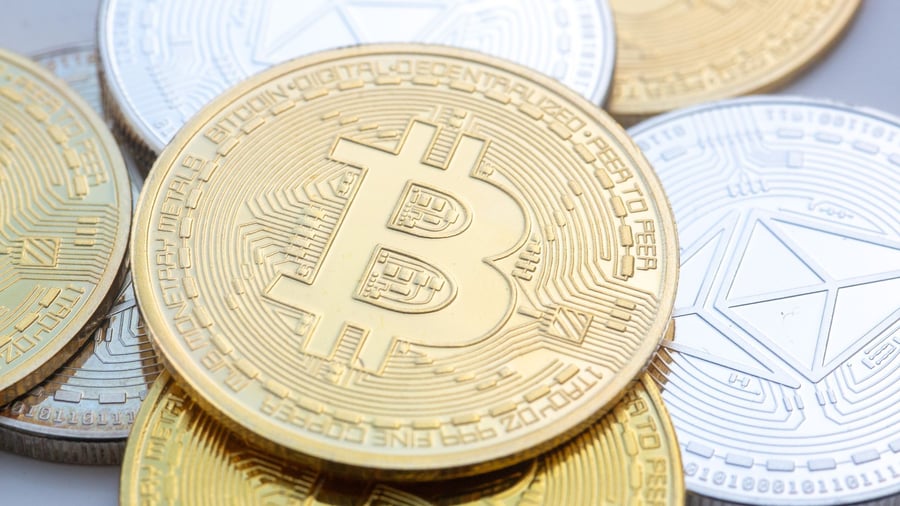
Deutsche Volksbanken are increasingly assisting customers with crypto investments in Bitcoin and Ether. A survey of 196 institutes, conducted by the Genoverband from July 31 to August 21, found that 6 percent of genossenschaftlichen (mutual) banks are already trading cryptocurrencies. Another 26 percent plan to introduce crypto trading solutions within five months.
Over half (59 percent) of the participating institutes expect to offer crypto trading to interested customers in the next two years. This product is aimed at self-deciding investors who make investment decisions independently. Genoverband President Michael Hoeck emphasized that it is detrimental for anyone if this topic, which is gaining interest, is left to competitors who may only or mainly offer high-risk assets.
However, 30 percent of the institutes surveyed said they have no plans to offer crypto trading. Banks anticipate worsening competition as more foreign banks and neobanks, such as N26, Trade Republic, and Revolut, compete for customers in Germany. More than half (54 percent) of surveyed CEOs expect a strong or very strong increase in competition for deposits.
Only 13 percent anticipate little or no increase. Neobanks have been offering cryptocurrency trading for some time, while German savings banks have finally overcome their resistance and developed an offering through their investment house, Dekabank, which will enable crypto trading through the Sparkassen app starting in October.
Bitcoin is generated through computational processes, and users are typically anonymous. However, transactions are visible on the public blockchain ledger. Central bank officials do not consider such crypto tokens to be true currency and warn of risks due to speculative bubbles, as they lack control by a central bank or state.
Written by urgent.news from Handelsblatt's reporting — not their text. Machine-written — may contain errors; check the original before relying on it.