Behind on rent? You can be kicked out
Almost one in six South African tenants is behind on rent, and recent High Court judgments show non-payment can end in eviction – but landlords cannot simply change the locks.
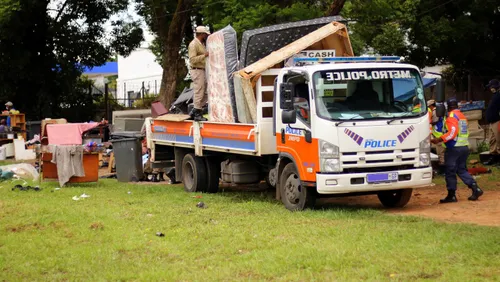
South African tenants are facing rising rents and the risk of eviction if they fall behind on payments. In the second quarter of 2026, 16.9% of tenants were in arrears, a slight increase from 16.7% in the first quarter. The average residential rent reached a record R9,715, up 5.2% from a year earlier. Tenants who owe landlords more than one month's rent can face eviction, but the process must follow a legal procedure.
In the KwaZulu-Natal High Court case of Strydom N.O and Another v Phili and Others, tenants who had occupied a Durban property without paying rent for over 12 years were ordered to leave in 2025. The landlord had given notice to remedy their breach before cancelling the lease, and the court found the tenants had no valid legal argument to remain without paying rent.
Another case, RED R7 (Pty) Ltd v Seroka and Another, also resulted in eviction. The Johannesburg High Court found that the landlord could pursue the overdue amount separately from the eviction proceedings. The court considered factors such as the length of occupation and the availability of alternative accommodation when deciding whether an eviction was just and equitable.
Landlords attempting to bypass the court process, like in Lukhele and Others v Humayl Properties, can face legal consequences. The Gauteng High Court ordered the restoration of possession of the property and prohibited the owners from interfering with the occupants' possession while eviction proceedings were pending.
In summary, tenants falling behind on rent in South Africa can face eviction, but the process must follow the Prevention of Illegal Eviction from and Unlawful Occupation of Land Act (PIE). Courts consider factors like the length of occupation and the availability of alternative accommodation before granting an eviction order.
Written by urgent.news from IOL's reporting — not their text. Machine-written — may contain errors; check the original before relying on it.