Australia’s central bank chief warns inflation risks materialising
CANBERRA/SYDNEY: Australia’s top central banker said on Friday some of the upside risks to inflation flagged by policymakers appeared to be materialising, with the Middle East conflict and the AI boom putting upward pressure on prices. Addressing lawmakers, Michele Bullock, governor of the Reserve Bank of Australia, said a key question facing policymakers at its policy meeting this month would be…
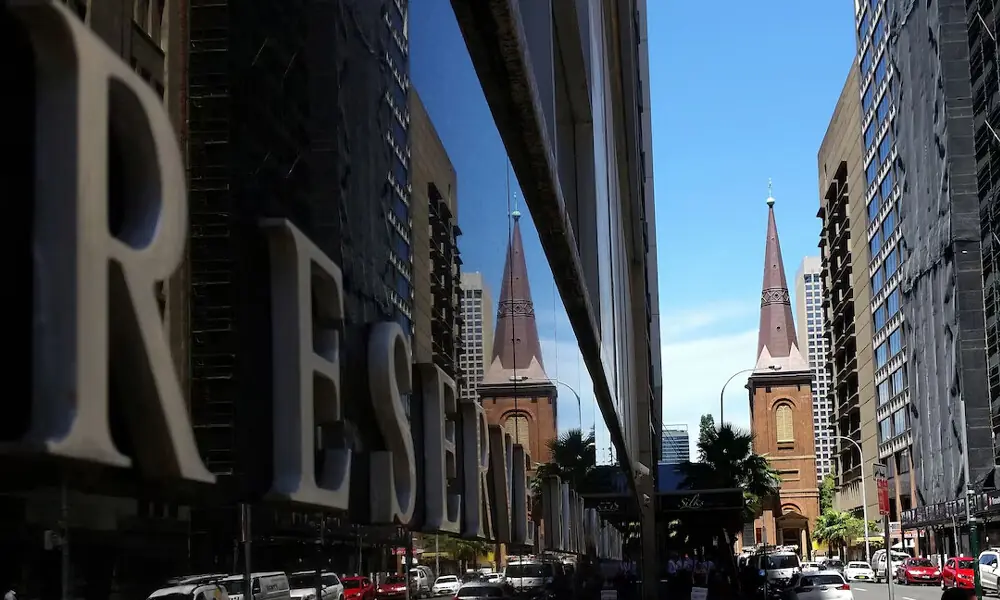
Australia's top central banker warned on Friday that some inflation risks previously flagged by policymakers are now becoming a reality. Michele Bullock, governor of the Reserve Bank of Australia (RBA), addressed lawmakers and said a key concern for policymakers at their upcoming meeting was whether three rate hikes this year would be sufficient to bring inflation back to the 2-3 percent target.
Bullock stated that it may take the same rate to achieve this, or it may not, and that identifying the source of the upside risks is currently the focus.
The RBA held interest rates steady for a second consecutive meeting in August, but signaled that rates could rise further. Bullock singled out the Middle East conflict, a global investment boom in data centers, and extreme weather events as key risks to inflation. She noted that despite the slowing Australian economy, some of these inflation risks are starting to materialize.
The ongoing conflict in the Middle East has led to sharp increases in oil and related prices, directly impacting inflation. Additionally, the global AI boom is driving higher prices for AI-related technologies that are in short supply.
Markets indicate a 93 percent chance that the RBA will raise rates for a fourth time this year to 4.6 percent during its September 28-29 meeting, with the possibility of reaching 4.85 percent by early 2027. This projection reflects both the domestic inflation report and a global shift driven by the Federal Reserve's return to rate hikes after a three-year hiatus.
Bullock acknowledged concerns from businesses that the central bank might fail to control inflation, with some firms passing on higher costs to consumers. A still-tight labor market could exacerbate this pass-through of rising input costs into prices.
While the housing market has softened more than anticipated, potentially posing a downside risk to economic activity, Bullock pointed out that financial stability risks from falling house prices are manageable as borrowers now have substantial savings buffers. She emphasized that the impact of changes in housing prices on economic activity, the labor market, and ultimately inflation is crucial for monetary policy decisions.
UBS economists, citing the central bank's hawkish stance, anticipate two more rate hikes by the RBA, potentially pushing the cash rate to a peak of 4.85 percent. George Tharenou, chief economist at UBS, noted that global central banks, including the RBA, are increasingly reacting to inflation, both past misses and current risks.
Recent events have triggered their "base case" change, leading them to believe the RBA is likely to raise rates twice more, reaching the 4.85 percent level.
Written by urgent.news from Business Recorder's reporting — not their text. Machine-written — may contain errors; check the original before relying on it.