Anutin’s first year: Restoring Thailand’s political status quo
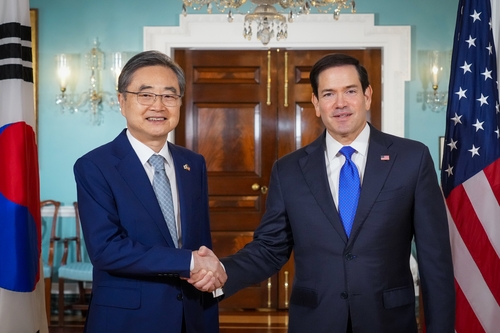
By Murray Hunter ONE year after Anutin Charnvirakul assumed the premiership, Thailand’s government has settled into a familiar rhythm. The diverse coalition he leads, backed by Thaksin Shinawatra’s Pheu Thai Party, has restored a sense of “normality”...
One year after assuming the premiership, Thailand's government under Anutin Charnvirakul has stabilized into a familiar pattern. The diverse coalition he leads, backed by Thaksin Shinawatra's Pheu Thai Party, has restored a sense of normality to the country. Friendliness towards nearly every major stakeholder has become the administration's defining principle. This approach has sacrificed ambitious reforms but has coincided with a stagnant economy.
The Bhumjaithai administration has converted its precarious minority arrangement into one of the more stable elected governments of the past two decades. Anutin likened himself to kaeng ho, a northern Thai curry made from leftover ingredients, symbolizing his ability to blend disparate parts of society into a resilient whole. Bhumjaithai has leveraged its reputation for effective local service delivery, expanding across the lower Northeast and central regions.
The party's electoral machine, built on networks of local families, proved decisive in the 2026 general election, as it won without topping the national party-list vote.
Anutin completed a conservative rebrand that Bhumjaithai had pursued since 2023, moving away from former Prime Minister Prayut Chan-o-cha. The party now stands out for defending traditional institutions and asserting nationalist credentials. Anutin appealed to "Lung Tu's" voters to support "Lung Nu" instead, appealing to moderate voters seeking competent management.
However, governing has proven more complex than campaigning. Deputy Prime Minister Ekniti Nitithanpraphas oversees the macroeconomy, while Deputy Prime Minister Pakorn Nilprapunt has aimed to shrink the size of government. A lookthep faction of ministers drawn from provincial families exerts its own influence, leading to concerns over projects like the TH-AI Passport and the Land Bridge.
Tensions between the technocratic and localist tracks have raised questions about which will prevail. Anutin's priorities remain vague, and his easy-going style has helped keep the government intact. The opposition is weak and divided, giving Anutin time to establish his government style. Bhumjaithai and Pheu Thai remain united, with Thaksin staying in the background after recent setbacks.
The Bhumjaithai system's three pillars include the kaeng ho political synergy, the dual-track cabinet mixing technocratic and localist elements, and the broader institutional dominance shielding the coalition from external challenges. The government's strength rests on rural and provincial networks cultivated through alliances with local power brokers.
Anutin has assembled coalitions accommodating the Thai establishment, preserving the status quo. The flat economy and high debt have constrained large-scale projects, while security issues along the Cambodian border have provided political cover. The most significant challenges may arise when regional competition becomes more intense.
Written by urgent.news from The Vibes's reporting — not their text. Machine-written — may contain errors; check the original before relying on it.