All you need to know about: nosebleeds
Occurring mostly in the under 10s and the over 45s, nosebleeds are very common: about 60% of the population is estimated to experience one in their lifetime
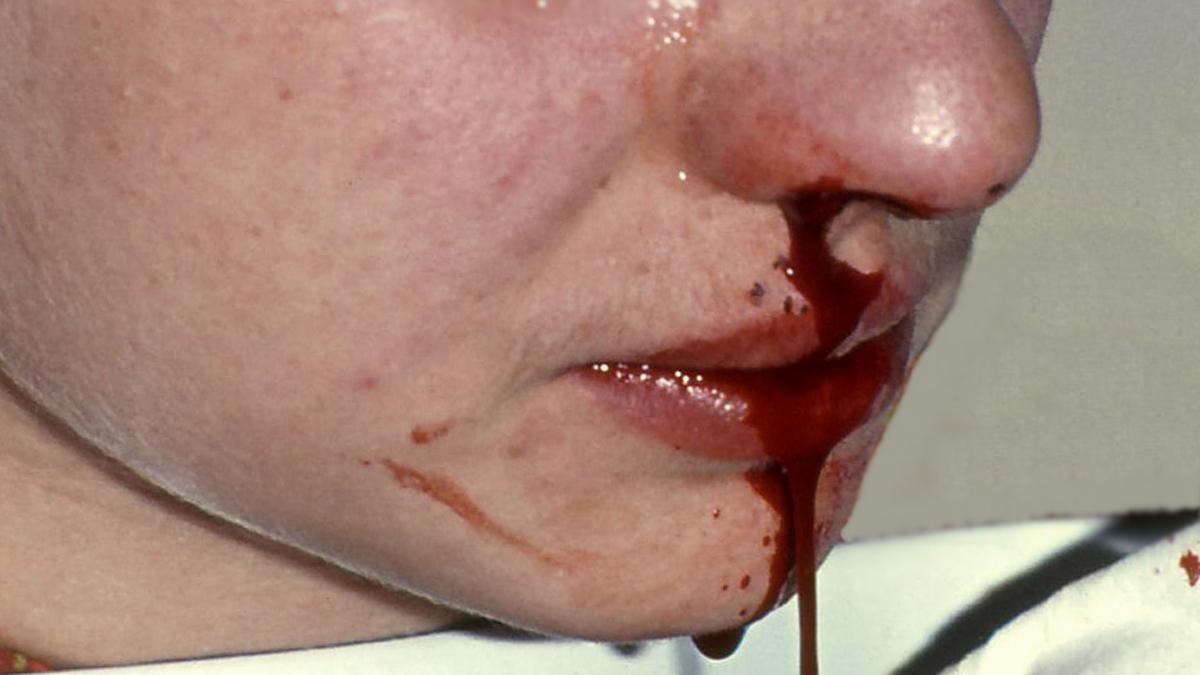
Nosebleeds, medically known as epistaxis, are a common occurrence affecting about 60% of people at some point in their lives. They can be alarming due to the sight of blood, but are generally not a serious cause for concern. Our noses contain delicate, moist tissue called nasal mucosa, which is responsible for cleaning, warming, and moistening the air we breathe. This tissue is packed with tiny blood vessels that can easily be irritated and broken, leading to a nosebleed.
There are two types of nosebleeds: anterior and posterior. The more common anterior nosebleed starts at the front of the nose and can usually be managed at home. Posterior nosebleeds are less common but more serious, as they originate deep within the nose and can cause heavier bleeding. This type requires immediate medical attention.
Common triggers for nosebleeds include dry air, which can dry out and crust the nasal mucosa, making it prone to bleeding. Other factors include picking or blowing the nose too forcefully, upper respiratory infections, allergies, and certain medications. Injuries to the nose, use of nasal objects, deviated septum, recreational drug use, and less common causes like blood disorders or tumors can also lead to nosebleeds.
While most nosebleeds are harmless, certain situations warrant a visit to a medical professional. These include nosebleeds following an injury, heavy bleeding lasting more than 30 minutes, swallowing blood, experiencing dizziness or shortness of breath, and the presence of underlying health issues such as bleeding disorders or high blood pressure, especially in children under two years old.
To manage a nosebleed, simple first-aid techniques can be employed. Using a humidifier to keep indoor air moist, trimming children's fingernails to prevent nose picking, managing allergies, applying nasal saline spray or petroleum jelly can help maintain the moisture of the nasal lining. Avoiding exposure to smoke is also beneficial.
Written by urgent.news from The Hindu Health's reporting — not their text. Machine-written — may contain errors; check the original before relying on it.
Also reported by 1 other outlet
- All you need to know about: nosebleeds thehindu.com