A tale of two Libya's: internal division meets external unity
A tale of two Libya's: internal division meets external unity newspress_en Sat, 09/19/2026 - 10:23 Politics On 30 August, an agreement was signed resolving long-standing disagreements which had disrupted Libya’s electoral process for almost five years. According to the UN officers and diplomats who oversaw the deal, this is the spring of Libyan democracy. Talk to Libyan activists, or politicians…
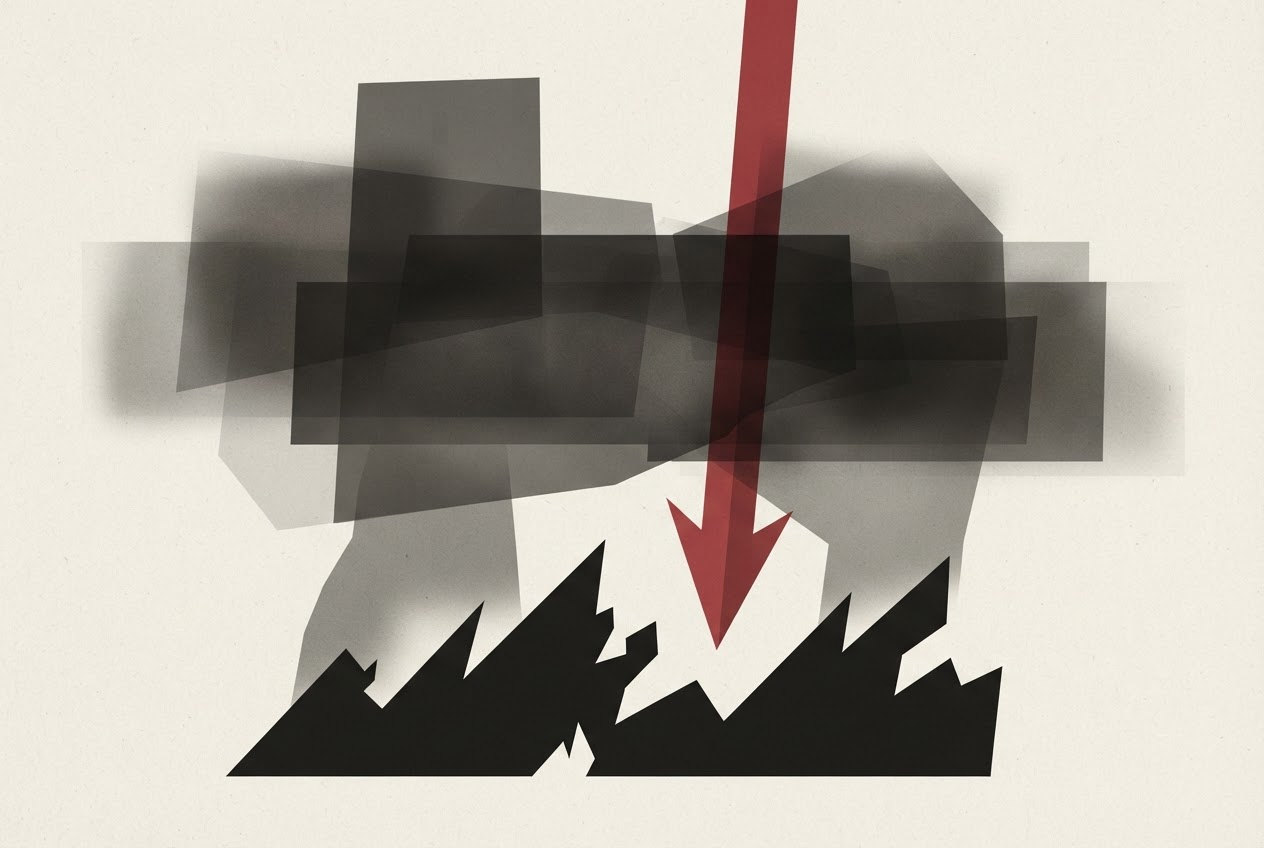
Two Libyan states exist: a politically divided nation and one united externally. After nearly five years of disruption, an agreement was signed on 30 August to resolve long-standing disagreements. However, many Libyans worry this agreement paves the way for a Haftar presidency rather than representative politics. Despite the deal, the future parliament remains powerless, military candidates can run alongside civilians, and military candidates are permitted. The UN praised the achievement as a sign of consensus and progress.
Libya's economy is on the rise, with oil production hitting new highs since 2011. Major international companies are showing interest, and reconstruction projects are underway. Tripoli's international airport is set to reopen, and football clubs from Europe have visited Libya to mark milestones. However, inflation, power cuts, and fuel shortages persist, leading to hardships for Libyans.
Inflation means the dinar regularly drops under 10 to the dollar, and power cuts last for hours, causing long fuel queues and exacerbating economic problems.
Despite the economic struggles, Libya is currently experiencing peace and stability. No war has been fought since spring 2020, and Haftar's forces and government forces are performing joint exercises with US Africa Command. Efforts are underway to unite their armies and establish long-term peace. Still, Libya faces ominous instability, as evidenced by recent fighting in Tripoli and drone attacks on the only working refinery in Zawiya.
Even within Haftar's forces, there are internal feuds and power struggles. Saddam Haftar, son of General Khalifa Haftar, recently attended a military parade in Benghazi. Meanwhile, assassinations of key figures in western, eastern, and opposition factions have increased, causing additional instability. Despite these challenges, the international community remains united in their support for Libya.
Türkiye, Russia, the UAE, and Egypt are all making accommodations, and the UN Security Council has welcomed the recent agreement. The future of Libya remains uncertain, but the international community remains hopeful for a brighter future through unity.
Written by urgent.news from Al Majalla English's reporting — not their text. Machine-written — may contain errors; check the original before relying on it.