A definitive guide to 454 species of mammals in India, from elephants and tigers to bats
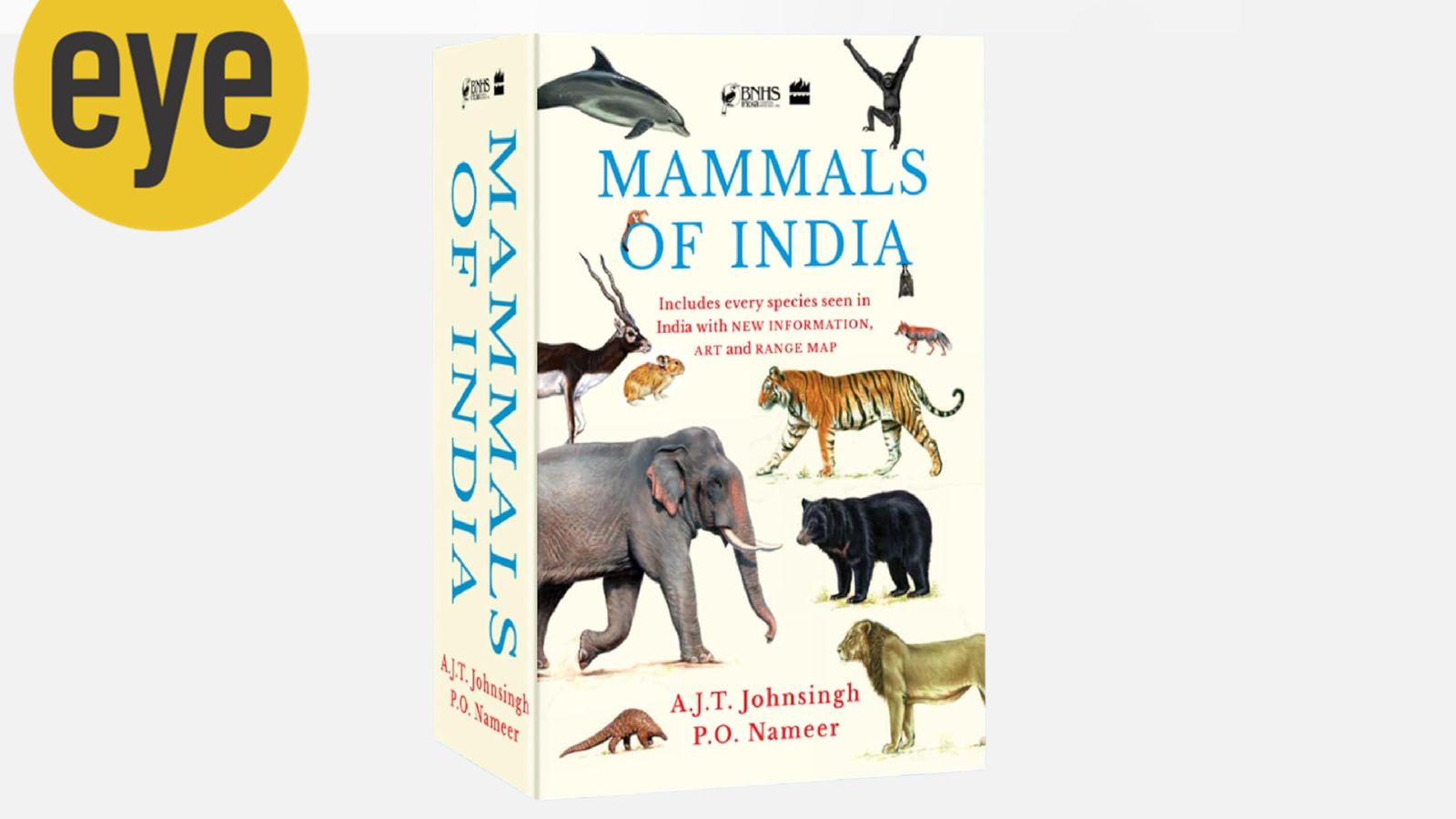
Mammals of India is a comprehensive guide to the 454 mammal species found within the country's diverse biogeographic zones. Authored by renowned wildlife biologist Asir Jawahar Thomas, or AJT Johnsingh, and Professor PO Nameer, the book features fluid design, distribution maps, and illustrations that appeal to both seasoned researchers and curious students alike.
The guide, penned over 800 pages, covers both terrestrial and aquatic mammal species, from elephants and tigers to bats. Johnsingh, an Indian vertebrate ecologist, was India's foremost mammalian expert, having researched dholes in Bandipur, Asian elephants, and the conservation of the blue-finned mahseer. He also served on the National Board for Wildlife.
Illustrations by Chirag Thumbar and distribution maps by Raghunath Rangaswamy have been compiled from literature stretching back to 1888 and updated scientific journals. The book also takes into account conservation challenges faced by keystone species such as elephants, bears, tigers, leopards, and bats.
Bats, numbering 135 species in India, are highlighted due to their misunderstood reputation and the threats they face. These include habitat destruction, climate change, pollution, and their connection to Nipah outbreaks and COVID-19. The authors advocate for active government support for bat research.
The book also explores the evolution of mammals through different geological ages, detailing how tectonic shifts, formation of biodiversity hotspots like the Himalayas and Western Ghats, and their combined impacts have influenced the species' evolution and distribution. For instance, many species such as Nilgiri Tahr, elephants, rhinoceroses, giraffes, and hippo-like animals once roamed India but have since become extinct.
Written by urgent.news from The Indian Express's reporting — not their text. Machine-written — may contain errors; check the original before relying on it.