7 things your local bike workshop wants you to know
Avoiding a few simple mistakes could save you time, and money
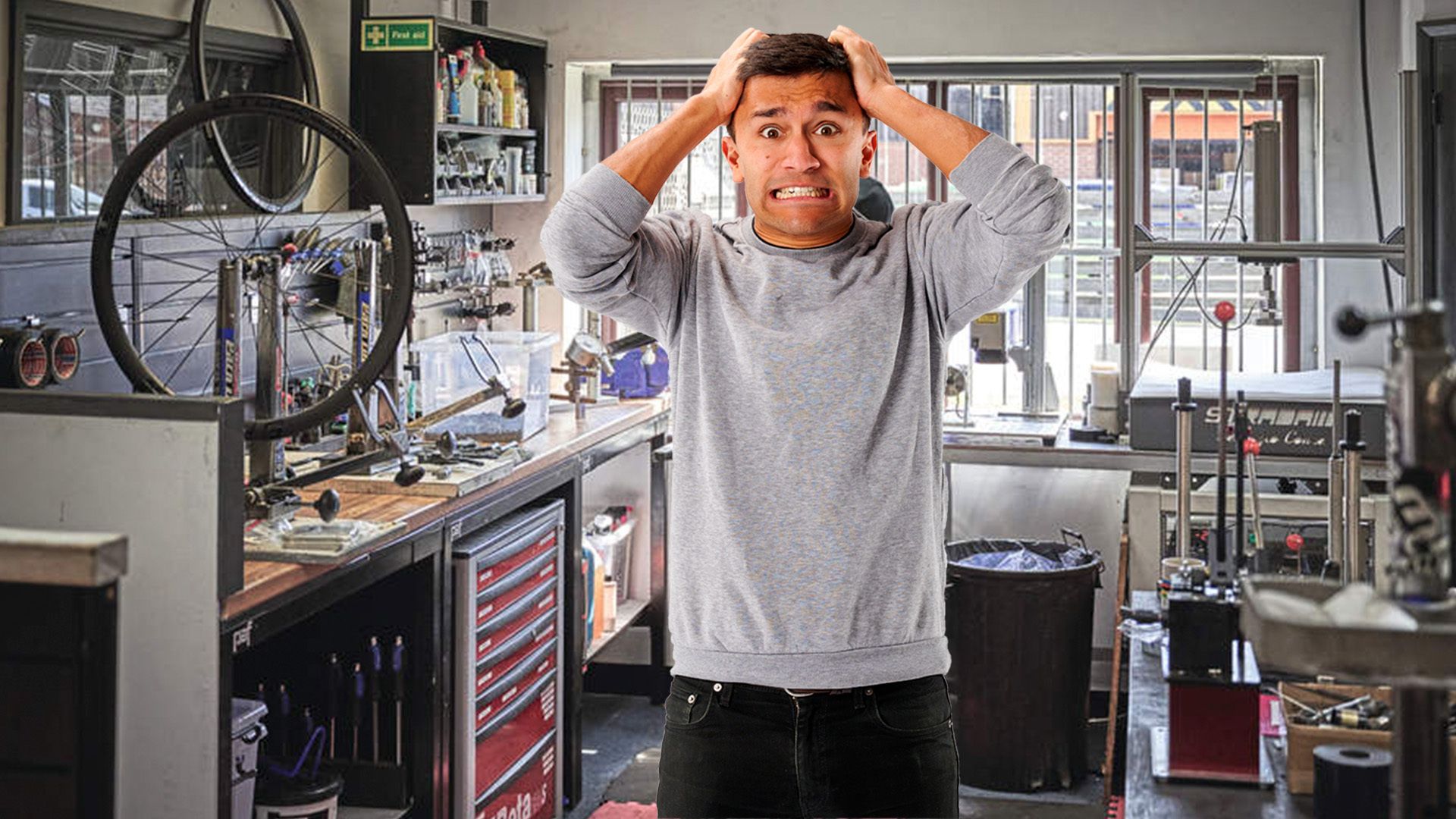
When you bring your bicycle into a local bike workshop with a noisy drivetrain and blackened parts, mechanics can often diagnose the problem before you even mention it. The scenario described is so frequent that it prompted the author to compile a list of useful tips. Here are seven pieces of advice from the workshop that could help you save both money and time.
Firstly, refrain from using WD-40 on your chain. Despite its popularity as a spray for squeaky chains, WD-40 is actually a water dispersal agent, designed to remove existing lubricant. It leaves behind a thin, greasy film that does not lubricate metal-to-metal contact efficiently. This practice can lead to increased wear on components such as cassettes and chains. Moreover, any WD-40 that comes into contact with disc brakes can adversely affect their performance.
Secondly, always clean your chain before applying lubricant. If the chain was not black when it was first fitted, avoid applying lubricant until the chain has been thoroughly cleaned. Start by using a degreasing agent specifically designed for cleaning bicycle chains. Rinse the chain thoroughly afterward, then apply the lubricant to a clean, dry surface.
This step is especially important when waxing the chain, as professional workshops dedicate significant time to ensure the chain is clean before applying wax, which can last up to 1000 miles.
Thirdly, inspect your bicycle before dropping it off at the workshop. If your bike appears to have been recently raced or heavily used, the workshop may charge more due to the additional cleaning and maintenance required. A clean bike not only makes the mechanic's job easier but also saves you money by allowing for quicker diagnosis of any issues.
Fourthly, if you have attempted to fix the bike yourself, inform the workshop. Mechanics often encounter issues that came from previous, less competent repairs. While there is no offense taken for trying to fix the bike yourself or having it repaired by someone else, it is important to disclose this information to avoid unnecessary delays or additional charges.
Fifthly, consider the impact of your actions on the workshop's schedule. Although you may have traveled a considerable distance to bring your bike to the workshop, do not expect immediate attention if your bike requires extensive work. Most workshops have a queue of jobs to complete, and workshops operate on a schedule, much like other businesses. If you are traveling far and need the bike repaired urgently, it may be beneficial to call the workshop first to check availability and potentially save time.
Sixthly, be cautious when attempting to true a bicycle wheel yourself. Modern wheels with straight pull and bladed spokes require precise balancing and adjustment. Tweaking spokes with a spoke key can lead to twisted spokes and damaged rims. Mechanics often see clients bringing in wheels that have been improperly true, causing additional complications and expenses. If you are unsure about the process, it is best to leave the wheel truing to a professional.
Lastly, if all else fails, consider stopping by the biscuit aisle for a morale boost. This light-hearted advice serves as a reminder that sometimes, despite our best efforts, it is necessary to seek professional help. If you have followed all the aforementioned tips and your bicycle still requires significant attention, it is perfectly acceptable to seek assistance from a qualified mechanic.
Written by urgent.news from Cycling Weekly's reporting — not their text. Machine-written — may contain errors; check the original before relying on it.