6 tips to lower your sky-high grocery bills
Last week, the U.S. Bureau of Labor Statistics released the most recent consumer price index , which tracks inflation of important consumer goods—including your groceries. The cost of food has risen sharply, according to the CPI, with the same cart of groceries costing 2.7% more in August 2026 than in August 2025. What’s more, food prices have increased by an eye-watering 33% since August 2019 .…
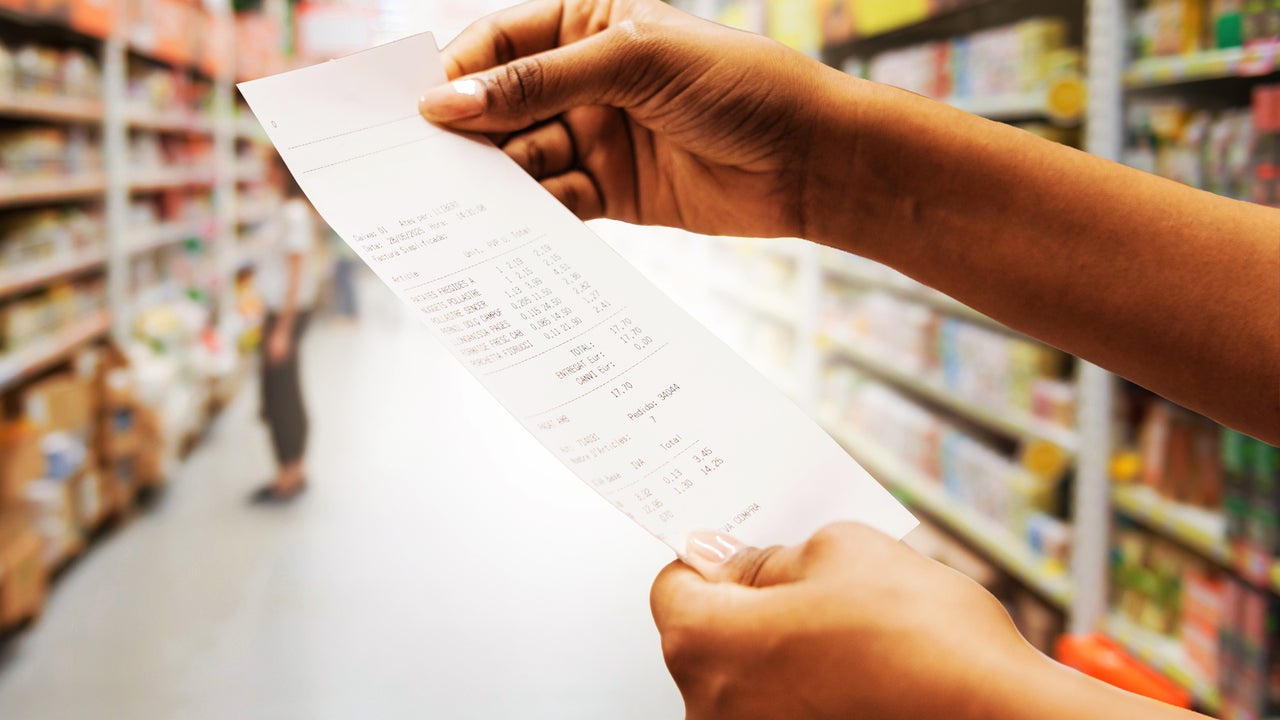
In August 2026, the U.S. Bureau of Labor Statistics reported that the cost of groceries increased by 2.7% compared to the previous year, and food prices have risen by 33% since August 2019. This significant increase in grocery bills affects all types of food items, making it difficult for consumers to adjust their spending. The main drivers of high food costs include climate change, tariffs, and energy prices.
Climate change has led to reduced availability of certain fruits due to winter conditions, while tariff rates on imports like coffee and bananas have increased, affecting their prices. Energy price fluctuations, particularly in diesel fuel, can also impact food prices, particularly for perishable goods. To save money on groceries during these high-cost times, consider shopping seasonally and locally, reducing meat consumption, cleaning out your fridge and pantry, and planning your meals in advance.
Written by urgent.news from Fast Company's reporting — not their text. Machine-written — may contain errors; check the original before relying on it.