Why Singapore’s big-box gyms are losing to niche fitness studios
Property agent Raymond Heng had suspected True Fitness was struggling, but he did not expect the gym he had visited for more than a decade to disappear overnight. The closure was not entirely surprising given the region’s fiercely competitive fitness industry, but its abruptness left Heng, 47, in disbelief after paying S$8,800 (US$6,900) for a lifetime membership in 2013. “I guessed that they…
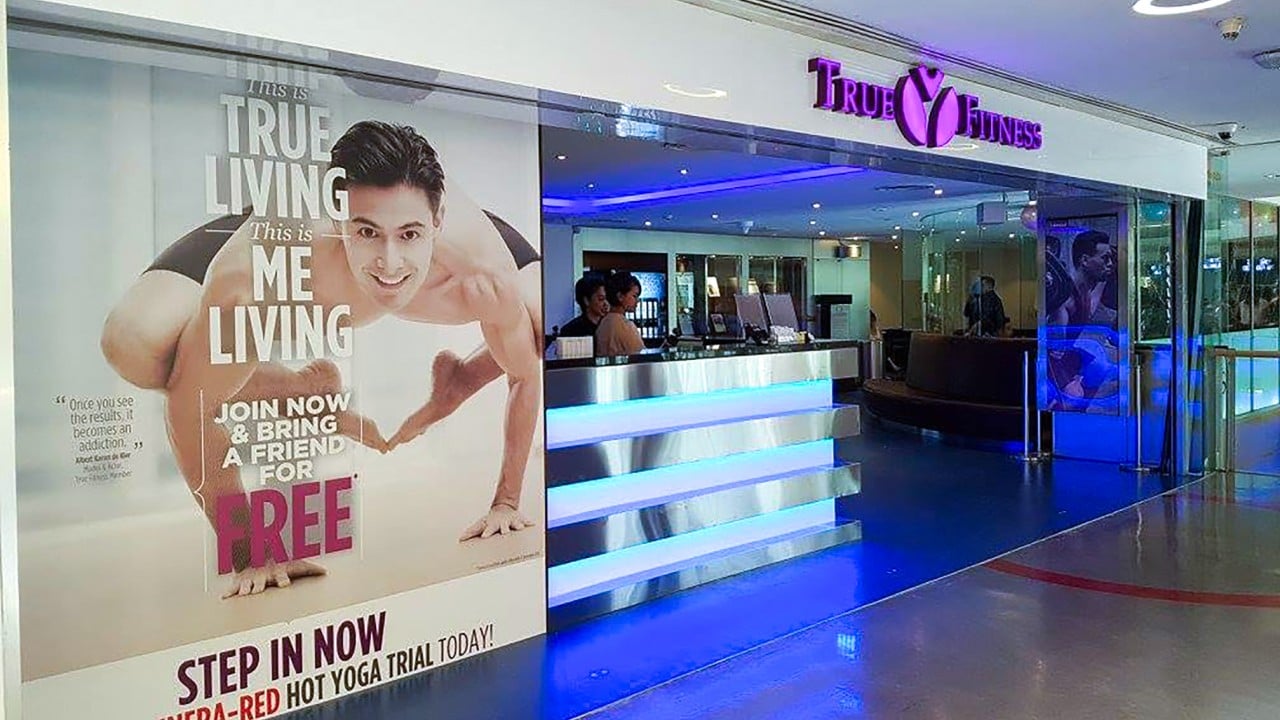
Singapore's large fitness centers are experiencing a decline as niche fitness studios gain popularity. Property agent Raymond Heng, who has been a member for over a decade, was shocked to learn that True Fitness, his long-time gym, had abruptly closed. The closure was attributed to cost pressures and intense market competition, but industry experts believe it reflects shifting consumer preferences.
Consumers are now divided between those seeking value and convenience, and those looking for specialized experiences beyond traditional gyms.
Experts argue that large-format gyms have become too competitive, and must now compete on experience and community. Traditional gyms struggle to compete with low-cost chains and specialized studios. Jack Tong, an assistant professor at Nanyang Technological University, notes that operators must now compete on all fronts, including experience and community.
Boutique gyms are capitalizing on this trend, offering structured classes and personalized coaching. Hybe Fit, a hybrid training gym, offers specialized workouts and personalized coaching at a premium price point. In contrast, price-conscious consumers prefer budget-friendly options like Anytime Fitness, which offers 24-hour access at a lower cost.
The closure of True Fitness has reignited discussions about consumer protection standards for long-term prepayments. Professors suggest that consumers are becoming more specific in their fitness preferences, and are willing to pay more for better service, wellness experiences, and networking opportunities.
Written by urgent.news from South China Morning Post's reporting — not their text. Machine-written — may contain errors; check the original before relying on it.