Which neighborhoods in Mexico City have the highest seismic risk?
Mexico City has a history of severe earthquakes in September, with several notable neighborhoods at high seismic risk when the next one hits, writes Andrea Fischer. The post Which neighborhoods in Mexico City have the highest seismic risk? appeared first on Mexico News Daily
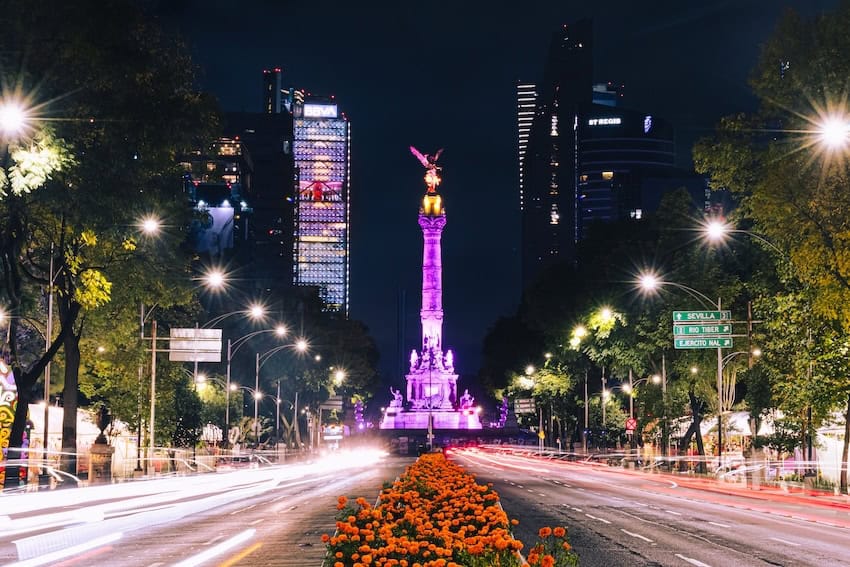
Mexico City, a city prone to earthquakes, faces heightened seismic risk in several neighborhoods. Despite the lack of an "Earthquake Month," the risk looms constant. One such area is Colonia Cuauhtémoc, with its heart neighborhood suffering severe earthquake damage in 2017 and 2022. This area, located in Zone III (Lake Zone), sits on deep lacustrine clay deposits that amplify seismic waves and have caused significant destruction in past quakes.
The Historic Center, rich in Mexico's architectural and historical wealth, also experiences the brunt of earthquakes. Buildings older than 500 years bear the marks of tremors, with the Church of Loreto tilting noticeably due to seismic activities.
Roma Norte and Roma Sur, known for their trendy cafes and chaos, lie atop lacustrine clay deposits. While the streets are often undermined by tree roots, they also betray the neighborhood's susceptibility to major earthquakes, evidenced by cracks and broken pavement.
Colonia Condesa, a favored area for Sunday strolls, is unfortunately one of the most earthquake-prone areas in central Mexico. The neighborhood, too, falls within Zone III, characterized by thick, soft clay deposits that amplify seismic vibrations during major quakes. The district has seen older structures collapse in major earthquakes, raising fears of similar outcomes in future events.
Written by urgent.news from Mexico News Daily's reporting — not their text. Machine-written — may contain errors; check the original before relying on it.