US warns Americans to exercise increased caution in Cambodia
The State Department cites crime, unrest and unexploded ordnance. Most of Cambodia is now level 2, but some areas carry the top level 4 do-not-travel warning. The story US warns Americans to exercise increased caution in Cambodia as seen on Thaiger News .
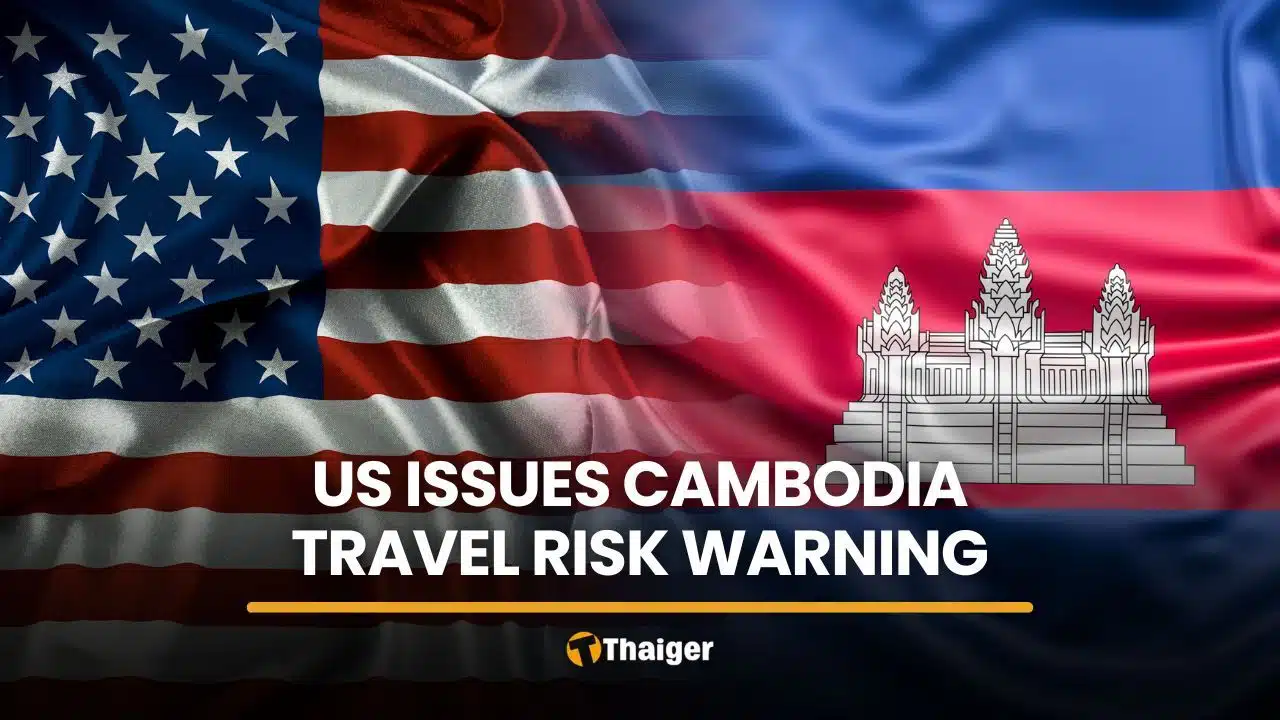
The United States government has issued a travel advisory for Americans visiting Cambodia, urging them to take increased precautions due to concerns over crime, unrest, and unexploded ordnance. The advisory, released on September 15, categorizes certain areas within 50 kilometers of the border with Thailand as Level 4, meaning "Do Not Travel," due to ongoing military tensions and the risk of armed conflict.
Such conflict has reportedly resulted in civilian casualties, and the US government has limited capacity to provide emergency services in the affected region.
In addition to the heightened risks in the border region, the advisory warns of elevated crime rates in Phnom Penh, including street crime like phone and bag snatchings. The State Department advises tourists not to physically resist robbery attempts, as it could result in injury.
Violent crimes such as sexual assault and homicide are also prevalent in Cambodia, sometimes involving foreign victims. The US government advises travelers to be particularly cautious in Battambang, Banteay Meanchey, Pursat, Siem Reap, Pailin, Kampong Thom, and Preah Vihear provinces due to the presence of landmines and unexploded ordnance in remote areas.
The Department of State recommends that Americans traveling to Cambodia enroll in the Smart Traveler Enrollment Program (STEP), which enables the embassy to send alerts and contact them or their emergency contacts in case of emergencies. Additionally, they suggest reviewing security and health information before their trip, and strongly recommend purchasing travel insurance that covers evacuation assistance, medical care, and trip cancellation.
Written by urgent.news from The Thaiger's reporting — not their text. Machine-written — may contain errors; check the original before relying on it.