Trump's new tariff threat risks cutting off Asia’s Russian oil lifeline as Gulf supply falls
The threat of US tariffs on major buyers of Russian oil could squeeze an increasingly important source of crude for India and China as Gulf supply disruption tightens the global market. The US House of Representatives has granted President Donald Trump authority to impose tariffs on any of the five largest buyers of Russian crude or gas that “knowingly” book a new cargo, with rates of up to 100…
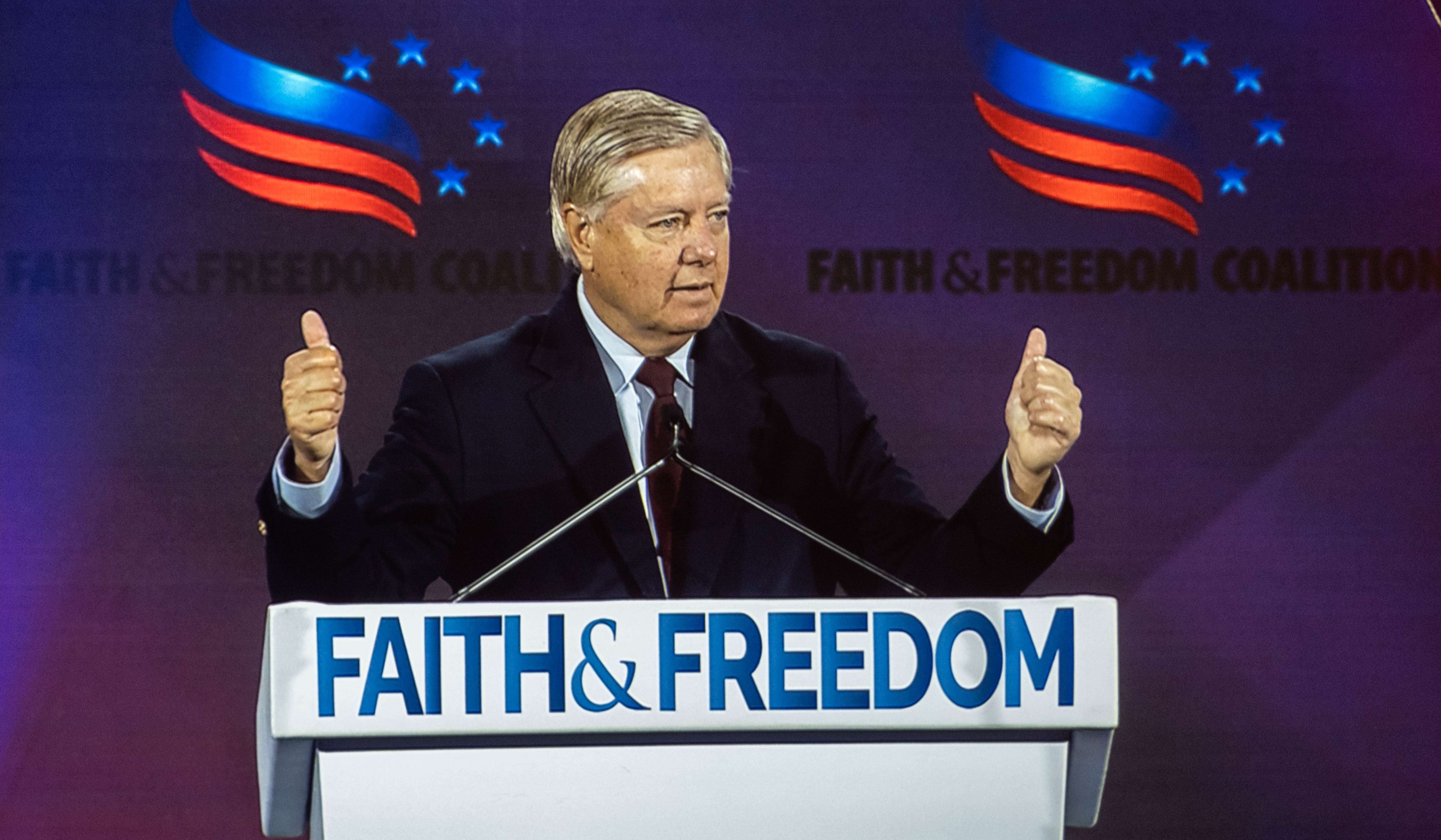
President Donald Trump's proposed tariffs on Russian oil imports could have significant implications for India and China, two of the largest consumers of Russian crude. The new law grants Trump the authority to impose up to 100% tariffs on any of the five largest buyers of Russian oil if they book new cargo "knowingly." The House of Representatives recently passed the Lindsey Graham Sanctioning Russia and Iran Act, with Trump expected to sign it, making the tariffs effective 30 days after enactment.
India has been heavily reliant on Russian oil imports, with Russian crude accounting for nearly 50% of its imports in July, up from nearly 18% in February. China, on the other hand, has seen a slight decrease in Russian crude imports, from 1.89 million barrels per day in February to 1.74 million bpd in July, but its share of imports has increased from 16% to 22%.
The threat of tariffs could incentivize Asian buyers to purchase more Russian oil to avoid potential supply disruptions, further cementing Russia's role as a critical alternative to Gulf supply. However, the broader oil market is already tight, with Brent crude prices hovering above $100 per barrel. The Strait of Hormuz, a crucial shipping route, is experiencing a decline in traffic due to tensions in the region.
India's Ministry of External Affairs has reaffirmed its commitment to ensuring energy security and taking necessary measures to protect trade and economic interests. Meanwhile, China appears to have a slight advantage, as planned tariffs on Chinese goods are expected to be delayed until Trump meets with Chinese President Xi Jinping. Despite this, refiners may seek exemptions or reduce spot purchases as a response to the new tariffs, potentially leading to a mildly bullish trend in oil prices.
Written by urgent.news from The National UAE's reporting — not their text. Machine-written — may contain errors; check the original before relying on it.