The support system behind Singapore’s hawker culture
Behind the bustle of every hawker centre is a network that helps stallholders build sustainable businesses while keeping neighbourhood dining affordable.
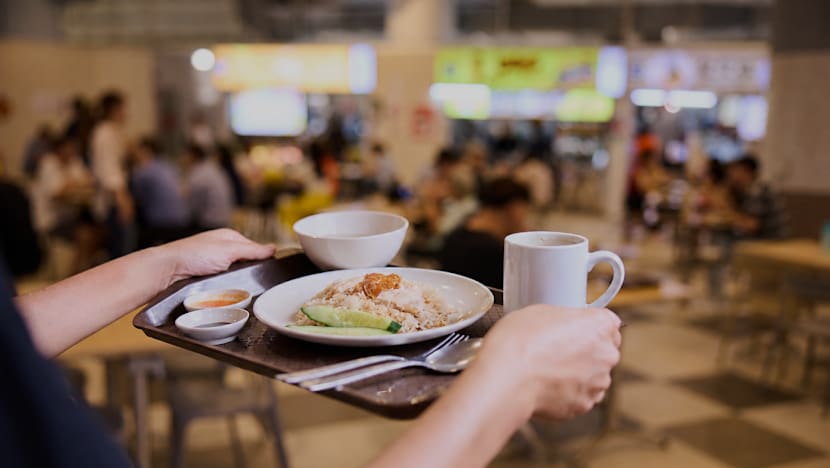
Singapore’s hawker culture thrives not only on the culinary delights offered but also on a support system that helps stallholders build sustainable businesses while keeping dining affordable for the neighborhood. The Buangkok Hawker Centre (BKHC), a Socially-conscious Enterprise Hawker Centre (SEHC), exemplifies this support model.
One such stallholder benefiting from this system is Mr Sahul Hameed Asan Gani, whose Rizqia Muslim Food stall, which opens at 10.30am, has loyal customers traveling from Jurong. Mr Sahul, who learned to cook professionally from colleagues in the restaurant industry, focuses on making his dishes with healthy ingredients and avoids monosodium glutamate and food coloring. His painstaking approach has earned him a Michelin Bib Gourmand award.
Behind the scenes, the Fei Siong Social Enterprise (FSSE) manages BKHC, taking care of matters such as resolving technical issues, social media marketing, and strategic business advice. FSSE, part of Fei Siong Group, provides support ranging from handling choked pipes to offering guidance on work-life balance. For instance, FSSE coordinates operating schedules to ensure rest days are distributed fairly among hawkers and assists with administrative tasks, such as applications for additional staff.
The SEHC model addresses increasing pressures faced by hawkers, including difficulty finding and retaining stall assistants, rising ingredient costs, and long hours in hot, humid environments. FSSE's measures include capping rent at market rates, staggering rents for stallholders during the first two years of a center’s operation, and provisions that support work-life balance.
During the COVID-19 pandemic, rental rebates from Kopitiam helped ease financial strain for businesses like Mr Gao Yu Piao’s Lobster King Pao Fan, which operates at SEHCs such as Hawker Centre @ Our Tampines Hub and Kampung Admiralty Hawker Centre.
FSSE also acts as a bridge between hawkers and the National Environment Agency (NEA), gathering feedback on issues like rising ingredient or gas prices and proposing solutions in consultation with NEA. This includes minor food price adjustments to balance meal affordability with business sustainability. NEA representatives attend regular meetings at SEHCs to directly hear from stallholders about challenges and ideas for improving center operations.
Operating surpluses from SEHCs must be reinvested for the benefit of the hawker centre or its stallholders, with a minimum of 50% required. This may include rental rebates, upskilling courses, or marketing initiatives. At Ci Yuan Hawker Centre, FSSE consulted hawkers on using the surplus, proposing staggered food coupons to encourage repeat visits and spread benefits among stallholders.
Mr Sahul appreciates the efforts to bring people to the hawker centre, including promotional coupons that have attracted a diverse customer base. He notes that these initiatives help him build a customer base and earn repeat business. The support provided by SEHCs allows hawker stalls to focus on refining recipes and building sustainable businesses, ensuring Singapore’s hawker culture remains vibrant and accessible.
Written by urgent.news from Channel News Asia's reporting — not their text. Machine-written — may contain errors; check the original before relying on it.