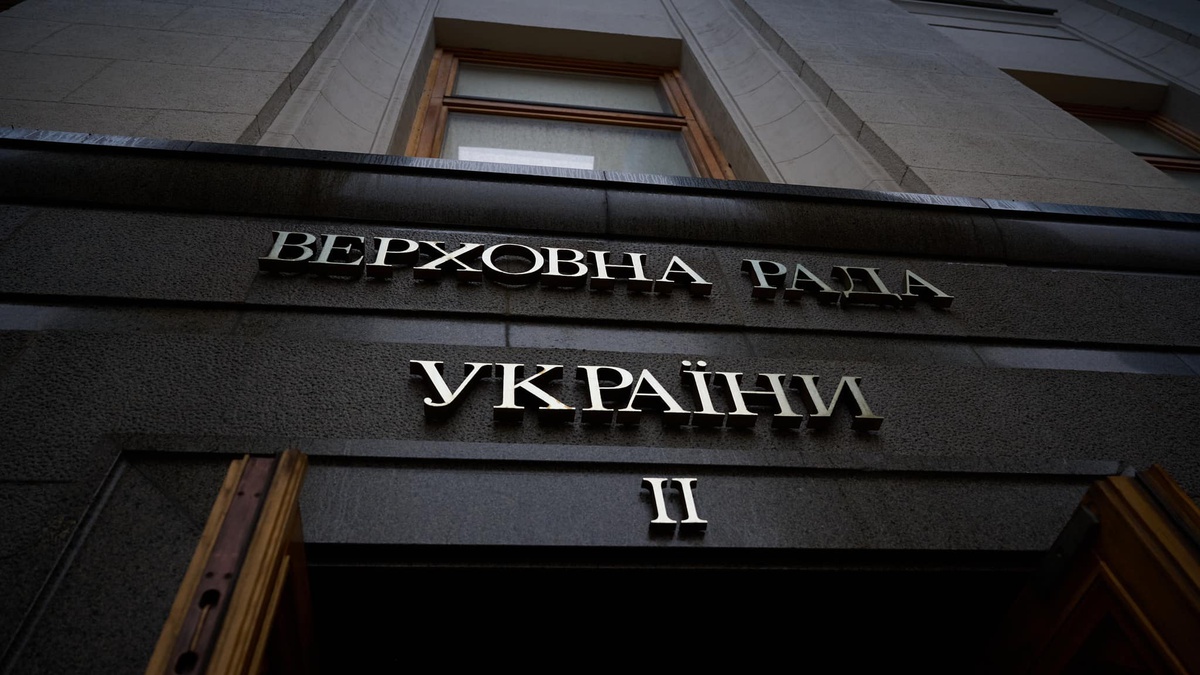
The rise of the AfD: The all-or-nothing party
The AfD is riding high after its latest electoral triumph in Saxony-Anhalt. But one question remains: does the party actually want to govern?

On September 6, the far-right Alternative for Germany (AfD) party secured the largest share of votes in Saxony-Anhalt, failing to achieve an outright majority. The party's central goal is to govern independently, avoiding coalition agreements with other parties. This stance has led to a more extreme political outlook, rejecting collaboration with established parties and adopting a confrontational tone towards them.
Despite a more conciliatory stance shown by the party's emerging star, Ulrich Siegmund, senior AfD members resumed their attacks on potential coalition partners, the Christian Democrats (CDU) and the Sahra Wagenknecht Alliance (BSW). The AfD's leader has dismissed the CDU as a political objective to destroy, while BSW's leader, Sahra Wagenknecht, has been open to discussions.
However, the AfD has maintained a firm stance, even without a majority, to pursue its radical agenda.
Written by urgent.news from DW News's reporting — not their text. Machine-written — may contain errors; check the original before relying on it.