The Rise of Parasite Authors
First, AI stole their books. Now it’s stealing their readers.
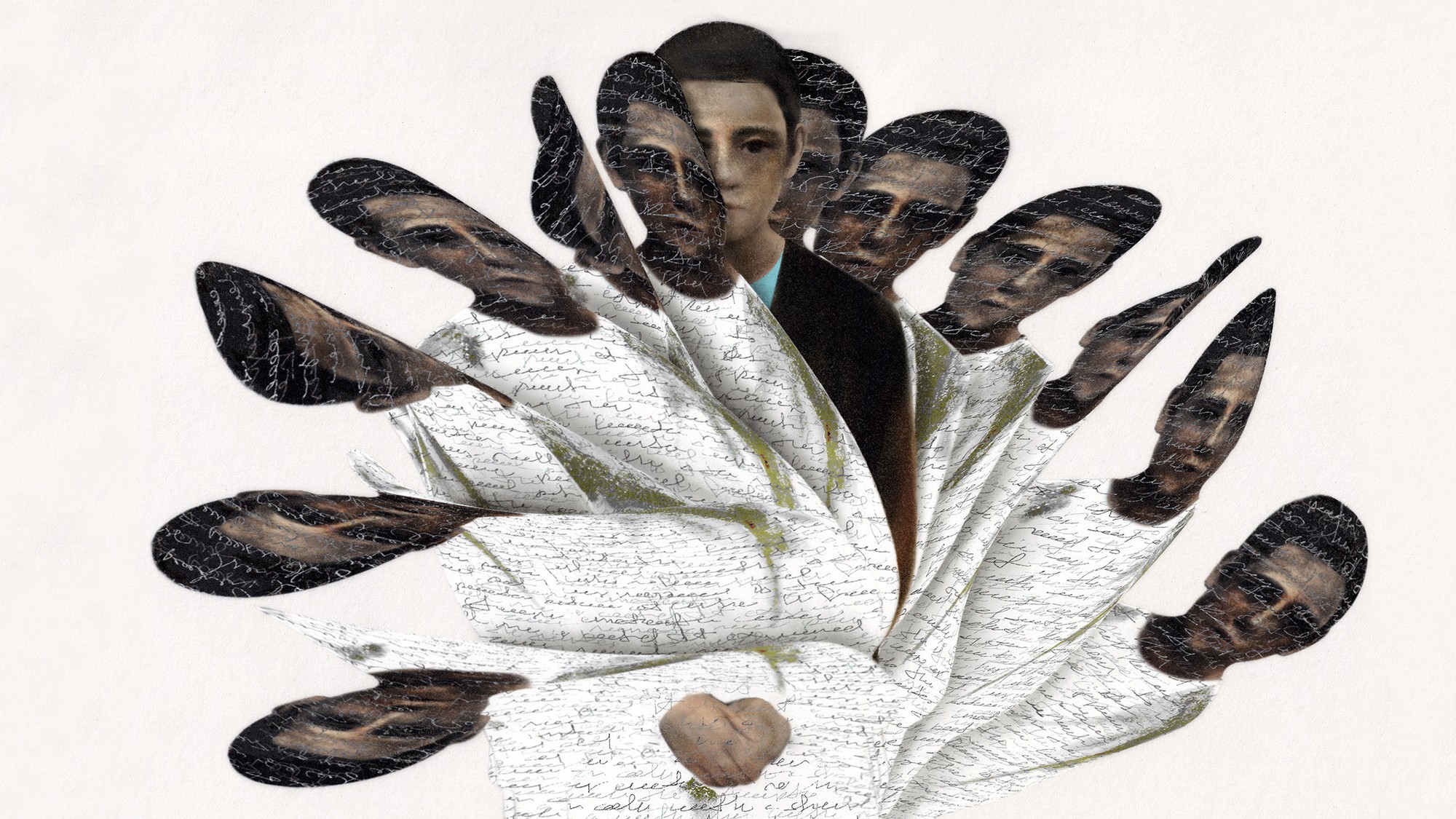
In an era where artificial intelligence is increasingly used to generate content, concerns are rising among independent authors about the proliferation of AI-generated books masquerading as their own work. One such author, Tamra Westberry, discovered a book bearing one of her names and featuring character names she'd used before, complete with translations in multiple languages.
After reporting the issue to Amazon, the company removed the book from her profile within a week, but not before it had already been purchased by some of her fans and received negative reviews.
This issue is not isolated to Westberry; many authors across various genres have reported similar experiences. They've noticed AI-generated listings appearing on their Amazon author pages, often in genres different from their own or with designs echoing their existing books. In some cases, these parasitic books have even been published with the names of established authors, exploiting their fan bases and generating revenue for the AI creators.
The problem is particularly acute on Amazon, which groups works with the same byline into a unified profile. This automatic system makes it difficult for authors to monitor their pages and address the issue, leading to a "whack-a-mole" game where they must constantly delete new listings. Amazon maintains that it takes measures to prevent, detect, and remove content that violates its guidelines, but authors feel they have little recourse.
The issue predates the widespread use of AI for content creation. A decade ago, Stephen King advocated for Amazon to stop associating his works with those of another horror author whose name was confusing fans. However, the sheer number of books now published online, made possible by the accessibility of AI tools, has amplified the issue. Many of these parasitic books are specifically designed to blend in with an author's catalog, fooling both algorithms and buyers.
Authors emphasize that while Amazon typically removes books once they're flagged, obtaining their total removal can be challenging, especially if the author hasn't trademarked their name. Amazon may treat such cases as instances of "name coincidence" and leave the books up even after separating them from the author's profile. For writers, this creates a dilemma - relying on the AI-driven volume of work to stay afloat or dedicating years to creating high-quality content.
Written by urgent.news from The Atlantic's reporting — not their text. Machine-written — may contain errors; check the original before relying on it.