The real reason not to IPO
OpenAI and Anthropic were once essentially research laboratories, running on the thrill of innovation without the pressure of revenue models or Wall Street analysts.
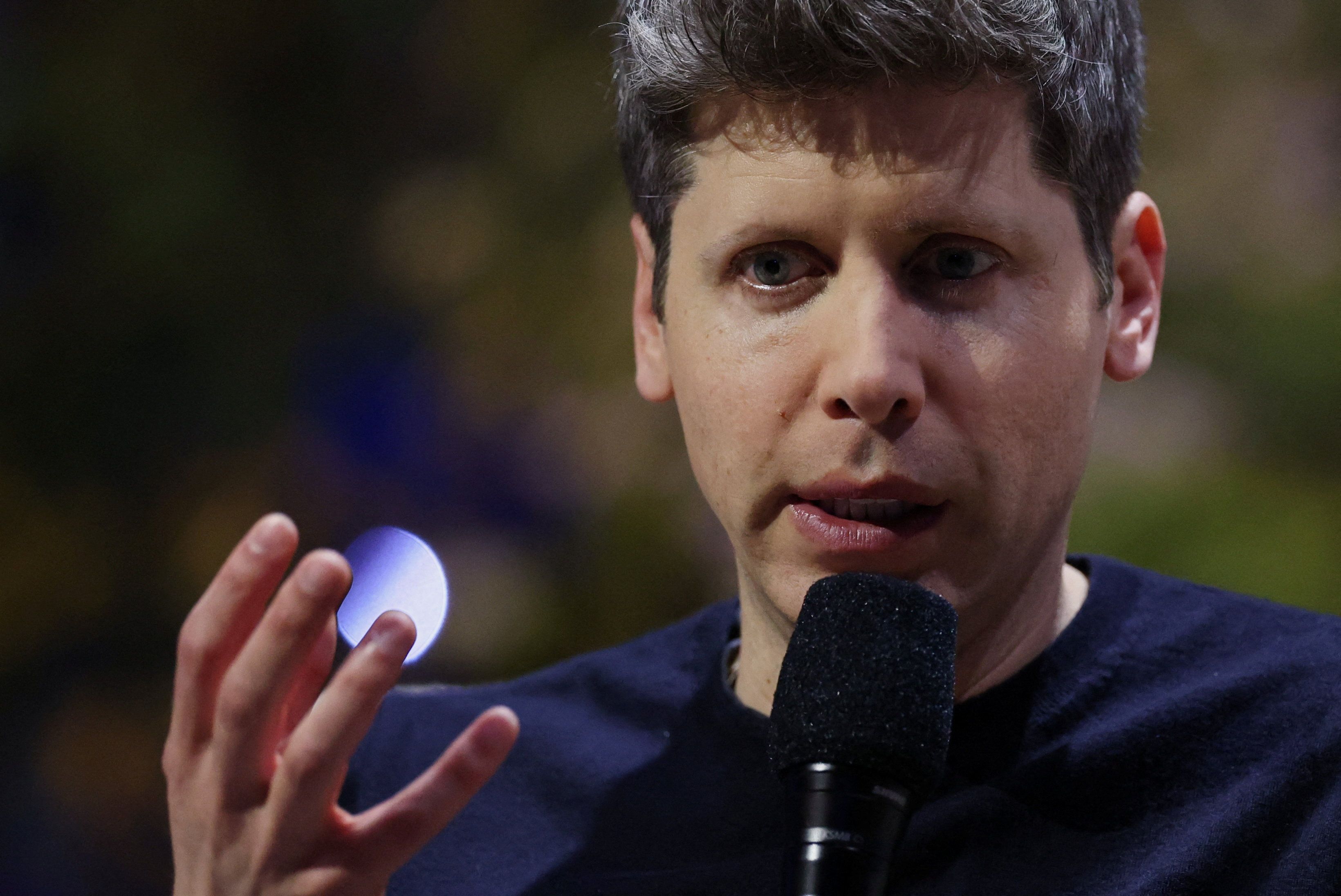
Reed argues that the push for a potential AI IPO, specifically from OpenAI and Anthropic, is misguided. According to him, there's a growing belief among certain circles that the AI doomsday narrative is a coordinated "psyop," but this is not the case. He notes that some key players within OpenAI and Anthropic were taken aback by a recent agreement suggesting a slowdown in AI research.
However, the leaders of these companies have yet to communicate a new strategy, leaving employees uncertain about the next steps. This lack of clear direction is not typical of startups gearing up for an IPO, which often grapples with concerns over the safety and trustworthiness of their products. Therefore, Sam Altman's decision to postpone the IPO to the following year is deemed appropriate.
While OpenAI has been operational for over a decade, its inception was less than four years prior to the reported slowdown, when it released the transformative chatbot. Prior to that, both OpenAI and Anthropic functioned as research labs, driven by innovation without the constraints of revenue or public scrutiny. Comparatively, other Silicon Valley giants like Uber, Airbnb, and Palantir took a decade to go public, with SpaceX even longer, having been founded in 2002.
These companies, resource-rich and operating under intense market pressure, are eager to go public. Similarly, the AI labs, requiring substantial funds for computational resources to develop large language models (LLMs) and address regulatory, safety, and communication challenges, would find it more beneficial to focus on these aspects without the distractions of public stock markets.
Notably, Anthropic's potential IPO aims for a lofty $2 trillion valuation, surpassing SpaceX's record-setting $1.77 trillion IPO.
Written by urgent.news from Semafor's reporting — not their text. Machine-written — may contain errors; check the original before relying on it.