The Malaysia our headlines rarely show
Journalism must report division without becoming consumed by it, and make room for the compassion, dignity and cooperation that also define Malaysia.
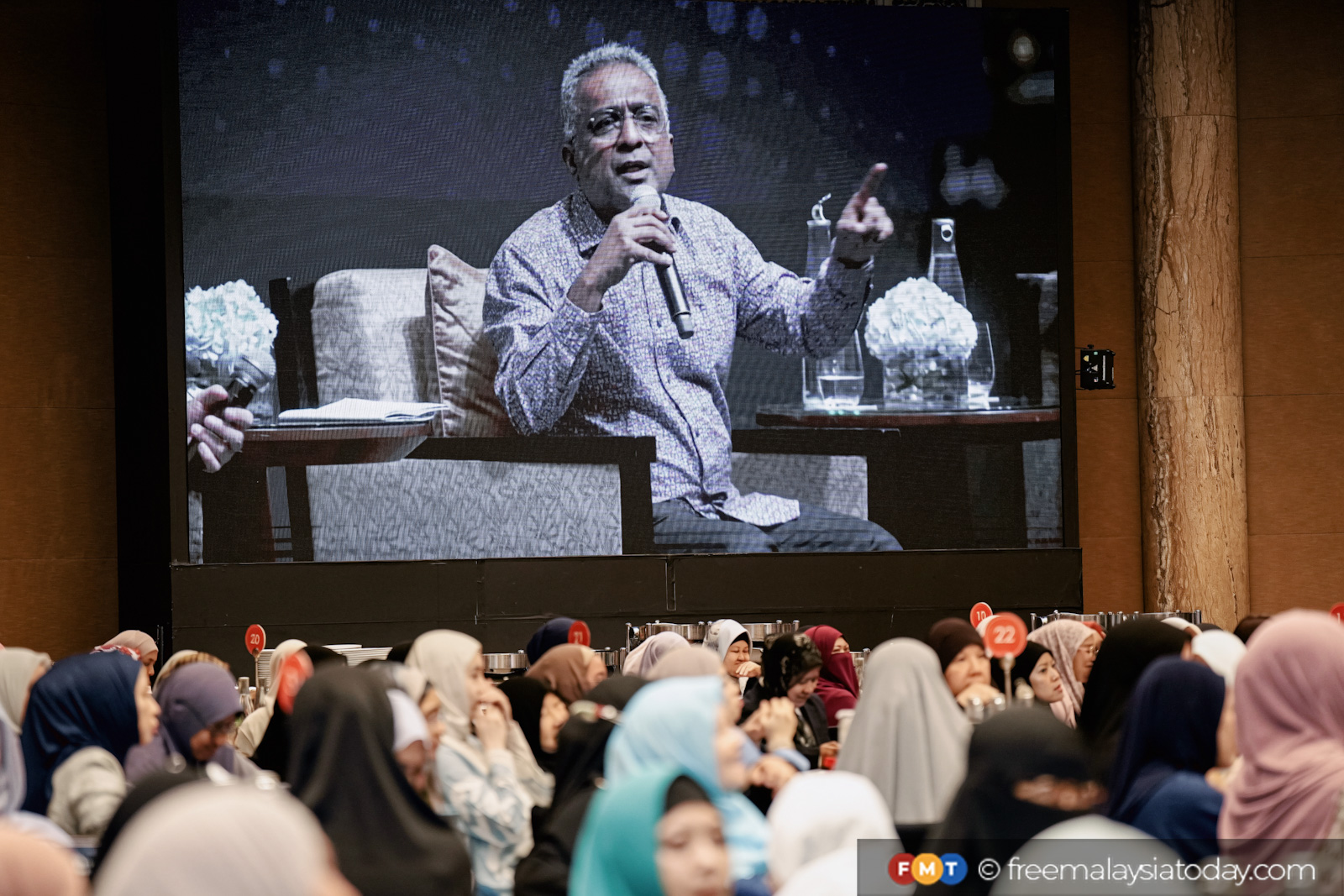
The Malaysian news landscape can often focus too heavily on conflict without portraying the daily lives of its people. This is especially concerning given the potential for race and religion to quickly escalate ordinary disagreements into national disputes. FMT executive chairman Nelson Fernandez spoke at the New Muslim Community Conference about the importance of journalism in reporting race and religion responsibly.
He argued that while conflict is inherent to news due to its drama and urgency, stories should not become the sole narrative. Rather than amplifying contentious issues, journalism should strive to report the difficult truth without letting the difficulty overshadow the story. Digital media amplifies this instinct and creates a temptation to stay in the argument for its audience appeal.
However, journalism must also decide what happens next after an argument intensifies. Should newsrooms dig into the conflict further, or seek to establish what happened, add missing context, verify claims, and provide the information necessary for people to understand the issue rather than merely react to it? This tension between truth-seeking and harm minimisation is not unique to Malaysia.
Mature media systems around the world have grappled with balancing the public's right to know against the potential harm caused by inaccurate or careless reporting. The Society of Professional Journalists emphasizes verification, context, responses to allegations, avoidance of stereotyping, and corrections. Similarly, Australia's Press Council warns against allowing individual actions to become judgments on entire communities.
Ofcom in Britain stresses that due impartiality does not mean equal weighting of all arguments, but appropriate weighting based on evidence and context. For Malaysia specifically, before putting race or religion into a headline, newsrooms must be able to answer the question of whether it is relevant, accurate, and necessary to understanding what happened.
This distinction also protects journalism from confusing fairness with false equivalence. Scrutinising institutions without stereotyping is crucial. FMT's reporting on Tabung Haji demonstrates this principle, where religious significance does not exempt an institution from legitimate questioning, but scrutiny must not become hostility towards the faith associated with it.
Saifuddin Abdullah's response adds that Malaysians should move beyond mere tolerance to understanding and celebrating differences. While tolerance means learning to live with people we do not understand, respect requires effort to genuinely understand them. Journalism can help prevent difference from becoming caricature by fostering diversity in the newsroom, where journalists notice cultural sensitivities, question headlines, verify translations, and check whether an individual's conduct could wrongly reflect on an entire community.
This diversity in editorial work creates space for challenge without hostility and disagreement without division. In the wider media environment, social and video platforms have become major news gateways, but they generally lower trust in news compared to traditional sources. When anyone can publish, journalism's scarce commodity is credibility, especially in the age of artificial intelligence that can produce convincing AI-generated content.
The Society of Professional Journalists is proposing a major revision of its ethics code to strengthen guidance on verification, misinformation, and AI-generated material. Ultimately, the future may belong to the organization people trust to tell them what actually happened, rather than the one that is first to report an event. This highlights the importance of building trust in journalism, starting with the little girl's story, which illustrates unity through understanding rather than stereotyping.
Written by urgent.news from Free Malaysia Today's reporting — not their text. Machine-written — may contain errors; check the original before relying on it.
This story
This is one outlet's version. Read the fullest account.
- The Malaysia our headlines rarely show freemalaysiatoday.com