Scientists trace half the DNA in Xinjiang’s oldest tombs to Yellow River farmers
Nestled between the Tianshan Mountains and the Gobi Desert, the Hami oasis in Xinjiang Uygur autonomous region is a land of little rain, battered by wind and sand year-round. It is also home to the region’s oldest known burial site, the Tianshanbeilu cemetery, located around 500km (310 miles) east of Urumqi, the regional capital. More than 700 Bronze Age tombs have been unearthed here, long…
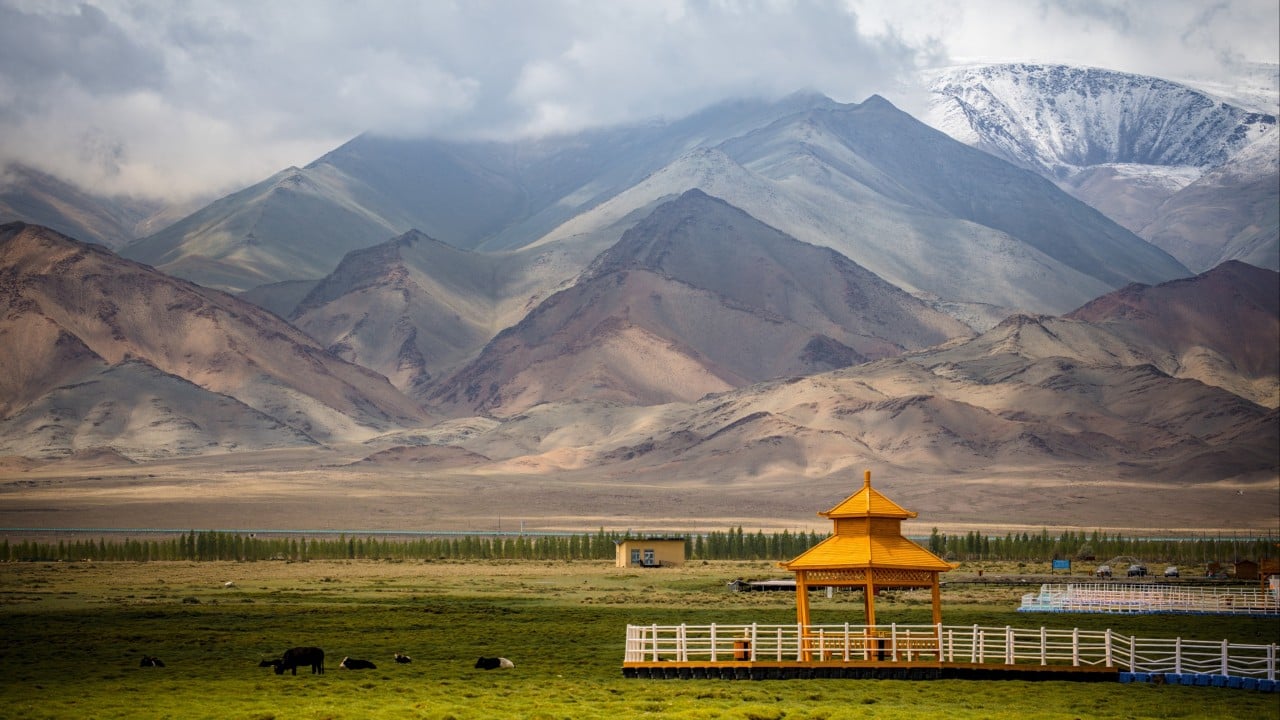
The Hami oasis in Xinjiang Uygur autonomous region, situated between the Tianshan Mountains and the Gobi Desert, is home to the oldest known burial site in the region, the Tianshanbeilu cemetery. Here, more than 700 Bronze Age tombs, dating back 3,000 to 4,000 years, have been discovered. Initially thought to be inhabited by Eurasian nomads migrating eastward from the steppes, a recent study in the journal Science has revealed a genetically mixed population living in the eastern Tianshan region 3,600 years ago during China's Shang dynasty (1600-1050BC).
Approximately half of this population's ancestry can be traced back to the Yellow River's millet-farming groups from the Middle and Late Neolithic period (4000-2000BC), while the other half originated from Chemurchek-related populations in the Altai and Dzungaria regions. This genetic mixing occurred nearly 1,800 years before the historic Silk Road, indicating a deep prehistoric foundation for trans-Eurasian mobility and exchange.
Written by urgent.news from Reuters Business via SCMP's reporting — not their text. Machine-written — may contain errors; check the original before relying on it.
This story
This is one outlet's version. Read the fullest account.