Scientists have discovered a brand new species of wild cat, and it's smaller than yours
Dubai: Scientists have formally identified a new species of wild cat native to Bolivia, marking the first time in more than a hundred years that a living feline species has been described by researchers. The animal, named Leopardus tilcayo after the name used for it by local communities, was detailed in a study published in the journal Current Biology. A cat smaller than most house cats Leopardus…
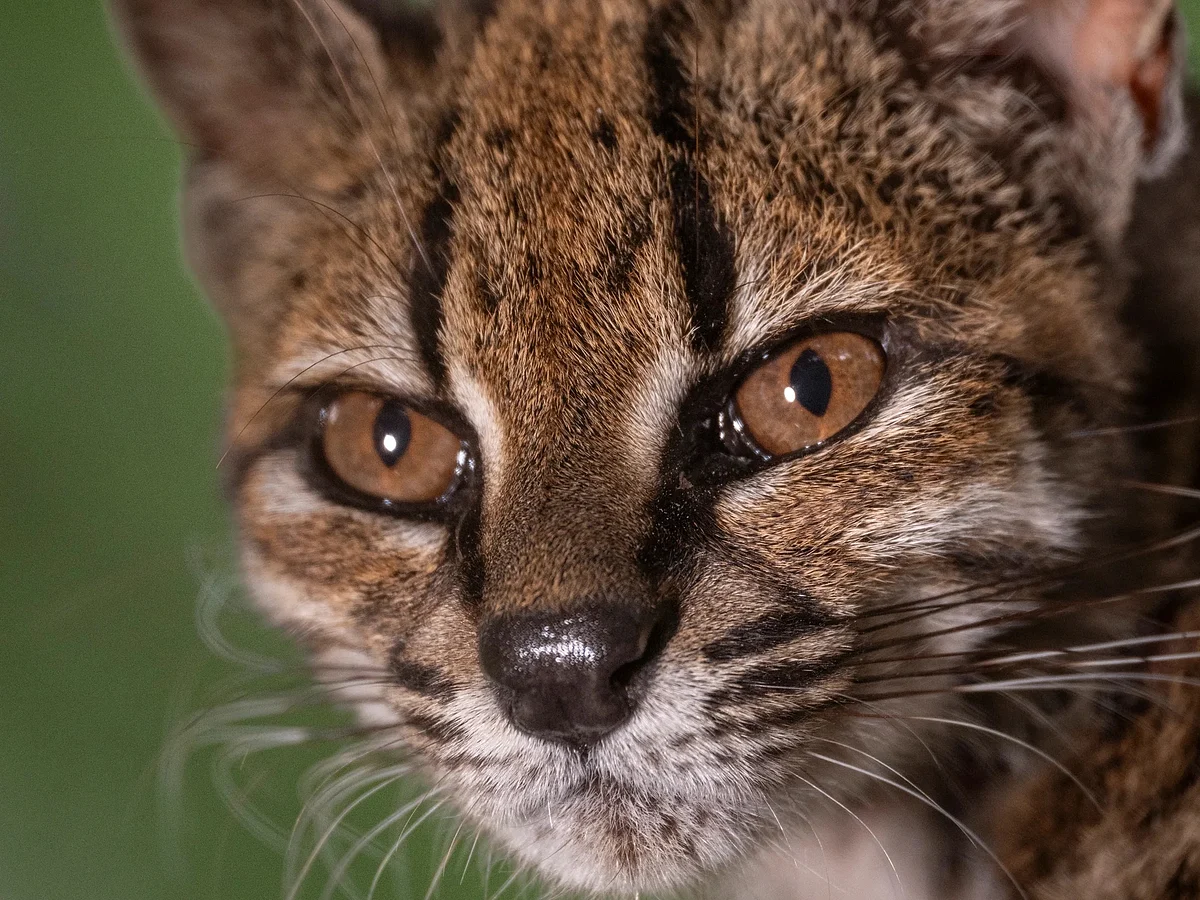
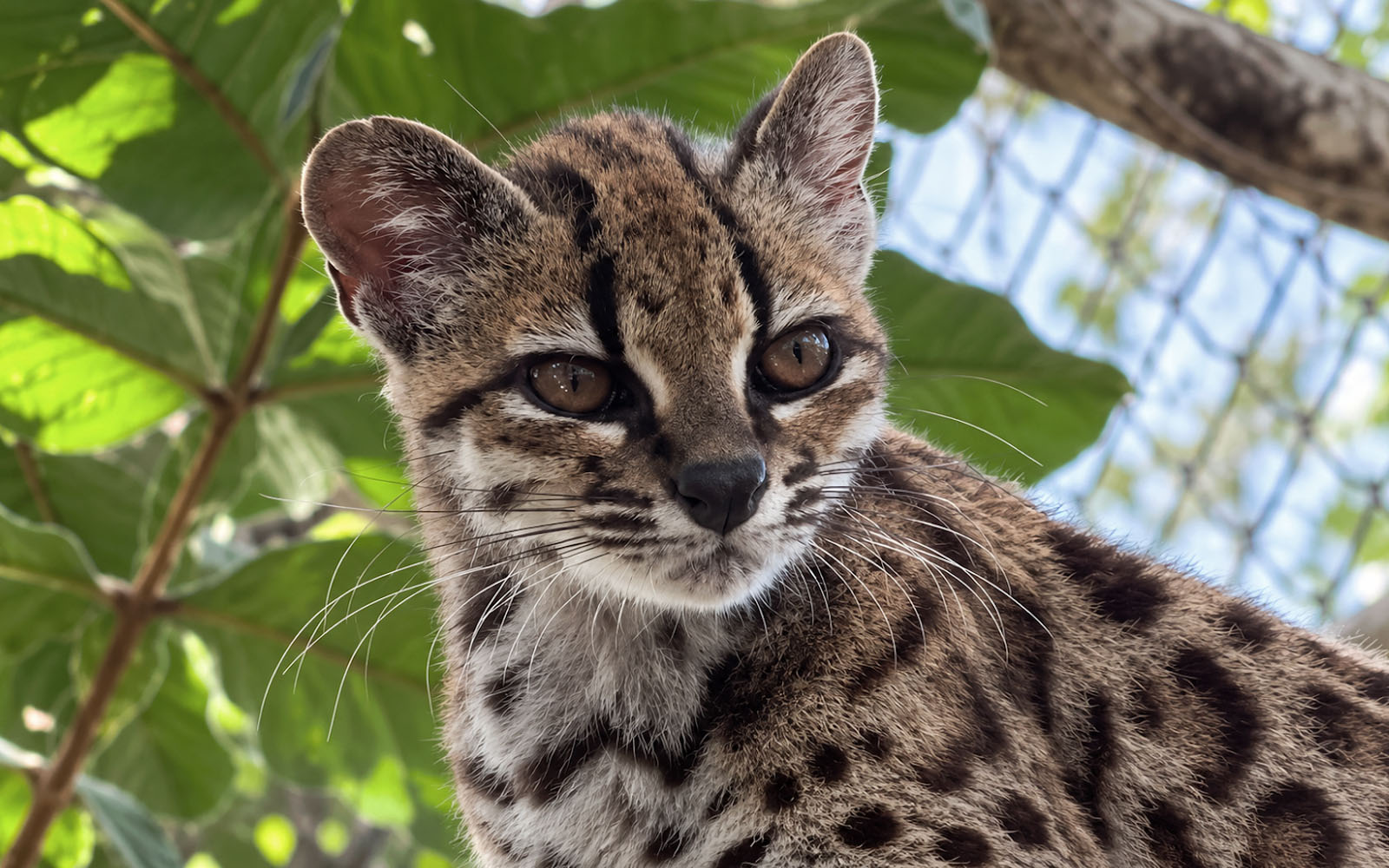
Scientists have officially identified a new species of wild cat in Bolivia, marking the first time in over a century that a living feline species has been discovered by researchers. The new cat, named Leopardus tilcayo after the name used by local communities, is smaller than typical house cats. It measures around 46 centimetres in length, with a 25-centimetre tail, and weighs between 1.5 to 2 kilograms.
Its coat is light brown, marked with irregular dark rosettes, resembling a miniature leopard. The species resides in Bolivia's Yungas cloud forest, a region where the Andes meet the Amazon basin and hosts numerous unique species. The discovery came from a single animal that arrived at a wildlife refuge in 2017, after being kept as a pet by a local family.
Researchers initially doubted the new species based on its appearance but confirmed it through genetic analysis, which revealed that the previously assumed single tiger cat species actually comprises at least five distinct species. The finding fills a significant gap in wildlife biology, as the last new living cat species was identified in 1923.
The two known living individuals of Leopardus tilcayo provide limited insight into its biology, behavior, population, range, and conservation status, leaving much for scientists to uncover about this previously unknown species.
Written by urgent.news from Gulf News's reporting — not their text. Machine-written — may contain errors; check the original before relying on it.