Saudi oil pipeline closure puts Asia’s economic resilience to the test
Asian economies heavily dependent on imported energy are facing an even sharper squeeze after the shutdown of Saudi Arabia’s East-West pipeline removed a key escape route from the disruption in the Strait of Hormuz, deepening an energy shock that has already pushed crude oil above US$100 a barrel. Analysts said the loss of that bypass would hit Asian refiners first before feeding through to…
The shutdown of Saudi Arabia's East-West pipeline is causing concern among Asian economies that are heavily reliant on imported energy. This energy shock has already pushed crude oil prices above US$100 a barrel. Analysts predict the loss of this bypass route will initially impact Asian refiners before affecting inflation, currencies, and economic growth throughout the region.
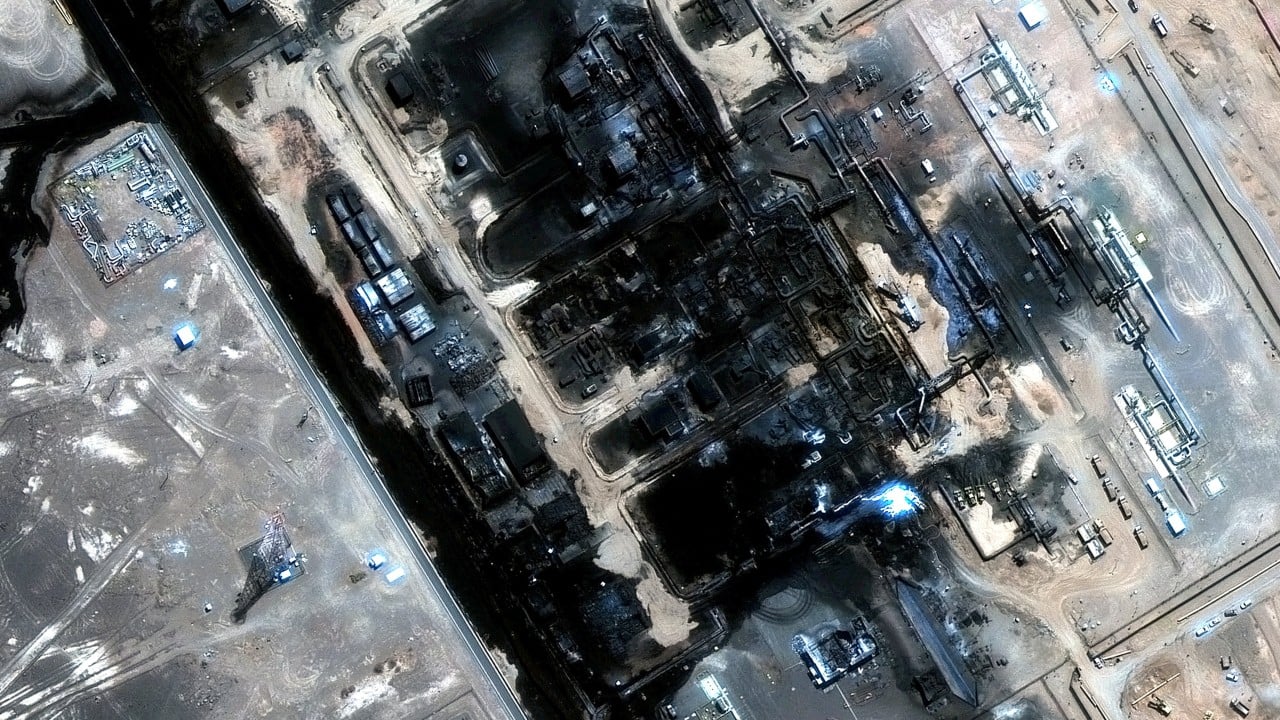
Saudi Arabia, the world's largest oil exporter, confirmed the pipeline closure as a precautionary measure following an attack last week, but did not disclose details on the extent of the damage or a restart timeline. The closure leaves Saudi Arabia with fewer options to transport crude to Asian buyers, raising the risk of delayed or reduced deliveries if the outage persists.
While the reduction in flows through the Bab el-Mandeb strait may be partially offset by already loaded vessels and non-Saudi traffic, the overall impact on Asian oil refiners is expected to be significant. Asian oil refiners, particularly those in China and India, are most directly affected by this disruption. These countries have been instructed to lift September barrels from Yanbu, while alternative routes are being used by Japanese and South Korean customers.
Countries in Southeast Asia, such as Thailand, the Philippines, and Vietnam, are particularly vulnerable due to their high dependence on imported energy. The slowdown in economic growth in these regions is expected to be gradual, with the main concerns being higher inflation, weaker consumption, and increased fiscal pressures.
Written by urgent.news from South China Morning Post's reporting — not their text. Machine-written — may contain errors; check the original before relying on it.