Safer chemotherapy for penile cancer: Tata Memorial trial finds new treatment
A recent clinical trial conducted at Mumbai's Tata Memorial Centre has revealed that a new combination of chemotherapy drugs may provide safer treatment options for high-risk penile cancer patients. Penile cancer, which accounts for less than 1% of all male cancers worldwide, typically begins in the skin or lining of the penis and is most often squamous cell cancer.
Early diagnosis and treatment are crucial, as the disease can spread to lymph nodes in the groin if left untreated. In the study, called BACuP, researchers compared the effectiveness of paclitaxel versus 5-FU (fluorouracil), both used in combination with a platinum drug. The trial included 49 men who had undergone surgery for penile cancer that had spread to lymph nodes and had at least one high-risk feature.
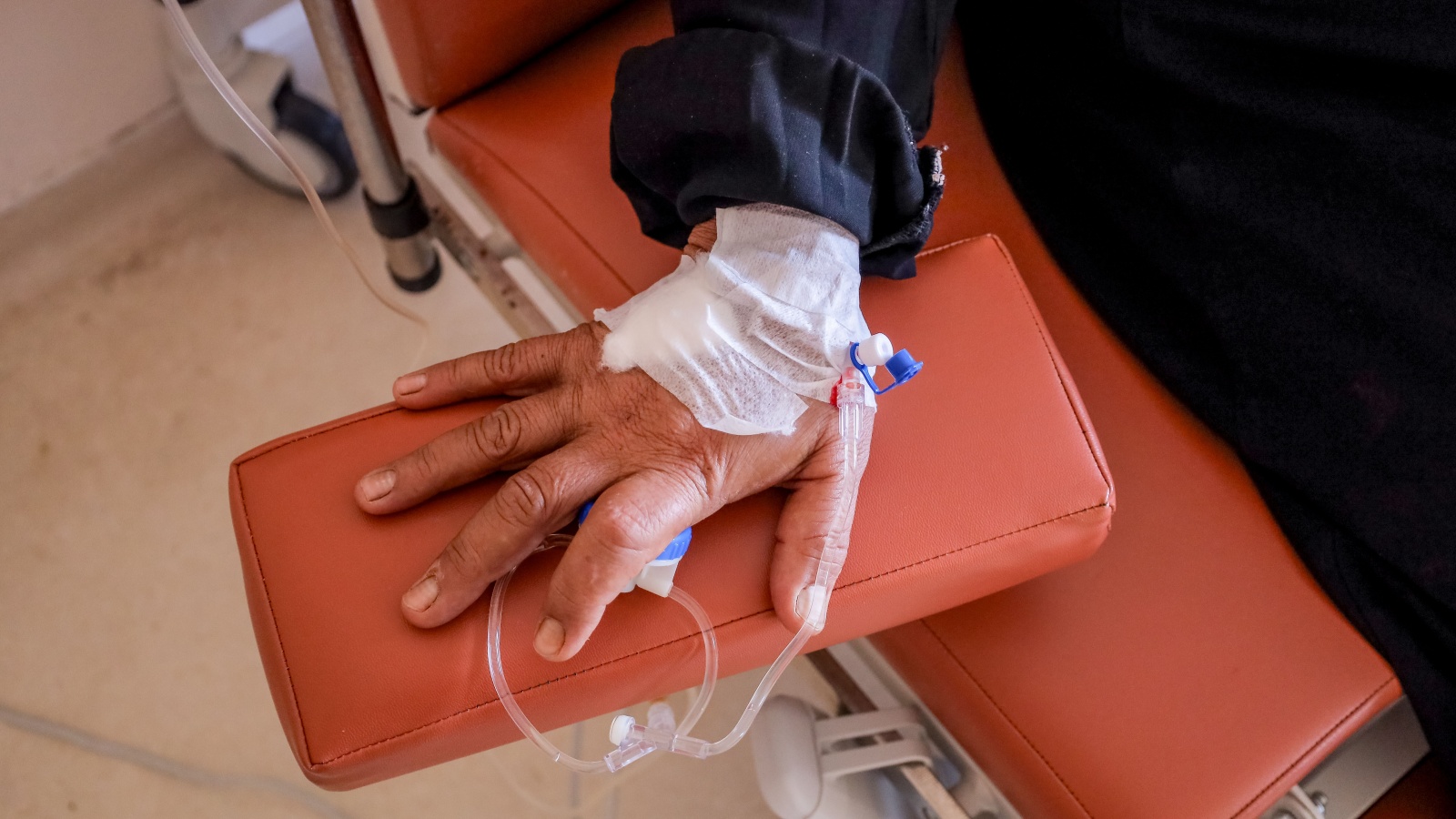
Patients in the paclitaxel group experienced fewer serious side effects, such as blood-related issues, digestive problems, and hospitalizations, compared to those receiving 5-FU. Paclitaxel was also more convenient to administer, as it could be given in a day-care or outpatient setting rather than continuously through a vein for several days.
Additionally, more patients in the paclitaxel group completed all four planned rounds of treatment. While the study found that paclitaxel-platinum was safer and resulted in fewer side effects, longer remission periods, and higher treatment completion rates, it was too small to definitively prove whether paclitaxel was more effective at preventing cancer recurrence or improving overall survival.
The researchers emphasized the importance of early diagnosis in managing penile cancer, as the disease is rare and treatment options are limited due to a lack of high-quality evidence.
Written by urgent.news from The Indian Express's reporting — not their text. Machine-written — may contain errors; check the original before relying on it.