Russland: Wie Putin seine Zwei-Drittel-Mehrheit bei der Duma-Wahl sichert
Seit mehr als 20 Jahren heißt der Wahlsieger in Russland Wladimir Putin – das wird auch bei der Duma-Wahl so sein. Trotzdem ist der Kreml nervös.
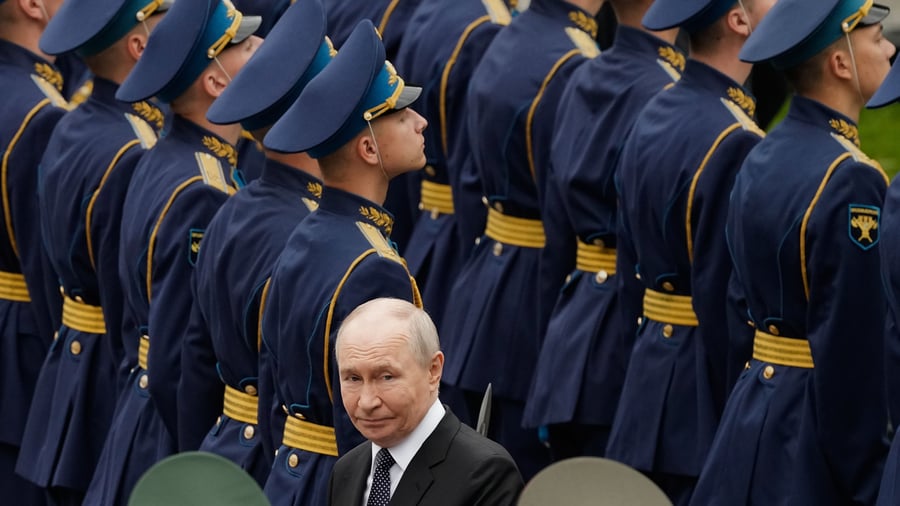
In an unprecedented move, Russian President Vladimir Putin secured a two-thirds majority in the upcoming Duma elections, held between September 18th and 20th. This crucial vote elects 450 deputies to the Duma, 39 regional parliaments, and eleven governors. Kremlin party United Russia is set to maintain its stronghold, as experts predict they will once again achieve a two-thirds majority in the Duma, allowing President Putin to pass any legislation he desires.
Sabine Fischer, a Russia expert at the Berlin-based think tank Foundation for Science and Policy, warns that the elections have been systematically manipulated since the 2000s, making it easier than ever to falsify results. With the extended three-day voting period, irregularities become more likely. Independent observation and reporting of the elections are impossible in modern Russia.
While the majority of Russians believe their country is on the right path, Putin's approval ratings have plummeted from 85% at the start of the year to 65%.
The election takes place during a critical juncture, as Russian troops have been stuck in eastern Ukraine for four and a half years, suffering significant losses. Meanwhile, Ukraine has been systematically striking back against Russia's economy, causing the destruction of oil refineries, warehouses, and ships, as well as fuel and diesel shortages, and restrictions on internet access.
Economic turmoil and soaring living costs have led to decreasing life satisfaction and heightened concerns about the future. Worries about the war are widespread, and the Kremlin is visibly uneasy.
The liberal opposition party Jabloko experienced a surprising surge in popularity in the summer due to its sole opposition to the war. However, they were swiftly excluded from the elections, leaving no avenue for the anti-war movement. A new party claiming to represent urban, educated voters and promote market liberalism and digitalization, New People, may attempt to capitalize on this opportunity.
However, they have the same slim chance of success as other parties, as the Kremlin has already removed unappealing candidates from the ballot and stifled debate during the campaign to keep opposition turnout low.
Putin's personal crusade against Ukraine is also unlikely to be affected by the election results. The war has effectively turned the election into an "empty ritual," according to Russian journalist Andrey Pertsov in an analysis for the Carnegie Europe think tank. The Kremlin removed undesirable candidates from the ballot and suppressed any debate on contentious issues, such as the war.
Despite this, Putin has repeatedly defended the war, calling it merely "inconveniences" for businesses and "voluntary contributions" to the war effort.
Written by urgent.news from Handelsblatt's reporting — not their text. Machine-written — may contain errors; check the original before relying on it.