Russia paid a recruit to vandalize London mosques and make it look like a homegrown hate crime
A Ukrainian man has pleaded guilty to the attacks. Direct Action UK, a fake British far-right group, then circulated images of the graffiti.
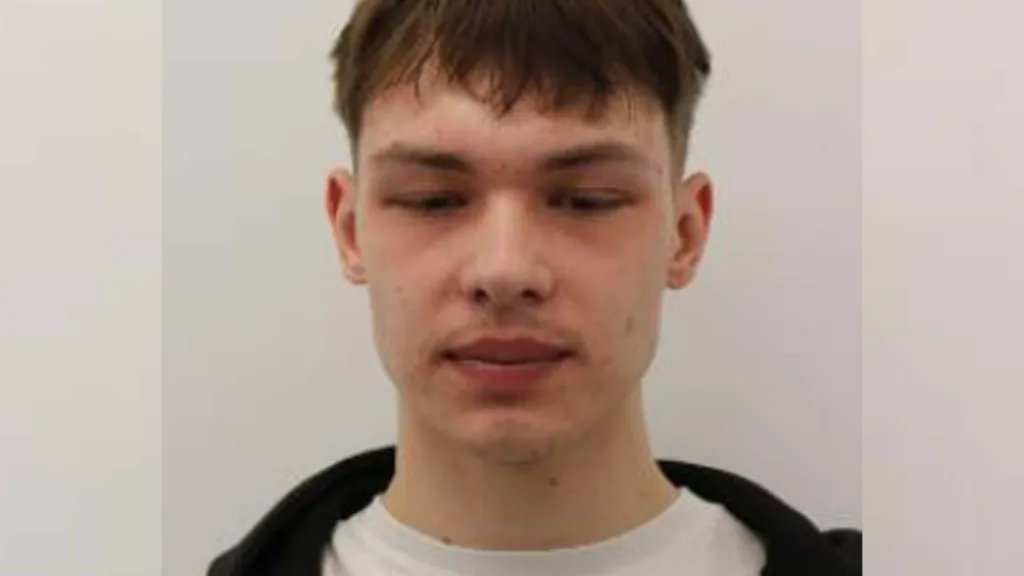
Illia Bilyk, a 21-year-old Ukrainian citizen, pleaded guilty to five charges of racially and religiously motivated damage to property at five mosques in east London, according to the BBC. The BBC and the organization Hope Not Hate connected Bilyk's attacks to a Russian network responsible for arson targeting individuals associated with former UK Prime Minister Keir Starmer.
This network operated under the guise of a British far-right group called Direct Action UK, which recruited individuals via Telegram and disseminated photos of the resulting destruction. The Metropolitan Police discovered that Bilyk spray-painted inflammatory graffiti at three mosques and two other locations on January 23 and 25, 2025.
Subsequently, images of the vandalism surfaced in a Direct Action UK Telegram group. Russian operatives established the Telegram group to mimic a British far-right movement, reported the BBC. Bilyk is set to be sentenced on October 19. The handler, referred to as EL or "El Money," also lured recruits through Telegram groups utilized by Ukrainians in search of employment, as identified by the BBC.
Ukrainian builder Roman Lavrynovych received payment in cryptocurrency and was guided by posters and graffiti before progressing to arson. In May 2025, Lavrynovych set a car ablaze and damaged properties linked to Starmer. No one was harmed during these incidents. Lavrynovych was subsequently sentenced to seven years in prison, alongside Ukrainian-born Romanian national Stanislav Carpiuc.
The BBC identified EL as Yevgeny Lyukshin, a 23-year-old Russian diplomat and son of a high-ranking Foreign Ministry official, based on matching personal details, his involvement in the Direct Action UK chat, familial ties, and training in information warfare from Rybar, a sanctioned pro-Kremlin Telegram outlet. However, the BBC could not definitively confirm that Lyukshin was indeed EL, while British police stated they had no evidence to suggest the attacks were state-sponsored.
Lyukshin did not comment on the matter. The Russian Embassy denied any affiliation between Russia or its Foreign Ministry and illicit activities. Recruiting local individuals to carry out Russia-linked attacks gives the appearance of a homegrown operation. This London case is part of a series of similar incidents across Europe and other regions.
UK intelligence has cautioned that Moscow is increasingly relying on non-state actors, such as hired civilians and criminals outside its formal services, for intelligence gathering, sabotage, assassination, and information operations. This month, US prosecutors accused another Russian network of recruiting local residents for surveillance, sabotage, and murder-for-hire.
Written by urgent.news from Euromaidan Press's reporting — not their text. Machine-written — may contain errors; check the original before relying on it.