Punjab advises starting winter vegetable cultivation
LAHORE: The Punjab Agriculture Department has advised people to start preparing for winter vegetable cultivation in September and October, saying a well-planned kitchen garden can provide fresh vegetables for household consumption through the winter months. According to the department’s spokesperson, winter vegetables generally remain productive until February or March and include cauliflower,…
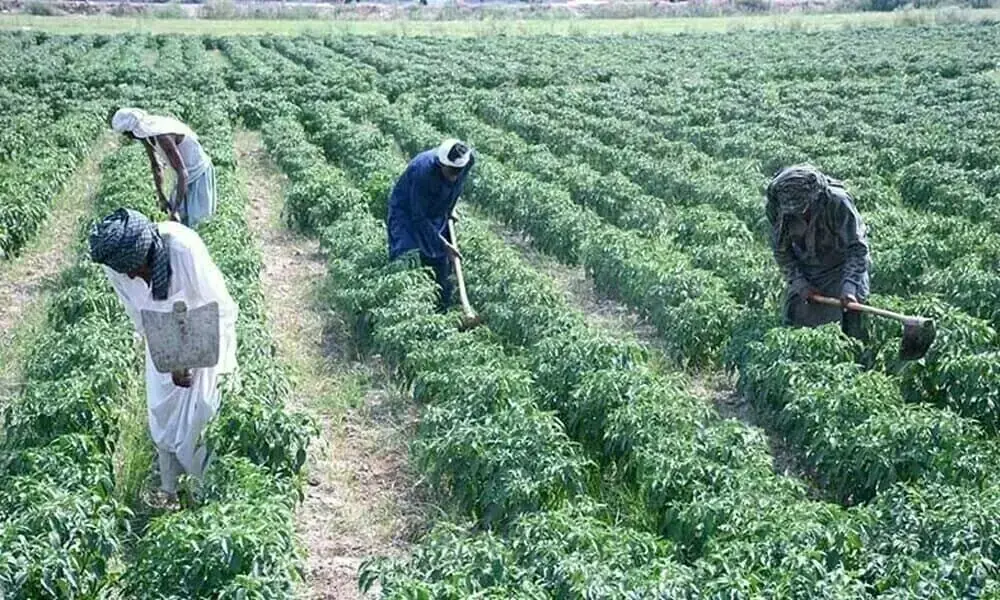
Punjab’s Agriculture Department has recommended residents initiate winter vegetable cultivation in September and October, emphasizing that a well-planned kitchen garden can supply fresh produce throughout the winter season. Winter vegetables remain productive until February or March, encompassing cauliflower, cabbage, potato, onion, lettuce, radish, turnip, peas, carrot, spinach, fenugreek, coriander, and garlic.
The department highlighted that cauliflower, cabbage, broccoli, onion, and lettuce are typically cultivated via seedlings, while radish, turnip, carrot, spinach, fenugreek, coriander, peas, and garlic are sown directly into the soil. They advised growers to choose a location receiving a minimum of six hours of sunlight daily, while shaded areas could be utilized for leafy vegetables like coriander, mint, spinach, and lettuce.
The spokesperson suggested measuring the designated area before planting to ascertain the necessary seed and fertilizer quantities. While certain vegetables such as coriander and mint can satisfy household requirements from a modest space, other crops necessitate more area. Gardeners should also devise a straightforward layout beforehand, delineating the vegetables to be planted, row spacing, plant-to-plant distance, and fertilizer requirements.
This, the department asserted, would facilitate soil preparation and efficient crop management. For winter cultivation, vegetable rows are ideally aligned north to south to optimize sunlight exposure. The department further advised growers to erect protective fencing around kitchen gardens to deter domestic animals like chickens and rabbits.
To safeguard peas and other vegetables from birds such as parrots and sparrows, growers can attach brightly colored strips around the cultivated area, which can help dissuade birds from entering the garden.
Written by urgent.news from Business Recorder's reporting — not their text. Machine-written — may contain errors; check the original before relying on it.