Pentagon leadership churn in focus as NATO military chiefs meet
A wave of departures has left gaps in US military leadership as the Pentagon reviews American troop deployments in Europe and faces pressure on key weapons stockpiles.
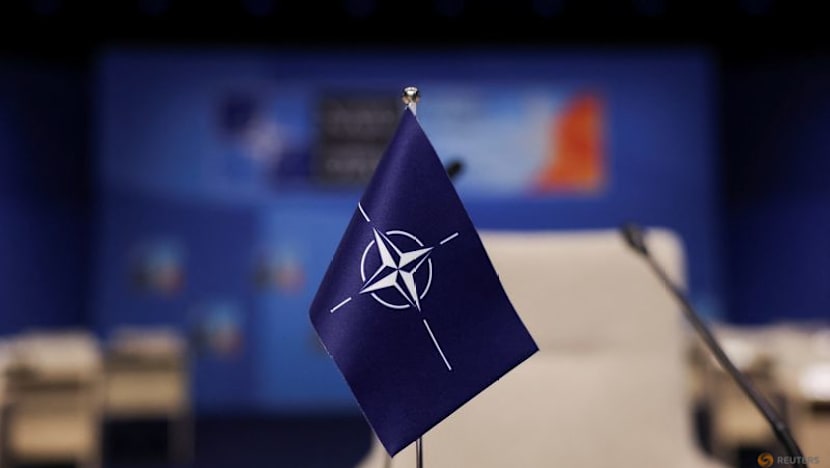
Recent personnel changes have created a leadership vacuum within the United States military, amid concerns over troop deployments in Europe and pressure on key weapons stockpiles. This development coincides with NATO military chiefs convening in Copenhagen, prompting questions about US military leadership and its implications for allies. The week-long talks will cover NATO's collective defense, innovation, and support for Ukraine.
Since Defense Secretary Pete Hegseth assumed office in early 2025, over two dozen senior Pentagon officials have departed or been removed, including former Army Chief of Staff General Randy George and Gen Charles Brown Jr., the Joint Chiefs of Staff chairman. These changes raise concerns among US adversaries about the stability of Washington's decision-making. Russian state media may exploit the leadership turnover to portray the US administration as unstable and undermining its role.
European allies are monitoring the situation closely, as the Pentagon evaluates its troop presence in Europe, with around 80,000 American soldiers currently stationed there. The potential reduction in US forces is a point of contention among NATO members. Additionally, the US military is facing scrutiny over its weapons stockpiles, with CNN reporting that nearly 80% of its THAAD interceptor stockpile and roughly half of its Patriot interceptors have been depleted since the Iran conflict began.
Hegseth has contested these figures, while Ukraine faces a severe shortage of Patriot interceptors in its ongoing conflict with Russia.
Analysts suggest that the leadership churn may not have as significant an impact as initially feared, as major policy decisions are still driven by the US president. However, the turnover of officials who were not fully aligned with the president's agenda could ultimately benefit the administration. The US and its allies must now navigate the complexities of managing leadership changes while addressing competing military demands in Europe, Asia, and beyond.
Written by urgent.news from Channel News Asia's reporting — not their text. Machine-written — may contain errors; check the original before relying on it.