On This Day: Scotland says “nae thanks” to independence
On 18th September 2014, Scotland voted against 55 per cent to 45 per cent against independence in a referendum that was supposed to settle the question for a generation, writes Eliot Wilson It is firmly within my lifetime that the idea of Scottish independence was a harmlessly quirky cause on the fringes of politics. After [...]
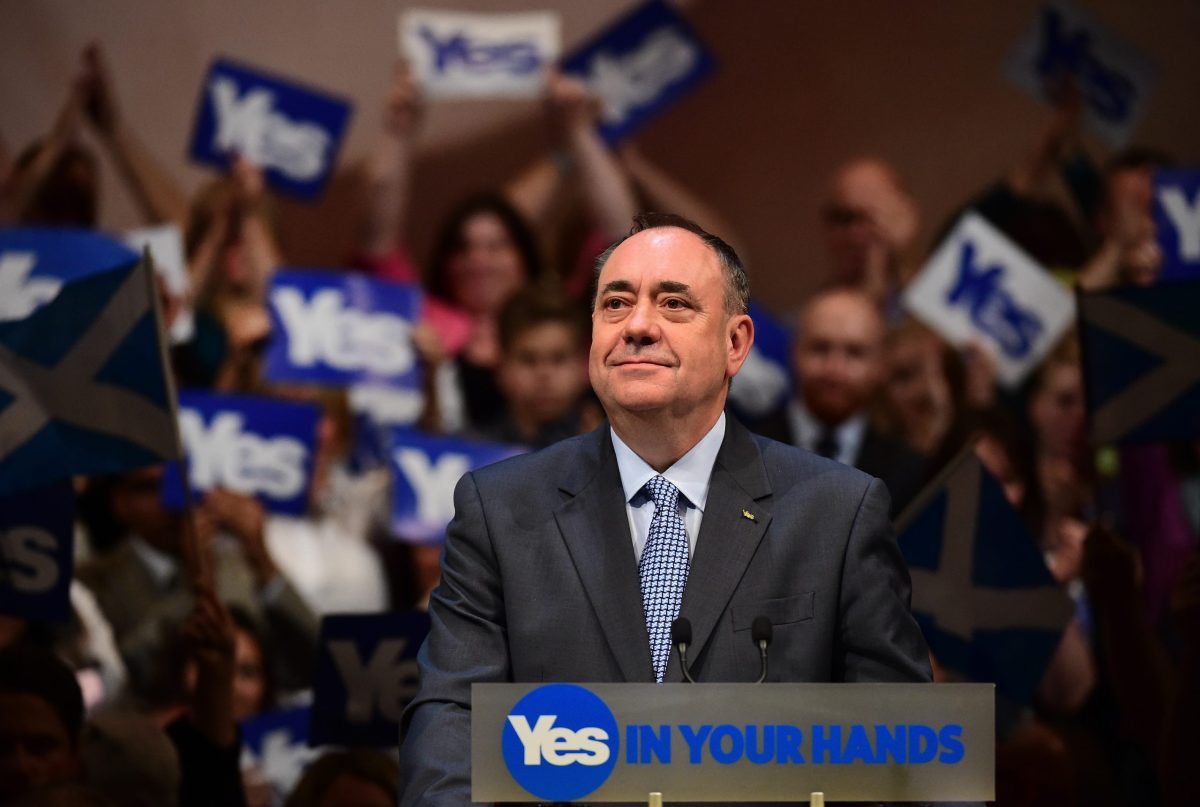
On the 18th of September, 2014, Scotland voted to remain an independent nation with a majority of 55% to 45%, writes Eliot Wilson. The idea of Scottish independence was not always a serious political issue, but rather a fringe cause. The Scottish National Party (SNP) saw a slight increase in popularity in the late 1980s, but the hope of independence faded after the Conservative government of Margaret Thatcher and John Major held power from 1979 to 1997.
The SNP's leader, Alex Salmond, came to power in 1990 and the party began to gain ground. In 1997, the Scottish National Party won more seats in Parliament due to a larger share of the vote, but the devolution of power to Scotland under the Labour government in 1999 ended hopes for independence for a generation. The SNP gained power in 2007 and set the stage for an independence referendum, but the legal restrictions posed by the Scotland Act 1998 limited its efforts.
Despite the odds, the Scottish Government released a manifesto for independence that appealed to emotions and a desire for a fairer and more successful country. The opposition argued for a "Better Together" approach and secured support from other political parties in the "Better Together" campaign. The referendum on Scottish independence was held on September 18th, 2014, and the result was a decisive defeat for the independence movement.
Written by urgent.news from City AM's reporting — not their text. Machine-written — may contain errors; check the original before relying on it.