Most of us don’t get to fly on private jets, but our taxes help fund them
Just a tiny portion of the population flies on private jets, but those jets make an outsized impact on the planet. And though most Americans don’t fly private, they’re helping subsidize those flights through their taxes. That’s according to a new report by the Institute for Policy Studies (IPS), which lays out these impacts of the private jet industry and what it calls the “high cost of private…
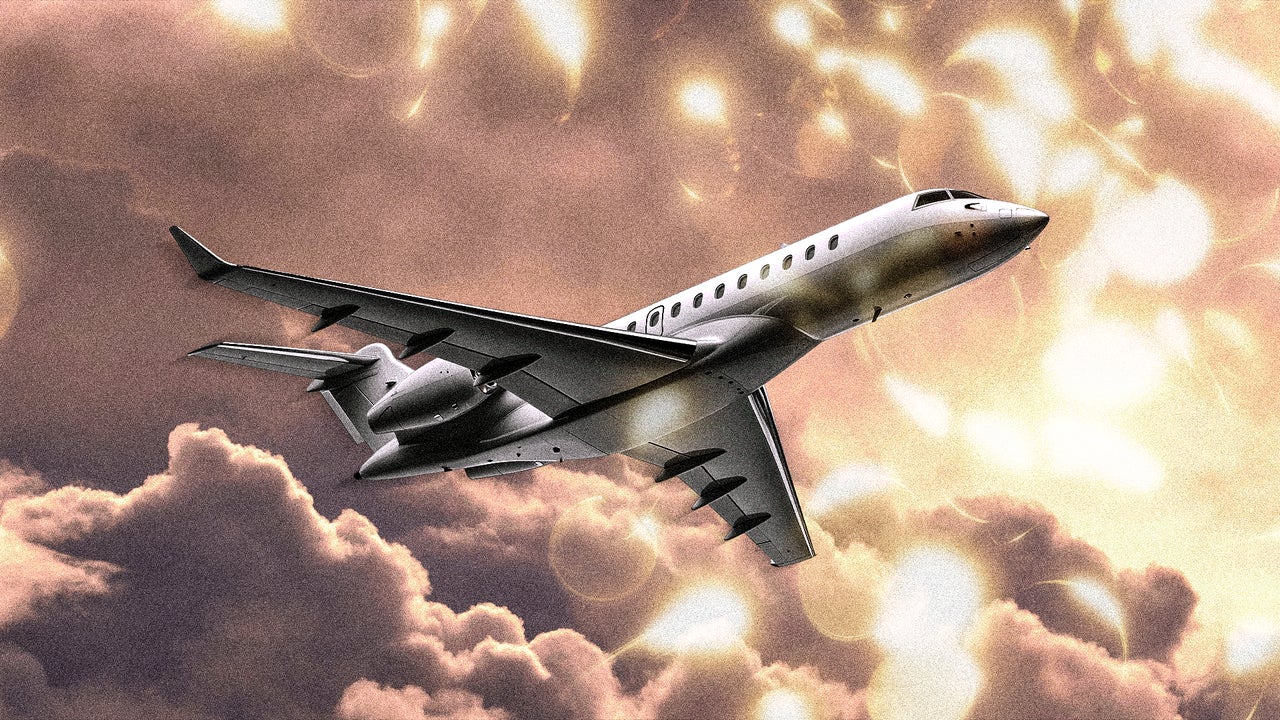
Most people never get the chance to board a private jet, yet their taxes fund these flights nonetheless. According to a recent report from the Institute for Policy Studies (IPS), this is a significant issue. Despite the fact that only a small fraction of the population flies private, these jets have a disproportionately large environmental impact.
A passenger on a private jet emits up to 14 times more greenhouse gases than someone on a commercial flight. This is partly due to the higher altitudes at which private jets fly, creating potent heat-trapping contrails. The report highlights how the U.S., despite housing just 4% of the world's population, hosts more than two-thirds of the world's registered private jets.
Over 65% of all private jet operations occur in U.S. airports, which means U.S. private jet flights produce over half (55%) of all greenhouse gas emissions from private jets. The owners of these jets are not contributing their fair share of taxes. While private jets account for 7% of all air traffic in the country, they contribute less than 0.6% of the taxes that fund the Airport and Airway Trust Fund, vital for maintaining the Federal Aviation Administration (FAA).
Furthermore, these jet owners enjoy the benefits of public infrastructure. Almost a third of all Airport Infrastructure Grants, funded by the Biden administration's Bipartisan Infrastructure Law, were allocated to projects that primarily benefit private jets. This equates to more than $1.13 billion in grant funds. The ALERT Act, which recently passed in the House, includes a provision that would make it easier for private jet owners to dodge state and local taxes on their aircrafts, though it hasn't yet passed in the Senate.
The report underscores how wealth inequality in the U.S. is linked to the prevalence of private jets. Just 256,000 people, or 0.003% of the global population, fly on private jets. Together, their net worth is estimated at $31 trillion, with an average wealth of $123 million. This group also includes fractional private jet owners, a trend that has surged by 65% between 2019 and 2025.
Fractional ownership allows individuals to lease shares of a jet, paying for only the flight hours they need. However, the IPS argues that the rest of us should not bear the financial burden for the luxury of private jet ownership. Report co-author Chuck Collins stated, "The rest of us should not have to pay for the luxury excess of the private jet billionaire class."
The IPS has also launched a Private Jet Emissions Tracker, which measures the carbon footprint of specific private flights at different locations and times. During the 2026 World Cup, this tracker recorded 92,000 private flights, contributing nearly 150 kilotons of CO2, equivalent to the emissions from more than 34,000 cars driving for a year.
Written by urgent.news from Fast Company's reporting — not their text. Machine-written — may contain errors; check the original before relying on it.