Malaysia yang jarang ditampilkan dalam tajuk berita kita
Kewartawanan perlu melaporkan perpecahan tanpa membiarkannya mendominasi, sambil mengetengahkan keprihatinan, maruah dan kerjasama yang turut mencerminkan Malaysia.
Malaysia is a region often overlooked in mainstream news coverage, but it is crucial to report the truth about the country without allowing conflict to become the sole narrative. Conflict is part of news, but it should not be the only story. Kewitnessing tends to focus on conflict due to its dramatic nature, impact, and immediacy.
Digital media further fuels this tendency, with anger spreading rapidly, measured by numbers and extended over time. When a story is under review in a newsroom, another version might already be circulating online, receiving comments and becoming fodder for attacks by those who may not have even read the original report. The urge to stay in the spotlight is strong, as that's where public attention focuses.
However, journalism also needs to determine what should happen afterward. Should we seek another angry voice to keep the spotlight on, or should we determine what is actually happening, provide missing context, challenge accusations, and find information that helps the public understand the issue, rather than just reacting to it?
This dilemma is not unique to Malaysia. Media systems worldwide face the tension between people's right to know and the risk of harm from sensational or distorted reporting. The Society of Professional Journalists in the United States balances truth-seeking with the responsibility to minimize harm, including through fact-checking, context, responding to accusations, avoiding stereotyping, and retracting.
The Australian Press Council states that mentioning a religion, ethnicity, or nationality should be relevant and in the public interest. One's actions should not be used to judge an entire community. Ofcom in the United Kingdom explains that being selective does not mean giving equal weight to every argument; instead, weight should be given fairly based on evidence and context.
There is useful learning for Malaysia. Before mentioning a religion or ethnicity in a news headline, a newsroom must answer a simple question: why is it necessary to mention it? It doesn't matter whether someone might be offended or whether it can attract clicks. But it matters whether the story is relevant, timely, and important for understanding what is actually happening.
This distinction is crucial to ensure journalism does not equate fairness with giving equal weight to unequal arguments. If an argument lacks basis and evidence to the contrary, giving equal prominence to both sides does not necessarily make the report more balanced. Truth without blame must be applied to an entire community. The newsroom should be able to investigate the foundations of government, religious institutions, political parties, or influential individuals without turning the investigation into an attack on all people sharing that identity.
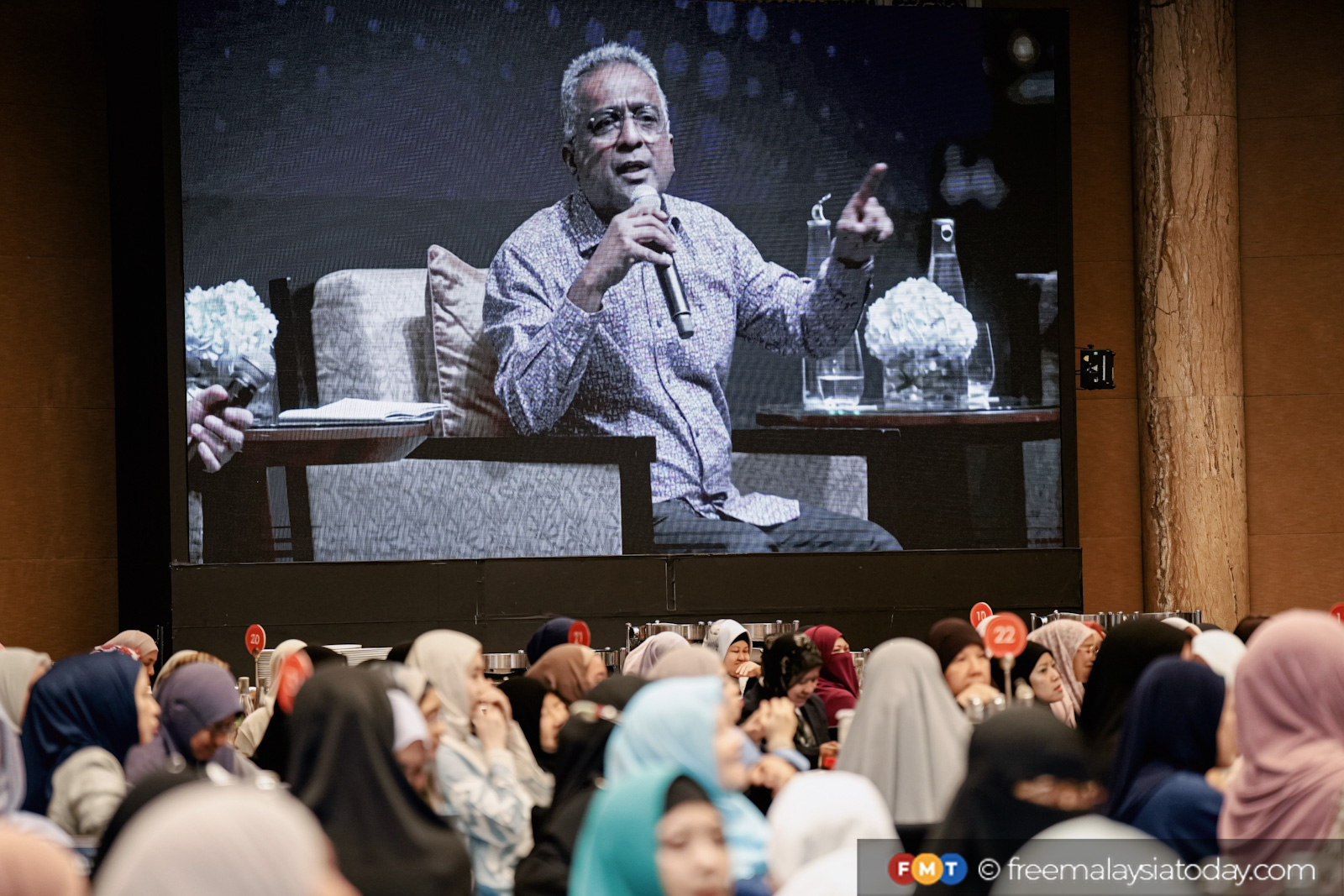
Question the institution, determine the facts, and scrutinize its actions without equating the institution with the religion it is associated with. Parliamentary Member of Parliament Indera Mahkota Saifuddin Abdullah echoed Fernandez's view, emphasizing that Malaysians need to move beyond mere tolerance to understanding and elevating differences.
Small differences can be the foundation for meaningful discussions, with respect requiring us to try to understand each other. Journalism should not celebrate every difference, but it can help ensure differences do not become stereotypes. And this begins in the newsroom. The realization that diverse voices are essential in today's media landscape, as shown by the Reuters Institute Digital News Report 2026, which reveals social and video platforms becoming the primary sources of news for 27% of global respondents, is increasingly important.
However, these groups are generally considered less trustworthy and less credible than traditional media.
Written by urgent.news from Free Malaysia Today's reporting — not their text. Machine-written — may contain errors; check the original before relying on it.
This story
This is one outlet's version. Read the fullest account.
- Malaysia yang jarang ditampilkan dalam tajuk berita kita freemalaysiatoday.com