Lit Hub Daily: September 18, 2026
When formal sex ed is insufficient, can romance novels pick up the slack? | Lit Hub Criticism Janet Manley interviews 2026 Astrid Lindgren Memorial Award Winner Jon Klassen: “I think having kids just really reaffirmed the validity of that time
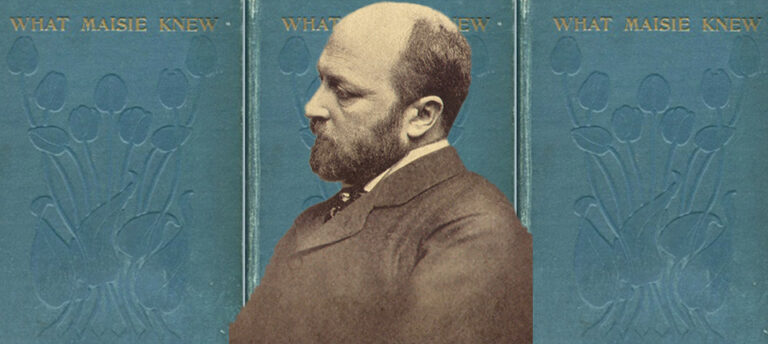
In 1897, Henry James' novel What Maisie Knew saw publication as a standalone book after initially being serialized. This raised questions about the potential for romance novels to fill the gaps left by inadequate sex education. Author Janet Manley spoke with 2026 Astrid Lindgren Memorial Award Winner Jon Klassen, who reflected on how having children reinforced his belief in the significance of those moments. He emphasized the importance of real, everyday experiences that hold value.
Isabel Allende's journey with her novel The House of the Spirits was discussed, tracing its origins back to a letter she penned to her grandfather. The process of transforming personal correspondence into a literary masterpiece was examined. In terms of literary criticism, Emily St. John Mandel's Exit Party, Ben Macintyre's Redwood, Kate Atkinson's Our Noble Selves, and Naomi Klein & Astra Taylor's End Times Fascism were among the most acclaimed books reviewed that week.
These works span a range of genres and topics, demonstrating the diversity within contemporary literature.
Notably, Antonella Lettieri recounted her experience translating Roberta Recchia's debut novel, All That is Left of Life. The challenges and rewards of capturing the essence of a foreign work in a new language were explored. Genevieve Plunkett's novel, The Lonely Girl's Vegetable Patch, offered readers a glimpse into the imaginative world she created. Sophia Kercher delved into the growing fandom surrounding Mona Awad's Bunny, highlighting the power of literature to inspire passionate reader communities.
In an interesting twist, Beth Blum revisited the life of Erich Segal, the author behind Love Story. Segal's academic background and the resulting tension between scholarly and popular tastes were examined, offering readers a historical perspective on the ongoing debate between these two realms. Finally, Eileen Jones considered the recurring presence of Southern Gothic elements in both cinema and literature, examining how these distinct narratives continue to captivate audiences and provoke thought.
Written by urgent.news from Literary Hub's reporting — not their text. Machine-written — may contain errors; check the original before relying on it.