Listen: How brain-machine interfaces could help paralyzed patients
What if your thoughts could allow you to feel the texture of an object, type a message, or move a robotic arm?
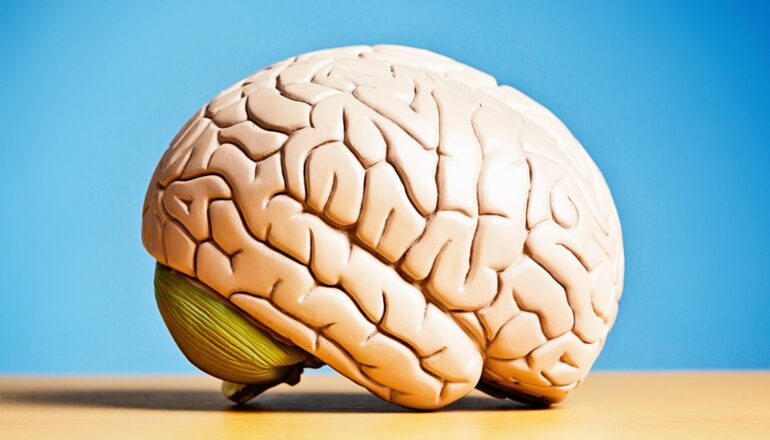
Imagine being able to feel the texture of an object, type a message, or maneuver a robotic arm simply by thinking about it. For individuals paralyzed by injury or disease, this once seemed like science fiction. However, groundbreaking research at the University of Chicago is turning it into a reality. Neuroscientist Nicholas Hatsopoulos is at the forefront of this innovation, translating the brain's thought processes into physical actions through cutting-edge technology.
By surgically implanting microelectrode arrays directly into the brain, Hatsopoulos and his team can decode the intricate neural patterns that occur when a person contemplates movement. This brain-machine interface (BMI) technology has already enabled paralyzed patients to control robotic limbs, grab objects, and even experience touch sensations through their thoughts.
To learn more about this transformative work, listen to Hatsopoulos' explanation in the latest episode of the Big Brains podcast, available on the Futurity website.
Written by urgent.news from Futurity's reporting — not their text. Machine-written — may contain errors; check the original before relying on it.