Libya power cuts push small businesses and weary citizens to brink
Power cuts have been a fact of life for years for Naseem Al-Akkari, who owns a chain of restaurants in Libya's capital, Tripoli.
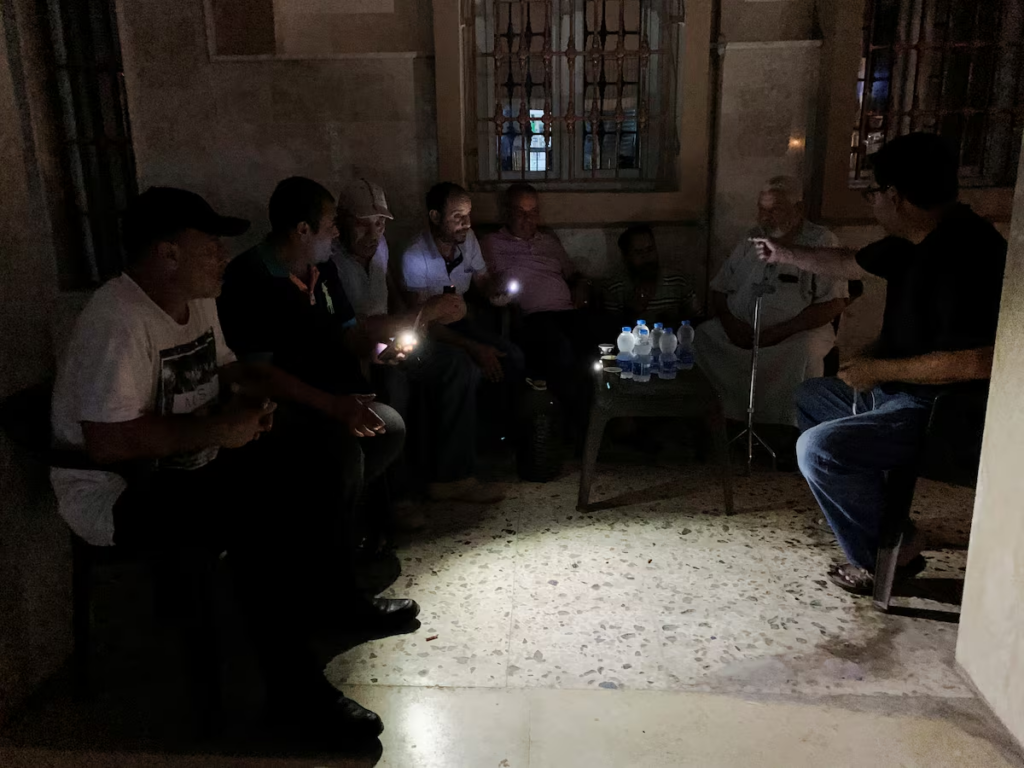
Naseem Al-Akkari, a restaurant owner in Tripoli, Libya, has been facing power outages for years. However, the recent heatwaves have turned these outages into a life-threatening situation for his business, costing him around $40,000 in just a few months. This crisis is a result of a combination of factors, including soaring temperatures, global energy disruptions, and domestic problems such as ageing infrastructure and rampant fuel smuggling.
Libya, a major oil producer, is struggling with acute electricity and fuel shortages, with petrol queues in the country's east and west stretching up to two kilometres. The black-market price of diesel has skyrocketed to 11 Libyan dinars per litre, nearly $1.70, compared to a subsidised price of 0.15 dinars. This has put severe financial strain on businesses like Akkari's, who are forced to use generators and purchase diesel from the black market.
Similarly, a pastry shop in the eastern city of Benghazi, run by Sufian Boushaala, had to lay off staff and occasionally close for entire days due to power cuts. The state-owned General Electricity Company of Libya (GECOL) was unable to provide water to areas like Qasr Bin Ghashir after declaring a blackout. U.N. Special Representative for Libya, Hanna Tetteh, described the outages as a "striking paradox" in a country that spends $1 billion a month on fuel imports.
The heatwaves exacerbated the situation by increasing the demand for air conditioning, straining power lines. Moreover, Libya's dependence on imported refined oil products, which end up being smuggled abroad, and the country's ageing infrastructure have further contributed to the crisis. The outages are emblematic of the broader problems facing Libya, with Tim Eaton of Britain’s Chatham House Think Tank stating that the Libyan people are paying a heavy price for the country’s political dysfunction and corruption.
Written by urgent.news from MyJoyOnline Ghana's reporting — not their text. Machine-written — may contain errors; check the original before relying on it.