Kevin Warsh just revealed a huge change for the Fed. The press missed it
Warsh is shaping up to run the Fed in a totally different way than it has been for decades.
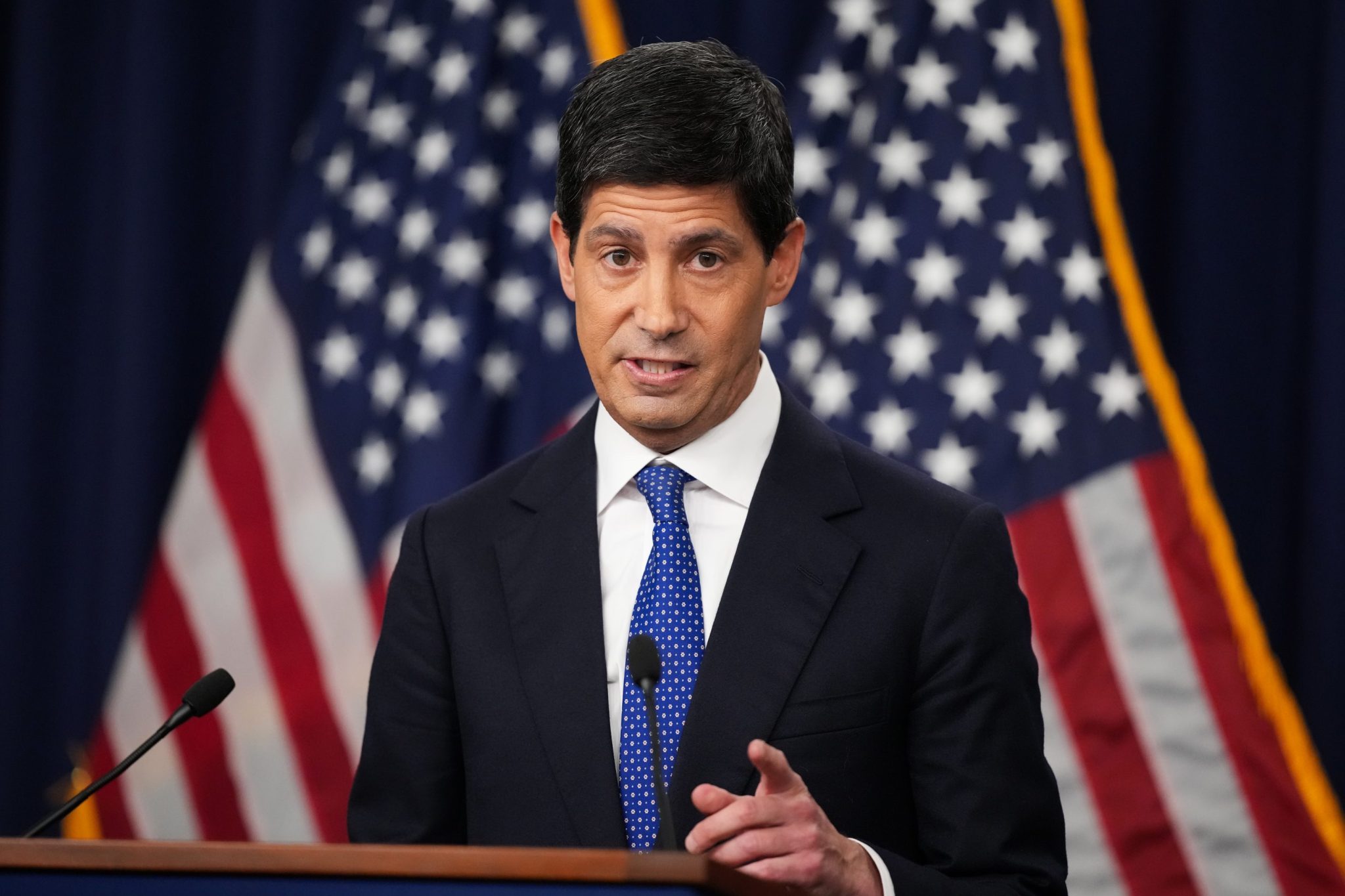
Federal Reserve Chair Kevin Warsh has announced a significant shift within the central bank, revealing himself as a monetarist. This marks a drastic change from the previous Chair Jerome Powell, who consistently dismissed monetarism as the foundation for understanding the economy. Monetarism, a doctrine that emphasizes the role of money in shaping asset prices, economic activity, and the price level, has been largely discredited in the academic world for several decades.
Yet, Warsh's own words suggest that he has embraced this perspective, signaling a potential paradigm shift at the Fed.
Monetarism posits that controlling the money supply is crucial for managing inflation, economic growth, and overall price levels. Its proponents argue that targeting the rate of money supply growth is the most effective way to meet monetary policy objectives. However, mainstream economists have largely ignored monetarism in their models, instead relying on Keynesian models that downplay the importance of money in economic dynamics.
Warsh's monetarist stance is evident in his recent statements at the Federal Open Market Committee (FOMC) press conferences and the Jackson Hole Symposium. He emphasized that individual price changes, such as those for energy and food, do not cause inflation but can have secondary effects on the overall price level. Warsh argued that the Fed's role is to ensure these relative price changes do not lead to broader inflationary pressures.
He also stated that the Fed does not focus on income distribution, acknowledging that lower-income households would likely benefit from stable prices, but asserting that aggregate indicators like labor market conditions and GDP are more relevant. Furthermore, Warsh highlighted the impracticality of short-term inflation forecasts, asserting that monetary policy decisions should be guided by long-term trends in inflation and money growth.
Written by urgent.news from Fortune's reporting — not their text. Machine-written — may contain errors; check the original before relying on it.