Japan’s nuclear revival hits setbacks after scandals and accidents
To curb a reliance on expensive imported fossil fuels, Japan has been pushing to resume reactors shut in the aftermath of the 2011 Fukushima disaster.
Japan's push to revive its nuclear power industry is encountering obstacles due to recent scandals and regulatory challenges that have delayed reactor restarts, according to BloombergNEF (BNEF). The energy consultancy expects only nine reactors with a combined capacity of 9.6 gigawatts to come back online by 2040, falling short of the previous target of 11 units.
This weaker outlook means Japan would be at least 11.7 gigawatts short of its 2040 goal of generating 35 gigawatts of electricity from nuclear power. The setback stems from Chubu Electric Power's withdrawal of applications to restart two units at its Hamaoka nuclear plant in Shizuoka Prefecture after accusations of fabricating seismic data.
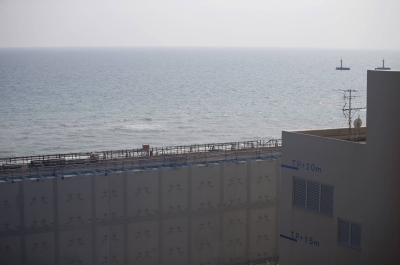
Additionally, Hokkaido Electric Power's attempt to restart a reactor at its Tomari nuclear plant has faced delays following a fatal accident during seawall construction and the rejection of proposed safety measures by regulators. BNEF has postponed the forecast for Tomari No. 3's restart by a year to 2028. Japan has been actively seeking to resume operations of reactors shut down after the 2011 Fukushima disaster to reduce its reliance on expensive imported fossil fuels.
However, these delays could keep power prices high and expose the country to volatile LNG and coal markets, especially as the demand for electricity is expected to surge due to the rise of artificial intelligence. Wood Mackenzie's director of integrated energy research, Robert Liew, predicts that Japan's data center power demand will double by 2030.
If nuclear power is not utilized, alternative sources of baseload power, such as more coal or LNG imports, may be necessary. Currently, Japan has only 15 of its 33 operable reactors online, with strict regulations and local opposition hindering progress. The delays in Hokkaido jeopardize the region's ambition to become a major data-center hub, as electricity demand in the area is projected to grow faster than any other part of Japan.
Japan's government aims to replace retiring reactors with new units by the 2050s and seeks about 20% of its power mix to come from nuclear energy by 2040, a significant increase from the current 9%.
Written by urgent.news from Japan Times's reporting — not their text. Machine-written — may contain errors; check the original before relying on it.