Japan’s busiest rail station tests robot bins
Shinjuku Station is a sprawling transport complex with multiple rail firms that serve more than 2.7 million passengers every day.
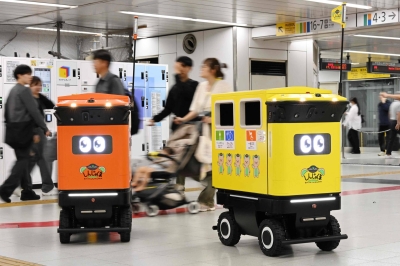
Shinjuku Station, home to the world's busiest railway, is testing mobile robotic bins in an effort to reduce the workload of sanitation workers, a rail operator representative announced on Friday. The bustling transport hub, which serves over 2.7 million daily passengers, holds the Guinness World Record for the world's busiest rail station.
In a portion of the station managed by East Japan Railway, workers manually empty bins over 10 times a day, though the number of waste receptacles has been reduced for hygiene and security reasons. JR East is piloting three automated bins, each standing just over one meter tall and moving at a cautious 20 centimeters per second.
Shinya Kawamichi, a JR East research official, stated that the goal of the trial project, running until late November, is to assess the effectiveness and safety of such robots in the station's bustling underground concourse, where they are intended to transport trash to human workers. The robots are designed to move slowly, allowing people to easily deposit their waste and to stop at any moment if necessary.
JR East also aims to determine if commuters find the robots acceptable and if they can navigate crowded spaces, paving the way for potential future applications of this technology. The curious, googly-eyed robots have already caught the attention of tourists, with many stopping to take photos. Some Japanese passengers, however, noted that stations tend to stay clean because passengers carry their trash home.
One university student remarked that it would be more convenient if they could simply dispose of their waste while walking through the station.
Written by urgent.news from Japan Times's reporting — not their text. Machine-written — may contain errors; check the original before relying on it.