Japan raises interest rate to new 31-year high to curb rising prices
Central banks around the world have hiked rates as high energy prices are pushing up inflation.

Japan's central bank, the Bank of Japan (BOJ), has hiked its main interest rate to a new 31-year high of 1.25%, marking a significant shift from decades of ultra-low borrowing costs. The rate increase, from 1% to 1.25%, was last seen in 1995 and comes as the country grapples with economic pressures. This move follows a series of hikes by major central banks worldwide, including the US Federal Reserve and the European Central Bank, in response to rising energy prices due to the Iran war.
The BOJ has been raising interest rates since 2024, having started at minus 0.1% and now targeting a level akin to other major economies. Japan faces several economic challenges, including a weak yen, rising prices, and a shrinking workforce. Recently published inflation figures showed a slight easing, with core inflation at 1.7% in August, still close to the bank's 2% target.
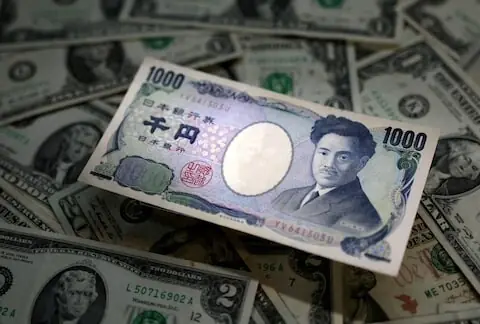
Although not high by international standards, rising prices are a new development in Japan's economy, which has experienced low inflation or deflation for around three decades. Global oil and gas prices have surged this year due to the Iran war, severely impacting Japan's energy imports. The country's currency has also been under pressure, with a joint intervention by Tokyo and Washington in August to halt the yen's 40-year low, a first since 2011.
Written by urgent.news from BBC Business's reporting — not their text. Machine-written — may contain errors; check the original before relying on it.
This story
This is one outlet's version. Read the fullest account.