Isabel Allende on Finding the Freedom to Write
This first appeared in Lit Hub’s Craft of Writing newsletter—sign up here. On January 8, 1981, I started writing a letter to my grandfather, who was dying in Chile. My original idea was to let him know that I remembered all the
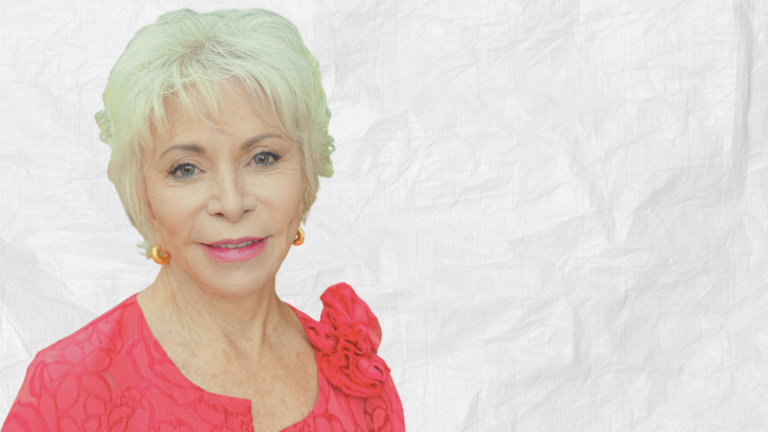
In 1981, Isabel Allende began her first book, The House of the Spirits, by writing a letter to her dying grandfather in Chile. Initially, she intended the letter to be a simple message of remembrance, but it grew into something more. Unfettered by expectations, she poured her thoughts onto the page, unaware that the letter would evolve into a full-fledged novel.
The tone of the letter took on the melodramatic flair of a soap opera, and Allende feared not the reactions of her grandfather, but the possibility of offending him by embellishing or altering his stories. Despite working long hours at school, Allende found solace in her writing. At home, she would sit in her kitchen, typing away into the night.
As she recalled events from her past, characters emerged, inspired by her relatives and people she had known. The saga of the Trueba-del Valle family unfolded organically, reflecting the tumultuous political climate of Chile and other Latin American countries. Allende's novel could have taken place anywhere in her continent, where repressive governments, military coups, and brutal crackdowns on leftist movements were common.
Over the course of the year, she produced over five hundred pages, protected like a newborn baby, carried with her at all times. One fateful day, she left her pages at a hair salon and panicked when they were thrown away. Despite the loss, Allende continued to write, fueled by an unquenchable enthusiasm. She considers her books to be living entities, destined to take on new lives with each reader.
Written by urgent.news from Literary Hub's reporting — not their text. Machine-written — may contain errors; check the original before relying on it.