Iran-konflikten: – Verre enn folk tror
Iran-konflikten eskalerer videre, og truer Saudi-Arabias eksport via Rødehavet.
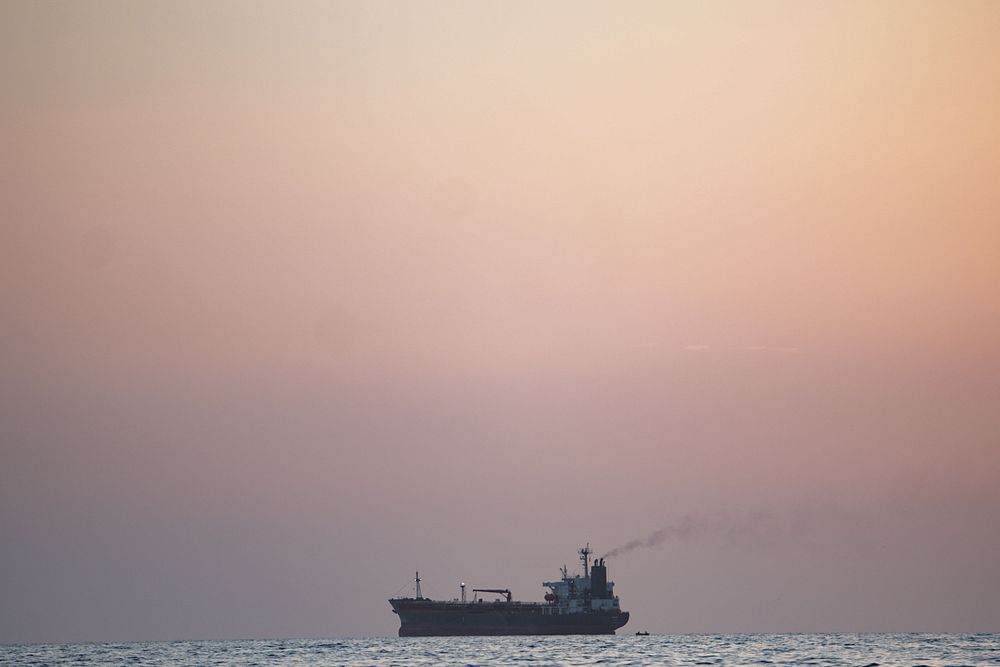
Saudi-Arabia has shut down a crucial east-west pipeline following an attack, diverting oil from Abqaiq east to Yanbu on the Red Sea. This reroutes the Hormuz Strait, where Iran's war has caused significant disruptions over the past half-year. If the pipeline remains closed, the world will miss out on millions of barrels of oil daily.
Global oil consumption is over 100 million barrels per day. Oil prices on the financial market reached over $109 per barrel this week, but eased slightly. Physical delivery prices, however, are well above this level. "We think this is worse than people realize," said Tom Erik Kristiansen of Pareto Securities. Saudi Arabia will repair the pipeline, perhaps within a few days, but Iran has shown it can execute such attacks, he said.
"This is infrastructure that spans thousands of kilometers, and it's vulnerable. We've seen a number of attacks back and forth in the Middle East, and this could easily escalate out of control," he added. The pipeline to Yanbu has a total capacity of seven million barrels per day. Last month, around two million barrels were shipped, and four million the month before, according to Kristiansen.
Closing the pipeline means shutting down nearly two times Norway's oil production in seconds. "Iran has shown it's willing to escalate the conflict and increase costs for the US and its allies, in terms of lost energy and higher prices," he said. The price of physical oil deliveries is much higher than the financial market sets, just as it was in previous periods of Iran conflict.
This demonstrates the drama of the situation, Kristiansen said. "We see now that the price of physical deliveries (Brent) is again 15-20 dollars above the financial market level. In the North Sea, you might see 10-20 dollars over that. We're not far from 150 dollars per barrel for physical deliveries," he said. This means those who truly need oil will take the situation much more seriously than they did a little while ago, Kristiansen said.
Pareto analyst Kristiansen does not rule out the possibility of short-term agreements ending the fighting within days and lowering energy prices temporarily. "Neither side is happy with a large war, but it looks complicated to find a lasting solution. It could take a while," he said. To bring oil prices down significantly, players must believe more oil will come onto the market, Kristiansen said.
What's exciting is whether China, the world's largest energy importer, starts buying again. They have drawn down a lot of their reserves, but the question is how long they will continue, he said. Rystad Energy reported earlier this week that between 2.6 million and four million barrels per day were shipped from Yanbu in September.
The average over the past week was around 2.6 million barrels, and these volumes could now be lost, Rystad noted in a memo earlier this week. Disruptions are pushing the market lower, with offers significantly below demand in the coming months, Rystad said. However, it will take about four weeks for this to become fully visible, as oil already in transit takes time to arrive.
"The outlook to $108 per barrel is a clear signal that the market is pricing in a significant drop in supply," said Janiv Shah, who works with commodity markets at Rystad Energy, in a note this week. The broader Middle East conflict has already put a premium on crude, and the loss of Saudi Arabia's east-west pipeline adds another significant restriction, he said.
Whether the supply cuts last for five to seven days as the repairs take place remains to be seen, Shah said. "If the disruptions continue beyond that, it could change quickly," he said. Without clearer signs of where replacement barrels will come from, prices could rise in the short term, Shah said. At the start of the war, many hoped for a swift solution before the US election in November.
In the summer and fall, many opened up to a longer conflict. "Many thought the election was so important for Trump that he would do anything to resolve it," Kristiansen said. Trump's plan was to reach a strong agreement. He believed Obama's Iran deal was the worst of its time, but is now in a position with worse negotiating cards than Obama had.
I think Trump has lowered his demands for what it takes to withdraw from the war. But it's a difficult negotiation situation. I think this could be a sticking point for Trump. He could be in a tough spot.
Written by urgent.news from E24 Norway's reporting — not their text. Machine-written — may contain errors; check the original before relying on it.