Investors react to BOJ raising interest rates to 31-year high
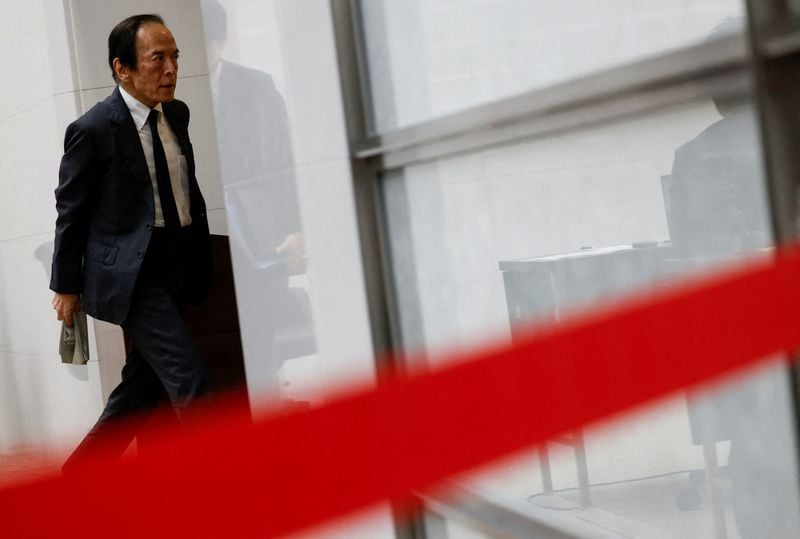
The Bank of Japan (BOJ) raised its policy rate to a 31-year peak of 1.25% on September 18, 2021, signaling a heightened stance to curb inflation risks. The decision came after a two-day policy meeting, with the board voting 7-2 to increase the rate from 1%. While the rate hike itself matched market forecasts, the presence of two dissenting votes was a surprise, as only a few participants had anticipated them.
The move has somewhat dampened expectations for additional rate hikes and conveyed a more dovish tone from the BOJ. The direction of future interest rate hikes is likely to hinge on the leadership's perceptions. Consequently, investors do not anticipate a substantial shift in the pace of rate increases from current expectations.
In the short term, the yen initially depreciated due to the decision. However, the market's focus shifted to Governor Ueda's upcoming inflation outlook and policy stance, which will be revealed during his press conference. Fred Neumann, HSBC's Chief Asia Economist, expressed lingering doubts that Japan's central bank would remain cautious in further tightening monetary policy. Moreover, the latest August inflation data revealed that price pressures remained steady, rather than accelerating, adding to the uncertainty.
The market is now keenly awaiting Governor Ueda's press conference, with investors looking for hawkish cues that the BOJ may raise rates again in the near future. While multiple consecutive rate hikes seem improbable, investors will scrutinize any indications of potential rate hikes in December. Given the Federal Reserve's more hawkish turn, pressure remains on the BOJ to keep the door open for another rate hike before the year's end.
Written by urgent.news from Investing.com's reporting — not their text. Machine-written — may contain errors; check the original before relying on it.
This story
This is one outlet's version. Read the fullest account.