Indonesian Parliamentary Committee Debates Changes to Fiscal Deficit Limit
Some lawmakers say that the current administration should have the right to a 3 percent ceiling in order to support its expansive economic agenda.
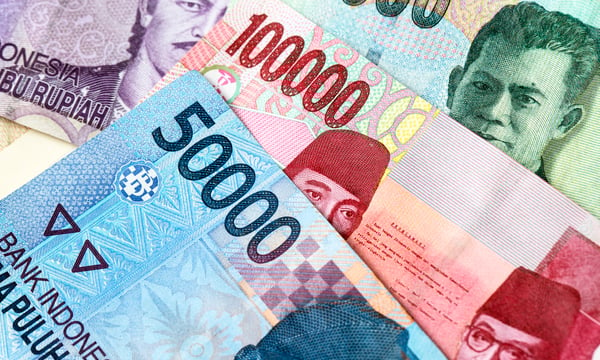
Indonesian lawmakers are currently discussing potential modifications to the country's fiscal deficit ceiling. During a public hearing in Jakarta, the House of Representatives' Commission XI deliberated on a range of revisions to the State Finance Law. This law, enacted following the 1997-1998 Asian financial crisis, imposes a maximum budget deficit of 3% of gross domestic product and restricts government debt to 60% of GDP.
Mukhamad Misbakhun, chairman of Commission XI, questioned whether the 3% deficit limit should be viewed as a rigid, annual constraint when the government requires additional fiscal space to promote economic growth. He proposed revising the law to outline specific circumstances under which a larger deficit could be permissible, such as during periods of weak tax revenue or increased state energy subsidies resulting from global energy price surges – a scenario Indonesia faced after the U.S.-Israel-Iran war.
Misbakhun, a member of President Prabowo Subianto's ruling coalition, emphasized the need to overcome the middle-income trap and elevate Indonesia to high-income status. He argued that expanding economic growth necessitates reducing reliance on the strict deficit limit.
Mohamad Hekal, deputy head of the committee and a Gerindra party member, also supported the idea of revisiting the budget deficit ceiling. Meanwhile, a deputy finance minister affirmed the government's commitment to maintaining the 3% ceiling despite the ongoing parliamentary debates. These discussions are likely to draw attention from institutional investors closely monitoring the situation.
The State Finance Law, passed in 2003, aimed to establish a robust public finance management system and promote good governance following the turmoil of the Asian financial crisis. However, its credibility has been questioned since Prabowo assumed office in October 2024, as he has reportedly considered raising the deficit and debt-to-GDP ratio limits to fund his ambitious policy initiatives.
These proposals, which include a multibillion-dollar free lunch program, defense modernization, and an 8% annual GDP growth target, have unsettled markets and contributed to ratings downgrades by Moody's and Fitch.
The potential weakening of Indonesia's fiscal discipline could have both positive and negative consequences. Greater fiscal flexibility might enable the government to finance essential programs more effectively, but it could also lead to increased government debt and negatively impact the absorption of government securities and corporate bonds. International rating agencies may downgrade Indonesia's credit rating, resulting in capital outflows, currency depreciation, and market instability.
Written by urgent.news from The Diplomat's reporting — not their text. Machine-written — may contain errors; check the original before relying on it.